
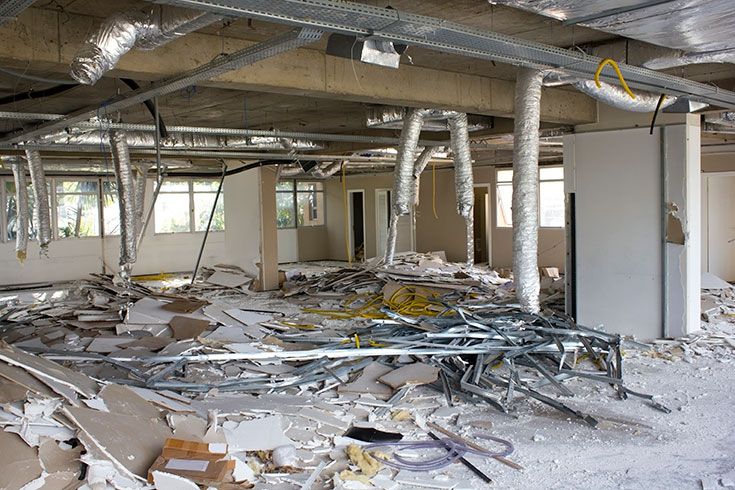

Interior demolition is an important step when planning a home renovation, office upgrade, or building improvement project. It involves removing selected parts of a building, such as walls, floors, ceilings, cabinets, and other unwanted materials. Before the work begins, proper preparation can make the process easier, safer, and more organized. Whether you are updating a kitchen, changing a bathroom layout, or preparing an entire property for renovation, knowing what to do beforehand can save time and prevent unnecessary problems.
Preparing for demolition is not only about moving furniture out of a room. It also involves checking the work area, understanding which materials need to be removed, and making sure important parts of the property remain protected. A little planning before the project starts can help workers complete their tasks without avoidable delays.
If you are planning Interior Demolition in Lawndale NC, understanding the preparation process can help you know what to expect. Every property is different, so the steps may depend on the size of the project, the condition of the building, and the materials involved. Here are some useful ways to get your property ready before demolition begins.
1. Decide Which Areas Need Demolition
The first step is to identify exactly which parts of the property need to be removed. Walk through the space and make a clear list of the areas included in the project. For example, you may want to remove old kitchen cabinets, bathroom tiles, damaged flooring, interior walls, or ceiling materials.
It is important to separate the items that need to go from those that should stay. This helps avoid confusion once the work begins. If only one room is being renovated, make sure the workers understand which nearby areas must remain untouched.
You should also discuss your renovation plans with the demolition contractor. They can help identify which materials can be removed and whether any parts of the building need special attention.
2. Remove Furniture and Personal Belongings
Before the demolition team arrives, remove furniture, decorations, electronics, clothing, and other personal items from the work area. Even when workers take care, dust and small pieces of debris can spread into nearby spaces.
If you cannot move everything out of the property, place important belongings in a separate room that will not be affected by the work. Cover any large items that must remain nearby with suitable protective sheets.
Remember to check inside cabinets, drawers, storage areas, and closets. Small personal belongings are easy to overlook when preparing a room. Removing them beforehand gives workers more space and reduces the chance of damage.
3. Check Electrical, Water, and Gas Connections
One of the most important preparation steps is checking the utility connections in the demolition area. Electrical wires, water pipes, gas lines, and heating systems may run behind walls, under floors, or above ceilings.
Before demolition begins, the relevant utilities should be identified and safely disconnected where necessary. Electrical work and gas disconnection should be handled by qualified professionals. Water supplies may also need to be shut off to prevent leaks or flooding during the project.
Never assume that a wall or floor is free from hidden services. A worker who starts removing materials without checking can accidentally damage an electrical cable or pipe. Proper inspection helps reduce these risks and keeps the work area safer.
4. Protect Areas That Will Remain
Not every part of a building needs to be removed during an interior demolition project. Some floors, walls, doors, windows, and fixtures may need to stay in place for the next stage of construction.
These areas should be protected before work starts. Heavy-duty coverings, temporary barriers, and dust protection can help prevent damage from falling materials and construction dust.
It is also useful to close doors between the work area and other rooms. If the project involves several parts of a building, discuss how workers will move between them without affecting finished or occupied spaces.
Why Choosing an Experienced Demolition Contractor Matters
Interior demolition requires more than simply breaking down walls and removing unwanted materials. Workers must understand building structures, hidden utility lines, material handling, and site safety.
Foothills Construction Grading & Demolition is a company that property owners in and around Lawndale can consider when planning demolition work. Its construction and demolition experience makes it relevant to projects where careful removal and proper site preparation are important. Choosing a contractor with suitable experience can help property owners understand the work involved and prepare for the next stage of construction.
5. Discuss the Project and Safety Requirements
Before the scheduled demolition date, speak with the contractor about the complete work plan. Ask which areas will be removed, what equipment will be used, and how workers will manage dust and debris.
You should also discuss access to the property. Workers may need clear paths to bring in tools, move materials, and remove waste. If the property has a narrow entrance, limited parking, or nearby occupied spaces, share these details before work begins.
Another important point is safety. Make sure the contractor understands the condition of the building and any known risks. Keep children, pets, and other people away from active demolition areas. Warning signs and temporary barriers can help prevent accidental entry.
6. Check for Asbestos and Other Hazardous Materials
Older buildings may contain materials that require special handling. Asbestos is one example. It may be present in certain older insulation products, floor tiles, ceiling materials, and other building components.
If the property was built several decades ago, consider having the relevant materials inspected before demolition. Do not break, cut, or remove suspected asbestos-containing materials yourself.
If asbestos is found, a qualified professional should assess the situation and arrange the required removal according to applicable regulations. Other materials, such as lead-based paint, may also need special care depending on the age and condition of the property.
This step is important because disturbing hazardous materials without proper precautions can create serious health risks.
7. Plan for Dust and Waste Removal
Demolition work creates waste, including wood, drywall, concrete, tiles, metal, and other building materials. Before work begins, discuss how these materials will be collected, separated, and removed from the property.
Some materials may be suitable for recycling, while others need to be disposed of according to local waste rules. Your contractor can explain the available options based on the type of debris.
Dust control should also be part of the plan. Plastic barriers, proper ventilation methods, and suitable cleaning equipment can help limit the spread of dust. However, the best approach depends on the building and the materials being removed.
8. Make a Plan for the Day of Demolition
Once everything is ready, confirm the demolition schedule with your contractor. Make sure everyone involved knows when the work will start and which parts of the property will be off-limits.
If you live or work inside the building, you may need to arrange temporary accommodation or use another area during the project. Noise, dust, equipment movement, and restricted access can make normal activities difficult.
It is also helpful to keep important contact details available. If any unexpected issue comes up, you should know who to contact and how decisions will be handled.
9. Inspect the Property After Demolition
After the removal work is complete, take time to review the area with the contractor. Check whether the agreed materials have been removed and whether the remaining parts of the building are in suitable condition for the next stage.
Look for visible damage, leftover debris, or areas that may need further cleaning. If the renovation involves new walls, flooring, electrical work, or plumbing, discuss what needs to happen before construction starts.
A final inspection also gives you an opportunity to ask questions about any unexpected findings during the demolition process.
Final Thoughts
Preparing for interior demolition services takes planning, but it does not have to be difficult. Start by deciding which areas need removal, clearing personal belongings, checking utility connections, and protecting the parts of the property that will remain. You should also discuss safety, hazardous materials, waste removal, and project timing with your contractor.
Every demolition project has different requirements, so preparation should match the property’s condition and the amount of work involved. Taking these steps before demolition begins can help reduce delays, protect important areas, and create a better starting point for your renovation or construction project.