
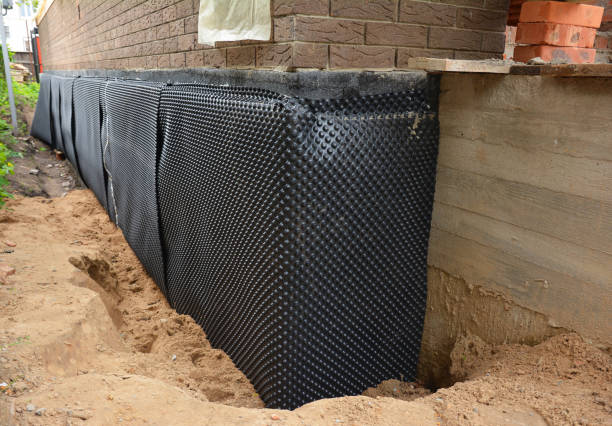

Why Exterior Wall Protection Matters
Exterior walls serve as a protective barrier between a building’s interior and outdoor conditions. Rain, snow, humidity, and changing temperatures can gradually affect masonry, concrete, siding, and other exterior materials. When water enters through cracks or damaged joints, it may cause staining, peeling paint, mold growth, and material deterioration. Maintaining a reliable exterior barrier helps preserve the building and reduces the risk of expensive moisture-related repairs.
Understanding the Benefits of Professional Waterproofing
Exterior wall waterproofing Bronx helps property owners address moisture entry points before water damage spreads into interior spaces. A suitable waterproofing approach can protect exterior surfaces, reduce water penetration, and help maintain the condition of the building envelope. The correct solution depends on the wall material, the source of moisture, and the extent of existing damage. A proper assessment is important because simply covering visible stains may not resolve the underlying problem.
Recognizing Signs of Water Penetration
Water infiltration can appear in several ways, and early warning signs should not be ignored. Dark patches, bubbling paint, peeling coatings, white mineral deposits, and damp interior walls may indicate moisture movement through the building envelope. Crumbling mortar, deteriorated sealant, and cracks around windows can also create entry points. Although some signs may seem minor, continued exposure can gradually weaken exterior materials and affect indoor comfort.
Identifying Common Sources of Exterior Moisture
Moisture problems may develop because of damaged masonry, deteriorated mortar joints, poorly sealed openings, or failing exterior coatings. Roof edges, balconies, window frames, and wall penetrations can also allow water to enter when their protective details are compromised. Drainage issues near the building may contribute to persistent dampness, particularly when water collects against foundation walls. Identifying the actual source helps determine which repairs will provide lasting protection.
Inspecting Walls Before Selecting a Solution
A thorough inspection is an important first step in planning waterproofing work. The condition of the wall surface, joints, cracks, sealants, and surrounding drainage should be evaluated before materials are selected. Different construction types require different methods, so a treatment suitable for concrete may not be appropriate for every masonry or brick surface. An inspection also helps determine whether repairs, surface preparation, or more extensive restoration should come first.
Choosing Suitable Waterproofing Materials
Waterproofing products are designed for different surfaces and conditions. Some coatings create a protective layer over exterior walls, while penetrating treatments work within suitable porous materials. Flexible sealants may be used around joints and openings where movement can occur. Masonry repairs may require compatible mortar or specialized products. Selecting materials that match the existing wall construction is essential because incompatible treatments can trap moisture or fail prematurely.
The Importance of Proper Surface Preparation
Before waterproofing materials are applied, the exterior surface must be prepared appropriately. Loose paint, dirt, deteriorated coatings, and damaged material may need to be removed. Cracks and open joints should be assessed and repaired using suitable products. Surfaces may also need to dry before application, depending on the manufacturer’s requirements. Skipping preparation can reduce adhesion and compromise the effectiveness of the protective system.
Working With an Experienced Construction Professional
Hiring a qualified General contractor Bronx can help property owners coordinate waterproofing and related exterior repairs. A contractor can evaluate the visible condition of the building, identify work that needs attention, and organize the necessary repair process. When several areas are affected, proper coordination helps ensure that damaged masonry, exterior openings, sealants, and drainage concerns are addressed together rather than treated as unrelated problems.
Repairing Cracks and Damaged Masonry
Cracks in exterior walls can provide direct pathways for water. Their size, location, and pattern should be examined before repairs begin because different cracks may have different causes. Minor surface cracks may require suitable repair compounds, while larger or recurring cracks may need further professional evaluation. Damaged mortar joints can also allow water to enter brick walls. Repointing deteriorated joints with compatible mortar helps restore the protective function of masonry.
Protecting Windows, Doors, and Wall Openings
The areas around windows and doors deserve special attention because they involve transitions between different building materials. Failed caulking, damaged flashing, and poorly sealed frames can allow rainwater to penetrate behind exterior surfaces. Replacing deteriorated sealants and correcting installation-related problems can improve protection. Waterproofing work should account for these details rather than focusing only on large, flat wall sections.
Understanding the Role of Drainage
Effective waterproofing involves managing water around the entire building, not just applying a coating to exterior walls. Gutters and downspouts should direct rainwater away from the structure, while grading should help prevent water from collecting near foundation areas. Blocked drainage systems or poorly positioned discharge points can contribute to recurring moisture problems. Correcting these conditions supports exterior repairs and helps reduce unnecessary exposure to water.
Maintaining Waterproofed Exterior Walls
Even professionally treated walls require periodic attention. Property owners should inspect exterior surfaces for new cracks, peeling coatings, deteriorated sealants, and signs of recurring moisture. Gutters and drainage components should remain clear, and damaged areas should be repaired before they become larger problems. Regular maintenance helps identify changes early and gives property owners an opportunity to address minor defects before they affect larger sections of the building.
Protecting Your Property for the Long Term
Exterior waterproofing is an important part of maintaining a building’s condition, appearance, and durability. Understanding the source of moisture, selecting compatible materials, preparing surfaces correctly, and addressing related construction issues all contribute to effective protection. With a careful inspection and a coordinated repair approach, property owners can reduce water intrusion risks and help preserve their exterior walls for years to come.

