
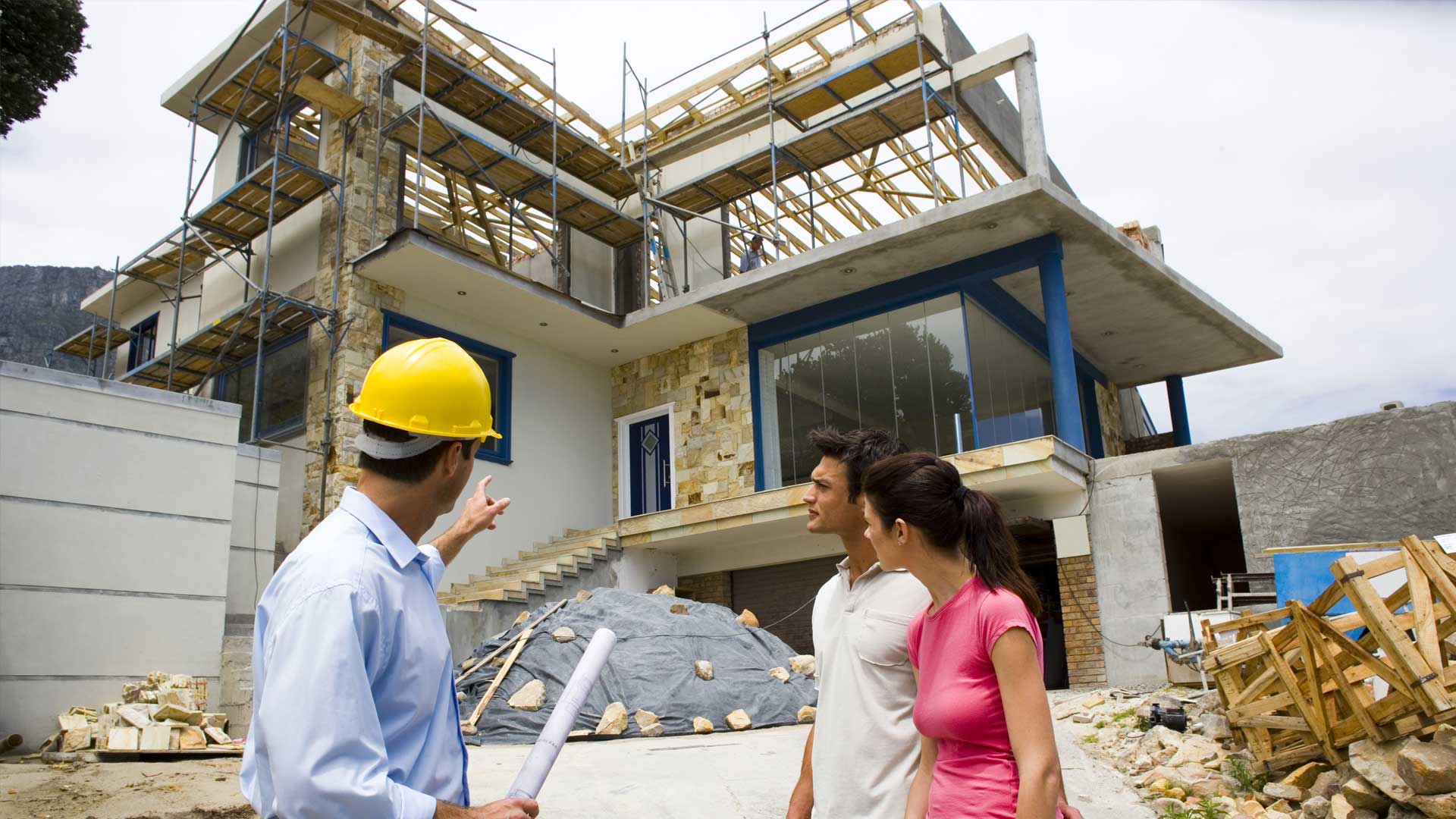

Understanding the Purpose of a New Construction Inspection
Building a new home is an important investment, and buyers naturally expect the finished property to meet appropriate quality and safety standards. However, even newly constructed houses can contain incomplete work, installation mistakes, or defects that are not immediately visible. An independent inspection provides an opportunity to evaluate important areas of the home, identify concerns, and understand whether additional work may be needed before moving forward.
Evaluating a Newly Built Property
A Residential New Construction Inspection in Rochester NY gives homeowners an independent assessment of the property’s visible condition and major building components. Although builders typically conduct their own quality checks, an additional evaluation can provide another perspective. The inspection may cover structural elements, roofing, exterior surfaces, plumbing, electrical systems, heating and cooling equipment, and interior finishes. Identifying concerns before final acceptance can make it easier to request corrections.
Why New Homes Still Need Inspections
New construction does not automatically guarantee that every component has been installed correctly. Construction projects involve multiple contractors, materials, schedules, and stages of work. Miscommunication or rushed tasks can result in missing details, improper connections, or unfinished areas. Even small oversights may become inconvenient or expensive if they remain undiscovered. An independent review helps buyers understand the condition of the property rather than relying entirely on its new appearance.
Inspecting the Foundation and Structural Components
The foundation supports the entire home, making it one of the most important areas to evaluate. An inspector may look for visible cracks, uneven surfaces, signs of moisture intrusion, and other conditions that could indicate a concern. Walls, floors, ceilings, and accessible framing components may also receive attention. While a standard inspection is not an engineering assessment, it can identify visible conditions that may require further evaluation by a qualified specialist.
Reviewing Roofing and Exterior Construction
Roofing and exterior components help protect a house from rain, wind, and other environmental exposure. An inspection may include visible roof coverings, flashing, gutters, drainage arrangements, siding, exterior doors, and windows. Poor installation or incomplete sealing can contribute to leaks and moisture damage over time. Reviewing these areas before accepting the property helps homeowners identify concerns that might otherwise remain unnoticed until after occupancy.
Checking Plumbing and Electrical Systems
Plumbing and electrical systems are essential to everyday household operation. Inspectors may examine accessible pipes, fixtures, drainage, outlets, switches, electrical panels, and other visible components. They look for signs of improper installation, leakage, exposed wiring, or other observable concerns. Specialized testing may be needed for certain systems, but a general inspection can help identify problems that should be addressed before the home is considered ready for occupancy.
Understanding the Value of Professional Experience
Working with Certified Inspectors can help buyers receive a structured evaluation based on established inspection practices and professional training. An experienced inspector understands how different building components work together and where common construction issues may occur. They can explain visible defects, distinguish maintenance recommendations from more significant concerns, and identify situations that may require additional assessment. This guidance helps homeowners make decisions based on clearer information.
Examining Heating, Cooling, and Ventilation
Heating and cooling equipment should be evaluated to determine whether accessible components appear properly installed and operate as intended during the inspection. Inspectors may review thermostats, visible ductwork, air filters, ventilation openings, and equipment conditions. They may also look for signs of restricted airflow or unusual operation. Proper ventilation is important because it supports indoor comfort and helps manage moisture, while heating and cooling systems contribute to consistent indoor temperatures.
Checking Interior Finishes and Fixtures
Interior details deserve attention because unfinished or poorly installed work can affect both appearance and functionality. Inspectors may examine flooring, wall surfaces, ceilings, doors, cabinets, countertops, stairs, and visible fixtures. They may identify loose hardware, damaged finishes, uneven surfaces, or doors that do not operate properly. Although some cosmetic imperfections are minor, documenting them before final acceptance can help homeowners discuss corrections with the builder.
Understanding Construction Inspection Stages
New construction inspections can be useful at different points during a building project. A pre-drywall inspection may identify concerns while framing, wiring, plumbing, and other components remain accessible. A final inspection takes place closer to completion and reviews the finished home’s visible condition. Some buyers may also arrange a warranty inspection before the builder’s coverage period ends. The appropriate timing depends on the construction schedule and the buyer’s needs.
Reviewing the Inspection Report
After the evaluation, homeowners should receive a report explaining the observed conditions and identifying areas that may need attention. Photographs and written descriptions can make findings easier to understand and discuss with the builder. Buyers should review the report carefully, ask questions about unclear observations, and prioritize significant concerns. If a finding requires specialized knowledge, the inspector may recommend consulting an appropriate contractor, engineer, or other qualified professional.
Communicating Findings With the Builder
An inspection report can support productive communication between buyers and builders. Homeowners can share documented observations, ask for clarification, and request corrections where appropriate. It is helpful to keep written records of agreed repairs and confirm that important work has been completed. Addressing concerns before final acceptance may reduce disagreements later and provide a clearer record of the property’s condition at the time of inspection.
Making a Confident Decision Before Moving In
A new home should provide a comfortable and dependable place to live, but reaching that point requires attention to construction quality. An independent inspection helps buyers understand visible conditions, identify incomplete work, and discuss necessary corrections before moving forward. By arranging an evaluation at the appropriate stage and reviewing the findings carefully, homeowners can approach the final steps of purchasing or accepting their newly built property with greater confidence.