
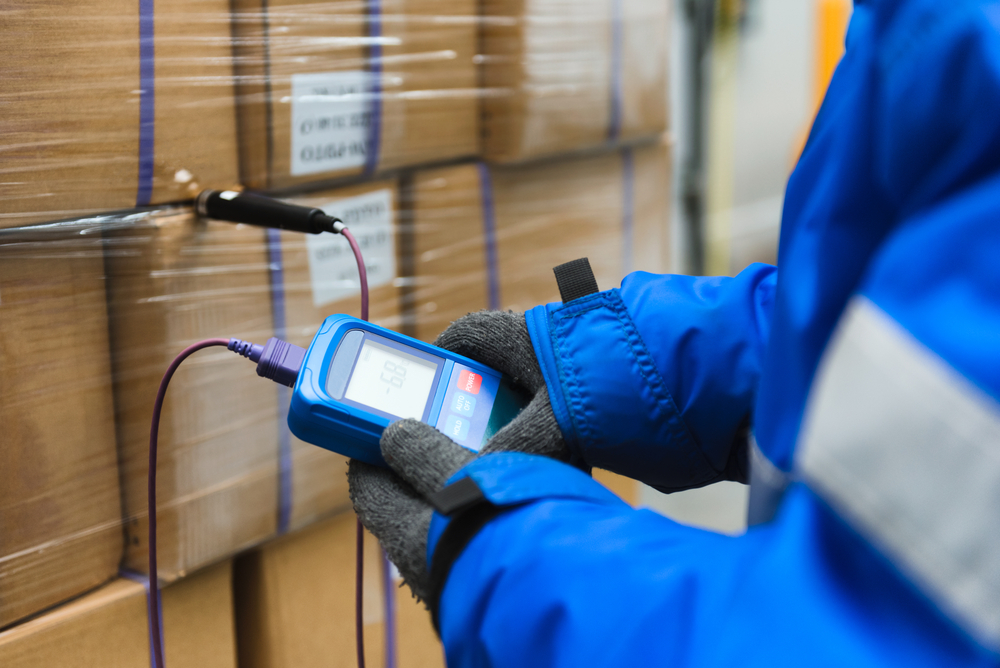

Some products simply can’t handle regular shipping conditions. Food items, pharmaceuticals, chemicals, and certain other goods need to stay within a specific temperature range throughout their journey, or they risk spoiling, losing effectiveness, or becoming unsafe to use. This is where temperature-controlled freight shipping comes in.
This article explains what temperature-controlled shipping means, how it works, and what businesses need to know if their products require this kind of specialized handling.
What Is Temperature-Controlled Freight Shipping?
Temperature-controlled freight shipping, sometimes called cold chain logistics, refers to transporting goods that need to be kept within a specific temperature range from the point of origin all the way to their final destination. This applies to both refrigerated goods that need to stay cool, as well as items that need to be kept warm or protected from extreme heat.
Unlike standard shipping, where temperature isn’t a major concern, temperature-controlled shipments require specialized equipment and careful planning at every stage of the journey to make sure the required conditions are maintained consistently.
What Types of Goods Require Temperature-Controlled Shipping?
A wide range of products depend on temperature-controlled shipping to remain safe and effective. Common examples include:
- Fresh produce, meat, and dairy products
- Frozen foods
- Pharmaceuticals and vaccines
- Certain chemicals and industrial materials
- Flowers and plants
- Some cosmetics and beauty products
- Wine and other beverages sensitive to temperature changes
Each of these product categories has its own specific temperature requirements, and even small deviations can affect quality, safety, or effectiveness.
Key Components of Temperature-Controlled Shipping
Successfully shipping temperature sensitive goods requires several specialized components working together throughout the journey.
Refrigerated Containers
Also known as reefer containers, these are specially designed shipping containers equipped with their own cooling or heating systems. They maintain a consistent internal temperature regardless of outside weather conditions, making them essential for sea freight shipments of temperature sensitive goods.
Temperature-Controlled Trucks
For road transport, specialized trucks equipped with refrigeration units keep goods at the required temperature during local or regional deliveries. These trucks are commonly used for the final leg of a journey, moving goods from a port or warehouse to their final destination.
Cold Storage Warehouses
Temperature sensitive goods often need to be stored in cold storage facilities before or after transport. These warehouses maintain specific temperature zones depending on the type of product being stored, whether that’s a standard refrigerated zone or a deep freeze area for frozen goods.
Monitoring Systems
Modern temperature-controlled shipping often includes monitoring devices that track temperature throughout the journey. These systems can alert logistics providers if temperatures move outside the acceptable range, allowing for quick action to address the issue before the goods are damaged.
Insulated Packaging
In addition to refrigerated containers and trucks, many temperature sensitive shipments also use specialized insulated packaging to provide an extra layer of protection, particularly for smaller shipments or products that are especially sensitive to temperature fluctuations.
How Temperature-Controlled Shipping Works Step by Step
Let’s look at how a typical temperature-controlled shipment moves from origin to destination.
1. Preparing the Goods
Before shipping, goods need to be properly prepared, which often includes pre-cooling or pre-heating products to the required temperature before they’re even loaded for transport. This helps maintain consistent conditions from the very start of the journey.
2. Loading into Temperature-Controlled Equipment
Goods are loaded into refrigerated containers or trucks that have already been set to the appropriate temperature. Proper loading technique matters here too, since overpacking or blocking airflow within the container can lead to uneven temperatures throughout the shipment.
3. Continuous Temperature Monitoring
Throughout transport, temperature is monitored continuously using sensors placed within the container or truck. This data is often tracked in real time, allowing logistics providers to catch any issues early.
4. Transfer Points and Handling
If the shipment needs to switch between different modes of transport, such as moving from a ship to a truck, careful coordination is needed to minimize the time goods spend outside of temperature-controlled conditions during the transfer.
5. Customs Clearance
Temperature sensitive shipments still need to go through standard customs clearance procedures, but this process needs to move quickly to avoid extended periods where goods might be exposed to less controlled conditions while waiting for approval.
6. Final Delivery
Once cleared, goods are transported to their final destination using temperature-controlled trucks, ensuring that the required conditions are maintained right up until delivery.
Challenges in Temperature-Controlled Shipping
While this type of shipping offers important protection for sensitive goods, it comes with its own set of challenges.
Higher Costs
Temperature-controlled shipping generally costs more than standard freight due to the specialized equipment, monitoring systems, and extra care required throughout the process.
Strict Timing Requirements
Since many temperature sensitive goods have limited shelf lives, timing becomes especially important. Delays that might be minor inconvenience for standard cargo can lead to significant losses for perishable goods.
Equipment Reliability
Refrigeration equipment needs to function properly throughout the entire journey. Equipment failure, even for a short period, can compromise the quality or safety of the goods being shipped.
Coordination Across Multiple Parties
Temperature-controlled shipments often involve coordination between multiple companies, including shipping lines, trucking companies, and warehouse operators. Everyone involved needs to understand and follow the specific temperature requirements for the shipment.
Regulatory Compliance
Certain products, particularly pharmaceuticals and food items, are subject to strict regulations regarding storage and transport conditions. Meeting these requirements adds another layer of complexity to the shipping process.
Best Practices for Temperature-Controlled Shipping
Businesses shipping temperature sensitive goods can take a few steps to improve their chances of a successful shipment.
Choose Experienced Providers
Working with a logistics provider experienced in cold chain shipping helps ensure proper handling at every stage, from initial pickup to final delivery.
Plan for Contingencies
Having backup plans in place, such as alternative routes or additional cooling equipment, helps address unexpected issues without compromising the shipment.
Use Reliable Monitoring Tools
Investing in quality temperature monitoring devices provides visibility throughout the journey, allowing for quick responses if conditions start to shift outside the acceptable range.
Communicate Clear Requirements
Make sure every party involved in the shipment understands the specific temperature requirements for your goods, along with any special handling instructions needed to maintain those conditions.
Test Packaging and Equipment
Before committing to a shipping method, testing packaging and equipment under real world conditions can help identify potential issues before they affect an actual shipment.
Who Needs Temperature-Controlled Shipping?
This type of shipping is essential for businesses in industries such as:
- Food and beverage companies exporting or importing perishable products
- Pharmaceutical companies shipping medications or vaccines
- Agricultural businesses moving fresh produce or flowers
- Chemical companies transporting temperature sensitive materials
- Cosmetic companies shipping products affected by heat or cold
Final Thoughts
Temperature-controlled freight shipping plays a critical role in protecting sensitive goods throughout their journey, from refrigerated containers and specialized trucks to continuous monitoring systems that track conditions along the way. While this type of shipping comes with added costs and complexity compared to standard freight, it’s a necessary investment for businesses dealing with perishable or sensitive products.
Companies like Noble Line Logistics LLC provide temperature-controlled shipping solutions that help businesses move sensitive goods safely, maintaining the right conditions from pickup through final delivery.
If your business ships products that require specific temperature conditions, working with an experienced logistics provider can help protect your goods and give you confidence that they’ll arrive in the right condition, no matter how far they need to travel.