
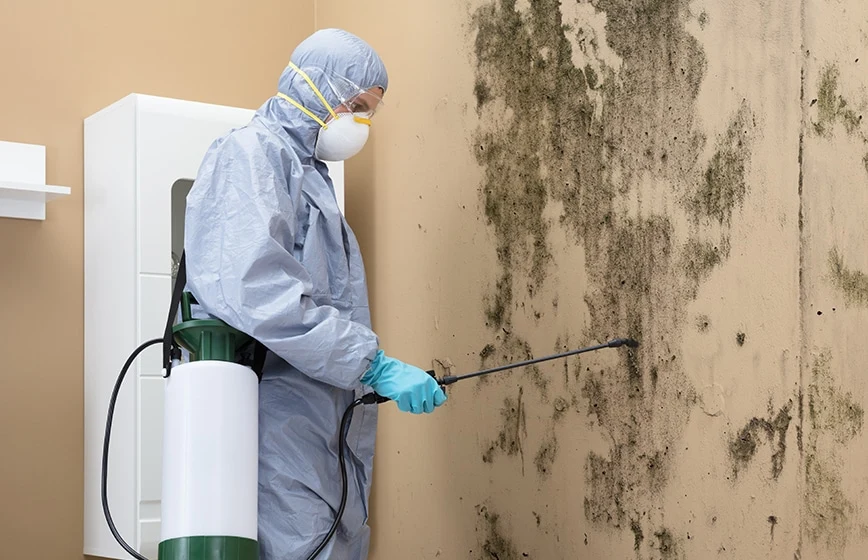

When mold appears in a home, the instinct for many homeowners is to grab a cleaning product and address it themselves. While that approach may be appropriate for a very small and clearly defined patch on a hard nonporous surface, most mold situations that develop beyond the early stage require a level of expertise, equipment, and protocol that goes well beyond what a household cleaning effort can achieve. Trusted mold removal services operate through a structured, systematic process that addresses not just the visible growth but the full scope of contamination, the moisture source driving it, and the verification that the work has been completed to a standard that protects the health of everyone in the property.
This guide explains in detail what that process looks like from start to finish, why each stage matters, what sets professional work apart from surface-level treatment, and how to recognize whether the service you are considering is genuinely equipped to handle your situation effectively.
Why Mold Requires a Structured Professional Response
Mold is not a single organism. It is a broad category of fungi that encompasses thousands of species with different growth characteristics, different surface requirements, and different health implications. What all mold species share is a reliance on moisture and organic material to grow. In a residential environment those conditions exist in abundance within the building materials that make up the structure of the home.
The challenge that makes mold genuinely difficult to eliminate without professional methods is its growth pattern. Mold does not simply sit on top of a surface. It sends filaments called hyphae into porous materials, penetrating below the visible surface layer to anchor itself and draw nutrients from deep within the material. This means that wiping or scrubbing the surface removes the visible portion of the colony while leaving a substantial portion of the organism intact within the material, where it continues to grow and regenerates what was cleaned away within a short period.
Professional mold removal accounts for this growth pattern by addressing the full depth of contamination in each affected material, not just the surface expression. It also operates within containment protocols that prevent the disturbance of mold from sending spores into unaffected areas of the home during the cleaning and removal process, which is one of the most common ways that amateur cleanup efforts expand a mold problem rather than resolving it.
The Initial Assessment: Understanding What You Are Dealing With
No professional mold removal process begins with cleaning. It begins with a thorough assessment of the property to establish the full extent of the contamination, identify the moisture source driving the growth, and determine which building materials are affected and to what degree.
This assessment uses specialized tools that reveal what visual inspection alone cannot. Moisture meters measure the water content of building materials at and below the surface level. A wall section that appears completely dry on its painted surface can register significantly elevated moisture readings within the drywall or framing behind it, indicating that mold growing conditions are present even when nothing visible has appeared yet.
Thermal imaging cameras map temperature variations across surfaces. Moisture within a wall cavity holds temperature differently than the surrounding dry material and this difference shows as a distinct zone in a thermal image. This allows inspectors to identify areas of moisture accumulation behind drywall, beneath flooring, and within ceiling assemblies without requiring any physical access to those spaces.
Air sampling collects particles from the interior air and sends them to an accredited laboratory for analysis. The results quantify the concentration and species composition of mold spores in the indoor environment compared to an outdoor baseline sample collected at the same time. Significantly elevated indoor spore counts confirm active mold growth somewhere in the property and help direct the investigation toward the source.
This level of diagnostic rigor is what separates a professional assessment from a visual walkthrough. It produces an accurate picture of the property’s actual condition rather than an estimate based on what is visible from the surface. Everything that follows in the remediation process is built on the accuracy of this foundation. Our guide on the top five signs you need a professional mold inspection covers the indicators that mean a professional assessment should be your immediate next step.
Containment: Protecting the Rest of the Property During Removal
Once the scope of the contamination has been established, the next stage before any actual removal begins is the establishment of physical containment around the affected area. This is a critical step that is absent from most DIY mold cleanup attempts and its absence is a primary reason why amateur efforts often spread contamination while attempting to address it.
Containment involves sealing off the work area from the rest of the home using polyethylene sheeting secured over doorways, stairwells, and any openings between the affected area and adjacent spaces. HVAC vents within the work zone are sealed to prevent spores from entering the duct system and being distributed throughout the rest of the home during the removal process.
Negative air pressure is established within the containment zone using air scrubbers equipped with HEPA filtration. These machines draw air from the contained space through filters and exhaust the cleaned air outside. The result is that any spores disturbed during mold removal are drawn toward the filtration equipment rather than outward into the rest of the home. This creates a directional airflow that consistently moves contaminated air away from clean areas rather than into them.
Workers operating within the containment zone wear full personal protective equipment including N95 or higher rated respirators, disposable coveralls, gloves, and eye protection. This protects the workers and also prevents spores from being carried out of the containment zone on clothing or skin when personnel move in and out.
This level of containment investment reflects a professional understanding of how mold spreads and a commitment to not making the problem worse in the process of addressing it. For properties where mold has been discovered in one area and the rest of the home appears unaffected, proper containment is what ensures that the rest of the home stays unaffected through the remediation process.
The Mold Removal Process: What Actually Happens
With containment established and assessment data in hand, the actual mold removal process begins. The specific methods used depend on what materials are affected, the extent of contamination, and the species identified during testing. However the fundamental principles of professional mold removal remain consistent regardless of these variables.
HEPA vacuuming is one of the first active steps in the removal process. All surfaces within the containment zone, including walls, floors, ceilings, and any contents that will remain in the space, are vacuumed using HEPA-filtered equipment. Standard vacuum cleaners are not suitable for this purpose because their filtration systems allow mold spores to pass through and be exhausted back into the air. HEPA filters capture particles down to 0.3 microns, which is well within the size range of mold spores, ensuring that what is vacuumed up stays captured.
Physical removal of contaminated porous materials is a defining characteristic of effective mold remediation. Drywall, insulation, ceiling tiles, carpet, and similar materials that have been colonized by mold cannot be reliably cleaned to a safe standard because the mold has penetrated into the body of the material. Professional remediation removes these materials physically, cutting back to unaffected sections and disposing of the contaminated material in sealed bags that are removed from the property without being transported through unaffected areas.
The decision about how far to cut back contaminated material is guided by the moisture meter and thermal imaging data from the initial assessment. Any section of material showing elevated moisture content or evidence of contamination is included in the removal, even if it does not show visible surface growth. This data-driven approach prevents the common outcome where visible mold is removed but adjacent wet material that has not yet produced visible growth is left in place and restarts the problem.
Antimicrobial treatment of structural surfaces follows material removal. Exposed framing lumber, concrete, masonry, and any structural components that remain after contaminated materials are removed receive treatment with commercial grade antimicrobial solutions applied by trained technicians. These products are formulated specifically for mold remediation applications and penetrate into the surface of the treated material at a depth that household cleaning products do not reach.
Encapsulants may be applied to certain structural surfaces following antimicrobial treatment. These products seal the treated surface and create a barrier that inhibits future fungal growth. They are particularly useful on wood framing where complete surface cleaning may not be achievable and where the material cannot be replaced without structural disruption.
Continued air scrubbing runs throughout the entire removal and treatment process. The air scrubbing equipment maintains the negative pressure environment and continuously filters airborne spores for the full duration of the project. This is not a stage that is completed and then switched off. It operates continuously from the establishment of containment through to the final stages of cleanup.
Addressing Mold and Water Damage Repair Together
Mold removal that does not address the moisture source driving the growth produces a temporary result at best. The mold is eliminated from the current location but the conditions that allowed it to establish remain fully in place. Within weeks to months the same moisture source creates the same conditions and new mold growth begins in the treated area or in adjacent materials.
This is why professional mold and water damage repair must be addressed as a combined problem rather than two separate issues handled independently. The moisture source must be identified, assessed for the full extent of the damage it has created, and repaired as part of the remediation process. This may involve plumbing repairs, roof repairs, foundation waterproofing, drainage corrections, or ventilation improvements depending on what the assessment reveals as the source.
Water-damaged building materials that are present in the property beyond the zone of visible mold growth are also relevant to the remediation process. Materials that are wet but have not yet developed visible mold growth are at active risk of doing so. Addressing these materials as part of the overall response, through professional drying with industrial equipment where possible and removal where necessary, prevents secondary mold development in the weeks following the primary remediation.
For anyone who needs immediate guidance on how to begin managing a water intrusion situation while professional help is being arranged, our guide on how to fix water damage quickly outlines the critical first steps for limiting the spread of moisture damage before professional assessment and treatment begins. Getting proper water damage help promptly after any water intrusion event is one of the most effective ways to prevent mold from establishing in the first place. Our water damage restoration services are designed to address both the immediate effects of water intrusion and the conditions that make mold growth likely in the aftermath.
Post-Remediation Verification: Confirming the Work Was Successful
A professional mold remediation process does not end when the cleaning and removal work is complete. It ends when independent verification confirms that the work achieved the intended result. Post-remediation verification is the stage that separates a completed professional project from a completed task with unknown outcomes.
Verification involves collecting new air samples and surface samples from the previously affected area and comparing the results to the pre-remediation baseline data and to the outdoor control samples. Laboratory analysis of these samples confirms whether spore concentrations within the previously affected space have returned to levels that are comparable to or lower than the outdoor baseline. This comparison is the objective standard against which remediation success is measured.
If post-remediation sampling results show that spore concentrations remain elevated or that the species composition within the space has not returned to a normal range the remediation is not considered complete. Additional work is performed to address whatever gap in the process resulted in residual contamination before the containment is removed and the space is cleared.
This verification step provides homeowners with documentation that the remediation was successful. This documentation is valuable for insurance purposes, for real estate transactions, and as a personal record that the health risk posed by the mold in the property has been genuinely resolved rather than simply addressed cosmetically. Our guide on what to do after mold remediation to keep your home mold free provides practical guidance on maintaining the conditions that keep a successfully remediated property from developing new mold problems.
How to Evaluate Whether a Mold Removal Company Is Genuinely Qualified
Not every company that offers mold services operates with the standards described in this guide. Knowing what to look for when selecting a provider helps ensure that the work is done to a standard that actually protects your home and your family.
Certification and training are the starting point. Certified mold remediation technicians have completed training programs that cover assessment protocols, containment methods, removal techniques, and safety standards. Reputable certifying organizations in the mold remediation industry include the Institute of Inspection Cleaning and Restoration Certification and the American Council for Accredited Certification. A company employing certified technicians has made a commitment to professional standards that uncertified operators have not.
A written scope of work provided before any work begins demonstrates that the company is operating from a structured plan based on their assessment findings rather than improvising. The scope should identify the affected areas, the materials to be removed, the methods to be used, the containment approach, and the post-remediation verification plan. Reviewing this document gives you the ability to understand what you are paying for and to confirm that the plan aligns with professional standards.
Post-remediation testing offered as a standard part of the service rather than an optional add-on indicates that the company is committed to verifiable outcomes. A provider that does not include post-remediation testing is asking you to accept their assessment of completion rather than providing objective laboratory confirmation.
Clear explanation of the moisture source is another indicator of professional practice. Any company that proposes to begin mold removal without having identified and communicated a plan for addressing the moisture source is setting up a temporary result rather than a lasting resolution.
References and documented previous work provide direct evidence of the company’s track record. Reviewing testimonials, asking for references from previous clients, and checking online reviews across multiple platforms gives you a realistic picture of how the company performs in actual residential projects.
Our guide on why you need a professional mold removal service expands on the benefits of working with a qualified professional and what distinguishes effective remediation from superficial treatment in greater detail.
What Homeowners Can Do Before and After Professional Mold Remediation
While professional mold remediation is the appropriate response for established mold problems, there are practical steps homeowners can take before the professionals arrive and after the work is complete that support the overall outcome.
Before remediation begins the most important actions are to avoid disturbing the mold and to minimize the conditions that allow it to continue spreading. Turning off HVAC systems that serve the affected area prevents spores from being distributed through ductwork. Keeping doors to the affected area closed contains the problem to its current boundaries. Avoiding scrubbing, drilling into, or otherwise disturbing visible mold prevents a large-scale spore release into the air before containment has been established.
After remediation is complete maintaining the environmental conditions that prevent recurrence is the homeowner’s primary responsibility. This means keeping indoor humidity between 30 and 50 percent through dehumidification and air conditioning, inspecting plumbing systems regularly for any developing leaks, ensuring that bathroom and kitchen exhaust ventilation discharges to the exterior of the home rather than into enclosed spaces, and scheduling periodic professional assessments of moisture-vulnerable areas including basements, crawl spaces, and attic spaces.
For homeowners who have experienced water intrusion and want to understand when professional water damage help is necessary our water damage restoration services page provides detailed information about what professional water damage response involves and how it connects to mold prevention.
Understanding the benefits of getting rid of mold in your house reinforces why investing in professional mold remediation is a decision that protects property value, indoor air quality, and the health of everyone living in the home over the long term.
Conclusion
Handling mold safely and effectively requires more than cleaning products and effort. It requires accurate assessment of the full scope of contamination, proper containment to prevent spread during removal, physical elimination of contaminated materials rather than surface treatment, identification and repair of the moisture source, and post-remediation verification that confirms the work achieved safe results. This is what trusted mold removal services provide and what distinguishes a permanent resolution from a temporary cosmetic fix.
Professional mold remediation protects the people living in the home by genuinely eliminating the health risk posed by active mold growth rather than simply reducing its visible presence. It protects the structure of the home by addressing contamination in building materials before it progresses to the point of structural damage. And it protects the investment of homeownership by resolving a problem that affects property value and habitability in a way that stands up to independent verification.
The Mold Guys have delivered this standard of professional mold removal to homeowners across Southwest and Central Florida for over 25 years. Their certified team applies proven protocols to every project and backs their work with post-remediation testing that gives homeowners documented confirmation of a successful outcome. Contact The Mold Guys today to schedule your assessment and have your mold problem addressed by professionals who will do it right the first time.
FAQs
Q: What makes trusted mold removal services different from a basic DIY mold cleanup?
A: Trusted mold removal services use containment protocols, HEPA equipment, and physical material removal to eliminate mold completely. DIY cleaning typically addresses only the visible surface layer while leaving mold established within porous materials, which allows the colony to regrow within weeks.
Q: How does mold remediation address the moisture source along with the mold growth?
A: Professional mold remediation includes identification of the specific moisture source driving the growth as part of the assessment process. Mold and water damage repair are addressed together because eliminating mold without resolving its moisture source produces only a temporary result.
Q: When is water damage help necessary to prevent mold from developing after a leak?
A: Water damage help from a professional is necessary any time building materials have been saturated and cannot be confirmed as fully dry within 24 to 48 hours. Moisture trapped inside walls, under flooring, and in insulation creates mold growing conditions that persist long after visible surface water is removed.
Q: How long does professional mold removal typically take for a residential property?
A: Duration depends on the scope of contamination. A limited area affecting one wall section may be completed in one to two days. Widespread mold affecting multiple rooms or structural components can require several days including containment setup, material removal, treatment, and post-remediation testing.
Q: Is post-remediation testing required to confirm that mold removal was successful?
A: Post-remediation testing is the only way to objectively confirm that mold removal was successful. Laboratory analysis of air and surface samples collected after remediation compares results to pre-remediation baselines and outdoor controls, providing documented proof that spore levels have returned to acceptable concentrations.
