


A bright smile can help you feel more confident. However, teeth may slowly lose their natural brightness. Coffee, tea, tobacco, aging, and poor oral care can all leave visible stains. Some marks stay on the surface, while others develop inside the tooth.
The right way to remove discoloration depends on its cause. Daily care may improve mild surface stains. However, deeper or uneven discoloration may require professional help. Understanding your options can help you whiten your teeth safely without damaging the enamel.
What Causes Stains on Your Teeth?
Several everyday habits can change the color of your teeth. Coffee, black tea, red wine, cola, berries, and dark sauces contain strong color compounds. These compounds can stick to the enamel and create stains over time.
Smoking and chewing tobacco can also leave yellow or brown marks. In addition, plaque may collect when you do not brush and floss properly. Plaque can harden into tartar, making teeth look dull or discolored.
Teeth also change naturally with age. The outer enamel becomes thinner, so the yellow dentin underneath becomes easier to see. Certain medicines, dental injuries, and too much fluoride during childhood may cause deeper discoloration.
Understand the Different Types of Tooth Stains
Not all tooth stains are the same. Knowing the type of discoloration can help you choose a suitable solution.
Surface Stains
Surface stains form on the outside of the enamel. They are often caused by food, drinks, smoking, or plaque. Regular brushing, professional cleaning, whitening toothpaste, and certain whitening products may improve these marks.
Stains Within the Tooth
Some stains form inside the tooth. They may result from an injury, medication, tooth decay, or changes during tooth development. Standard whitening products may not correct every internal stain. A dentist might recommend bonding, veneers, crowns, or another cosmetic option.
Age-Related Discoloration
Age-related discoloration often includes both surface and internal changes. Years of eating and drinking expose enamel to staining substances. At the same time, enamel becomes thinner. Therefore, older teeth may appear darker even with good daily care.
Start With Better Daily Oral Hygiene
Good oral hygiene is the first step toward a cleaner, brighter smile. Brush your teeth twice each day for two minutes. Use a soft-bristled toothbrush and fluoride toothpaste. Move the brush gently across every tooth instead of scrubbing with heavy pressure.
Floss once daily to remove plaque and food from areas your toothbrush cannot reach. You should also clean your tongue because bacteria can collect on its surface. Replace your toothbrush every three or four months, or sooner if its bristles become worn.
Daily care will not completely change the natural color of your teeth. However, it can prevent plaque buildup and keep new surface stains from becoming more noticeable.
Use Whitening Toothpaste Carefully
Whitening toothpaste may remove mild stains caused by coffee, tea, or food. It usually contains polishing ingredients that clean the enamel’s surface. However, it does not bleach discoloration inside a tooth.
Choose a product that is suitable for daily use. Highly abrasive toothpaste can wear down enamel when used too often or with aggressive brushing. Stop using a product if it causes pain or ongoing sensitivity.
Consider Safe At-Home Whitening Treatments
Whitening strips, gels, rinses, and trays are common home options. These products may gradually lighten surface stains and some deeper discoloration. Results depend on the product’s strength, treatment time, and original tooth color.
Always read and follow the instructions. Using more gel or leaving a product on longer will not always improve the outcome. Instead, it may irritate your gums or make your teeth sensitive.
Ask a dental professional before whitening if you have cavities, gum problems, crowns, fillings, or veneers. Whitening products do not change the color of most dental restorations.
When Professional Teeth Whitening Is a Better Choice
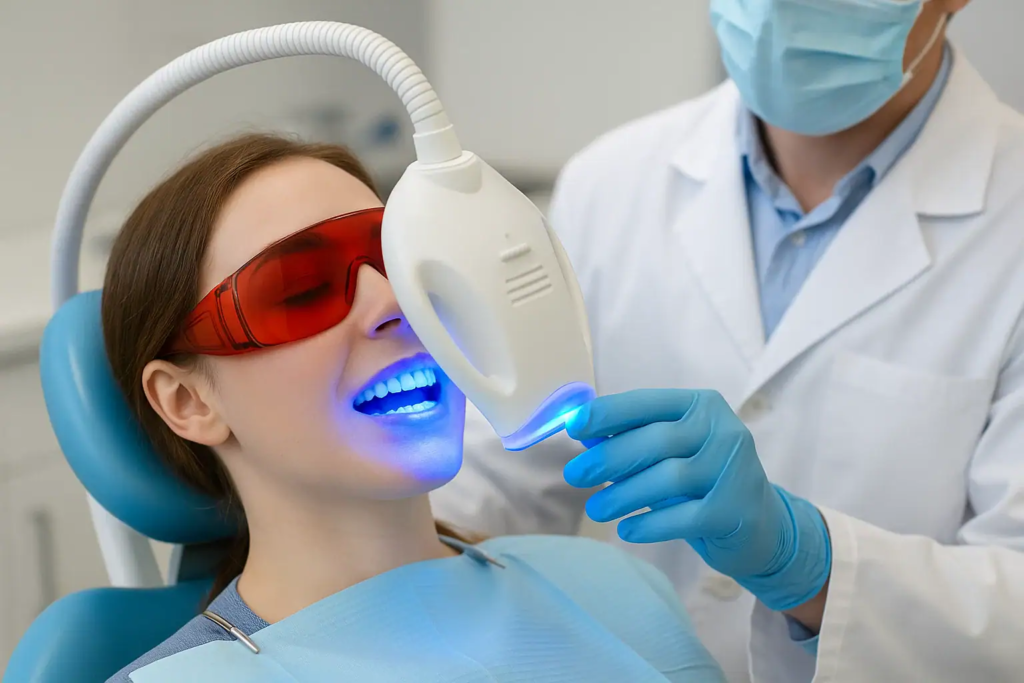
Professional care may be helpful when stains are dark, stubborn, or uneven. It also offers more control than many store-bought products. Your dentist can examine your mouth, identify the type of discoloration, and check for untreated dental problems.
People comparing local teeth whitening services should ask what the procedure includes, how sensitivity is managed, and what results are realistic. A professional can adjust the product strength and protect the gums during treatment.
When searching for teeth whitening options, choose a dental office that performs an examination before starting. A supervised procedure may produce faster and more even results, although each patient’s outcome will be different.
Can Natural Remedies Remove Tooth Stains?
Natural remedies are popular, but they do not always work safely. Baking soda may help polish away some light surface stains. However, frequent or rough use may irritate the gums or wear the enamel.
Acidic ingredients such as lemon juice and vinegar should not be applied to teeth. Acid can weaken enamel and increase sensitivity. Charcoal products may also be too abrasive, and evidence about their whitening benefits is limited.
Oil pulling may help the mouth feel cleaner, but it cannot replace brushing, flossing, or professional treatment. Ask a dentist before trying any homemade whitening method.
Foods and Drinks That Support a Brighter Smile
Water is one of the best drinks for your teeth. It washes away food particles and reduces the amount of time that staining substances remain on enamel. Drinking water after coffee or tea can be especially helpful.
Crunchy fruits and vegetables, including apples, carrots, and celery, can support saliva production. Milk, cheese, and plain yogurt provide nutrients that help maintain strong teeth. Sugar-free gum can also increase saliva after meals when brushing is not possible.
These foods cannot bleach teeth, but they can support a healthy mouth and reduce plaque buildup.
Habits That Can Prevent New Tooth Stains
You do not have to avoid every dark food or drink. Small changes can reduce how often your teeth contact strong colors. Rinse your mouth with water after drinking coffee, tea, cola, or red wine. When suitable, use a straw to direct cold drinks away from the front teeth.
Avoid smoking and other tobacco products. They can stain teeth and increase the risk of serious oral health problems. Also, do not brush immediately after having an acidic drink. Wait about 30 minutes so the enamel can recover.
How to Manage Tooth Sensitivity During Whitening
Temporary sensitivity can happen during whitening. Teeth may react to cold air, chilled drinks, or hot food. Using toothpaste made for sensitive teeth before and during the whitening process may reduce discomfort.
You can also leave more time between whitening sessions. Avoid very hot, cold, sweet, or acidic foods until the sensitivity improves. Contact a Dentist in Cypress if the pain is strong, continues after treatment, or affects only one tooth.
Why Regular Dental Cleanings Matter
Daily brushing cannot remove hardened tartar. During a professional cleaning, the dental team removes plaque, tartar, and certain surface stains. This can make teeth look cleaner even without bleaching.
Regular visits also allow dental problems to be found early. Treating decay or gum disease before whitening helps protect your comfort and oral health.
When Discoloration May Signal a Dental Problem
A sudden color change should not be ignored. One tooth may turn gray or dark after an injury, even if the injury happened months or years earlier. Black, brown, or chalky white spots may also be connected to decay or enamel damage.
Arrange a dental examination if discoloration comes with pain, swelling, sensitivity, bleeding gums, or bad breath. A dentist should identify the cause before recommending a teeth whitening treatment in Cypress. Whitening a damaged tooth without treating the main problem may hide an important warning sign.
How to Maintain Your Whitening Results
Whitening results require ongoing care. Brush and floss consistently, attend regular cleanings, and limit frequent exposure to tobacco and dark drinks. Rinse with water after consuming something that may stain your teeth.
Your dentist may suggest occasional touch-up treatments. Follow the recommended schedule because whitening too often can cause sensitivity. Remember that crowns, fillings, bonding, and veneers may need separate care if their color no longer matches your natural teeth.
Keep Your Smile Healthy and Bright
Removing tooth stains begins with understanding their cause. Better brushing, flossing, careful food choices, and safe whitening products can improve many surface stains. However, deep or unusual discoloration needs professional attention.
Choose methods that protect your enamel rather than promising instant results. A healthy smile is more important than an unnaturally white one.
Frequently Asked Questions
Can yellow teeth become naturally white again over time?
Yellow teeth may become brighter when surface stains and plaque are removed. However, naturally yellow dentin cannot be changed through brushing alone. Professional whitening may lighten it, while crowns, veneers, or bonding may help with discoloration that does not respond.
How long do professional teeth whitening results usually last?
Professional whitening results may last from several months to a few years. The exact time depends on oral hygiene, tobacco use, diet, and cleaning habits. Coffee, tea, red wine, and dark sauces may cause stains to return sooner.
Is baking soda safe for removing tooth stains?
Baking soda may remove some mild surface stains when used carefully. However, frequent or aggressive use can irritate gums and wear enamel. A dentist can recommend a safe whitening toothpaste or treatment based on your teeth and sensitivity.