

Surgical procedures in veterinary medicine require precision, control, and proper technique. One of the most important factors that supports successful outcomes is the use of the right instruments. Veterinary surgical instruments are designed to assist veterinarians in performing procedures safely and efficiently across a wide range of animal species.
Each instrument serves a specific purpose. From making incisions to controlling bleeding and closing wounds, the correct use of tools ensures that procedures are carried out with minimal complications. Understanding these instruments helps veterinary professionals maintain high standards of care and allows pet owners to better understand the treatment process.
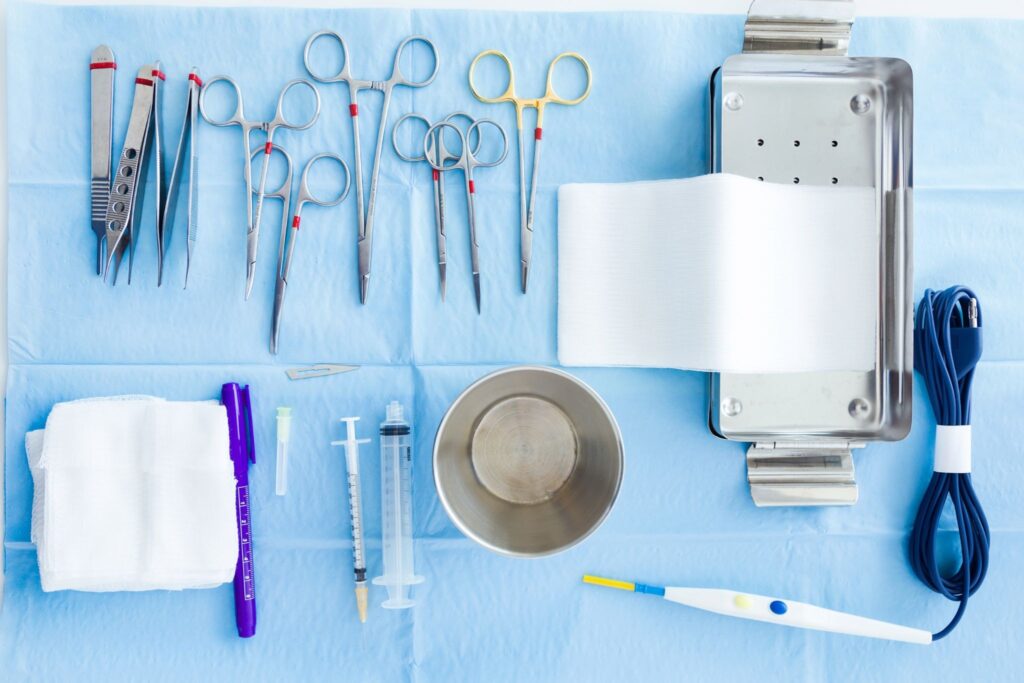
This guide explains the most common types of instruments used in veterinary practice and how they contribute to effective surgical care.
What Are Veterinary Surgical Instruments
Veterinary surgical instruments are specialized tools used during surgical procedures on animals. These instruments are designed to perform tasks such as cutting tissue, holding structures, controlling bleeding, and closing wounds.
The design of these tools is based on precision and durability. They are made from materials that can withstand repeated sterilization and maintain sharpness and strength over time. Proper maintenance and handling are essential to ensure their effectiveness.
Veterinarians rely on a wide range of veterinary surgical equipment to perform procedures safely. Each instrument must be selected carefully based on the type of surgery and the size of the animal.
For a broader understanding of surgical materials used during procedures, you can review the complete guide to choosing veterinary surgical sutures.
Categories of Veterinary Surgical Instruments
To better understand their use, veterinary surgical instruments can be grouped into categories based on their function. These categories help organize tools and ensure that the correct instrument is used for each step of the procedure.
The main categories include cutting instruments, grasping instruments, hemostatic instruments, retracting instruments, and suturing instruments. Each category plays a specific role in the surgical process.
Cutting Instruments
Cutting instruments are used to make incisions and separate tissues. These tools must be sharp and precise to minimize tissue damage.
Scalpels are among the most commonly used cutting tools. They allow veterinarians to make clean incisions with control. Surgical scissors are also widely used for cutting tissue and sutures. Different types of scissors are designed for specific purposes, such as delicate tissue work or tougher structures.
The proper use of cutting instruments is essential for reducing trauma to surrounding tissues. This supports faster healing and lowers the risk of complications.
Grasping and Holding Instruments
Grasping instruments are used to hold tissues or objects during surgery. These tools allow veterinarians to maintain control without causing excessive damage.
Forceps are commonly used for this purpose. They can hold tissue, remove debris, or assist in suturing. Some forceps are designed with fine tips for delicate work, while others have stronger grips for handling tougher tissue.
Needle holders are another important tool in this category. They are used to hold and guide surgical needles during suturing. Proper handling ensures accurate placement of sutures and secure wound closure.
You can learn more about how suturing techniques affect outcomes in the article on how veterinary suture material impacts surgical outcomes.
Hemostatic Instruments
Controlling bleeding is a critical part of any surgical procedure. Hemostatic instruments are designed to clamp blood vessels and prevent excessive bleeding.
Hemostats are commonly used for this purpose. They can temporarily or permanently close blood vessels during surgery. This helps maintain a clear surgical field and reduces the risk of complications.
The proper use of these instruments is essential for patient safety. Effective bleeding control allows the veterinarian to focus on the procedure without interruption.
Retracting Instruments
Retractors are used to hold back tissues and provide a clear view of the surgical area. They allow veterinarians to access deeper structures without causing unnecessary strain on surrounding tissue.
Some retractors are handheld, while others are designed to stay in place during the procedure. The choice depends on the type of surgery and the level of exposure required.
Using retractors properly helps improve visibility and precision. This is especially important in complex procedures where access to specific areas is limited.
Suturing Instruments
Suturing instruments are used to close wounds after a procedure. This includes needle holders, scissors, and other tools required for placing and securing sutures.
Proper wound closure is essential for healing. The choice of suturing technique and materials depends on the type of wound and the level of tension.
For example, absorbable sutures may be used for internal layers, while non absorbable sutures may be used for external closure. You can explore this further in the article on absorbable vs non absorbable sutures.
Importance of High Quality Instruments
The quality of veterinary surgical instruments has a direct impact on surgical outcomes. High quality tools provide better control, reduce the risk of errors, and improve efficiency.
Durable instruments maintain their performance over time. They resist corrosion and withstand repeated sterilization. This ensures that they remain safe and effective for use in multiple procedures.
Reliable veterinary surgical supplies also support infection control. Proper sterilization and handling reduce the risk of contamination, which is essential for patient safety.
Maintenance and Sterilization
Proper maintenance of veterinary surgical equipment is essential for ensuring long term performance. Instruments must be cleaned and sterilized after each use to prevent infection.
Sterilization methods such as autoclaving are commonly used. This process uses high temperature and pressure to eliminate bacteria and other microorganisms.
Regular inspection is also important. Instruments should be checked for signs of wear, damage, or reduced effectiveness. Any issues should be addressed promptly to maintain safety.
Choosing the Right Instruments for Each Procedure
Selecting the correct veterinary surgical instruments depends on several factors. These include the type of surgery, the size of the animal, and the specific requirements of the procedure.
For example, delicate procedures require fine instruments that allow precise control. Larger surgeries may require stronger tools that can handle more pressure.
Veterinarians must also consider the compatibility of instruments with other veterinary surgical supplies. This ensures that all components work together effectively during the procedure.
Advancements in Veterinary Surgical Equipment
Modern veterinary surgical equipment has evolved to improve efficiency and precision. New designs focus on ergonomics, durability, and ease of use.
Advancements in materials have led to stronger and more reliable instruments. Improved manufacturing techniques ensure consistent quality and performance.
These developments support better outcomes by allowing veterinarians to perform procedures with greater accuracy and confidence.
Role of Instruments in Surgical Outcomes
The use of proper veterinary surgical instruments plays a key role in achieving successful results. Accurate incisions, controlled bleeding, and secure wound closure all depend on the right tools.
Instruments also affect the speed of the procedure. Efficient tools reduce operating time, which can improve patient safety and recovery.
By using high quality veterinary surgical supplies, veterinarians can provide better care and reduce the risk of complications.
Understanding the Surgical Process
For pet owners, understanding the role of veterinary surgical instruments can provide reassurance. Each tool is selected to support a specific part of the procedure.
From the initial incision to the final closure, every step is carefully planned. The use of appropriate instruments ensures that the procedure is carried out safely and effectively.
This understanding helps build trust in veterinary care and highlights the importance of proper equipment in achieving positive outcomes.
Conclusion
Veterinary surgical instruments are essential tools that support every stage of a surgical procedure. From cutting and grasping to controlling bleeding and closing wounds, each instrument plays a vital role.
The use of high quality veterinary surgical equipment ensures precision, safety, and efficiency. Proper maintenance and selection of tools further enhance their effectiveness.
By understanding these instruments and their functions, both veterinary professionals and pet owners can appreciate the level of care involved in surgical treatment.
FAQs
Q: What are veterinary surgical instruments used for?
A: Veterinary surgical instruments are used to perform tasks such as cutting tissue, holding structures, controlling bleeding, and closing wounds. Each instrument is designed for a specific function during surgery.
Q: Why is high quality veterinary surgical equipment important?
A: High quality equipment ensures precision, durability, and safety. It reduces the risk of errors and supports better surgical outcomes by providing reliable performance during procedures.
Q: How are veterinary surgical instruments sterilized?
A: Instruments are typically sterilized using methods such as autoclaving, which uses heat and pressure to eliminate microorganisms. Proper sterilization is essential to prevent infection and ensure patient safety.
Q: What is the difference between surgical instruments and veterinary surgical supplies?
A: Surgical instruments are tools used during procedures, while veterinary surgical supplies include additional items such as sutures, gloves, and dressings that support the surgical process.
Q: How do veterinarians choose the right instruments for surgery?
A: Veterinarians select instruments based on the type of procedure, the size of the animal, and the level of precision required. Proper selection ensures safe and effective treatment.