
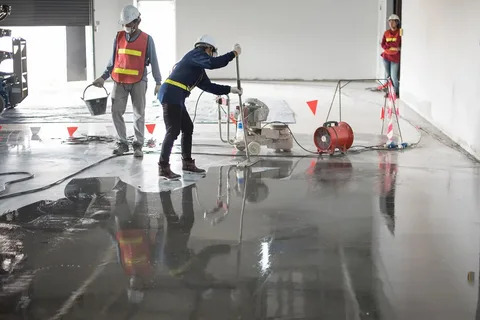

Commercial buildings need strong flooring that can handle daily activity without losing its quality. Warehouses, factories, retail stores, and other business spaces often face heavy foot traffic, moving equipment, spills, and regular cleaning. Over time, these conditions can damage untreated concrete and make floors harder to maintain. Concrete epoxy coating offers a practical way to protect concrete surfaces while improving their appearance. When the right materials are installed over a properly prepared floor, the coating can create a durable surface for many commercial and industrial environments.
Why Concrete Epoxy Coating Matters for Commercial Buildings
Concrete is a popular flooring material because it is strong and widely available. However, an untreated concrete surface can absorb certain liquids, collect dust, develop stains, and show signs of wear. These problems can affect the appearance and daily use of a commercial facility.
A suitable coating creates a protective layer over the concrete. This layer can help reduce surface damage from regular traffic, spills, and cleaning activities. It also makes many floors easier to clean because dirt and some liquids are less likely to enter the sealed surface.
Businesses may also choose a coating to create a more professional appearance. Different colors and finishes can help match the floor with the building’s design and intended use. For busy facilities, a well-planned flooring system can support both appearance and everyday performance.
What Is Concrete Epoxy Coating and How Does It Work?
Epoxy is a resin-based material made by combining resin with a hardener. When these materials are mixed, a chemical reaction begins. The mixture is applied to the prepared concrete and then cures into a firm layer that bonds with the surface.
The finished system can provide a smooth and continuous floor with useful protective properties. Its performance depends on the product selected, the condition of the concrete, and the quality of installation.
The installation process usually starts with a detailed inspection. The floor is checked for cracks, stains, old coatings, weak areas, and moisture concerns. After the necessary preparation and repairs, the coating is applied according to the product requirements. The floor then needs enough time to cure before normal use begins.
Common Applications in Commercial and Industrial Spaces
Different businesses have different flooring needs. A coating system should be selected according to the activities taking place inside the building.
Warehouses and distribution centers
Often need floors that can handle regular movement from forklifts, pallet jacks, storage equipment, and workers. A suitable coating can help protect the concrete from everyday wear.
Manufacturing facilities
May experience exposure to oils, selected chemicals, machinery, and frequent cleaning. The coating should be chosen based on the substances and conditions present in the workspace.
Food service and medical buildings
Often require surfaces that are easy to clean and maintain. The correct system can support cleaning routines, although the coating must meet the facility’s specific hygiene and safety requirements.
Retail stores and showrooms
May focus on appearance as well as durability. A clean, consistent finish can improve the look of the space and create a more organized environment for customers.
Main Benefits of an Epoxy-Coated Concrete Floor
One important benefit is protection against everyday wear. A properly selected system can help reduce damage from foot traffic, equipment movement, and common workplace activities. It may also provide resistance to certain stains and chemicals, depending on the product specifications.
Another advantage is easier cleaning. Untreated concrete can hold dust and absorb some liquids. A properly installed coating creates a less porous surface, making routine cleaning more manageable.
Appearance is another reason businesses consider commercial epoxy flooring. The material is available in different colors and finishes, allowing property owners to select a look that suits the building. Some systems also use decorative flakes to create a more textured visual effect.
Durability depends on correct installation and suitable maintenance. Even a strong coating can wear down when exposed to conditions beyond its intended use. Choosing the right product for the facility is therefore an important part of the planning process.
Why Concrete Preparation Is Important Before Coating
A coating needs a clean and properly prepared surface to bond effectively. Applying material over dust, grease, loose concrete, or old adhesive can lead to poor adhesion. This may cause peeling, bubbling, or early coating failure.
Mechanical preparation is commonly used to remove unwanted materials and create the surface profile required by the coating manufacturer. Concrete grinding can remove surface contaminants and smooth uneven areas. Shot blasting may be used when a different surface profile is needed.
Moisture testing is also important. Water vapor moving through the slab can affect the bond between the coating and concrete. If moisture levels are too high, additional treatment may be necessary before installation.
Cracks and damaged sections should be inspected and repaired where appropriate. The floor must also be cleaned carefully so that dust and debris do not interfere with the application. Proper preparation helps create a stronger foundation for epoxy floor coatings and supports better long-term performance.
How to Choose the Right Coating for Your Facility
Selecting a flooring system requires more than choosing a color. Business owners should consider how the floor will be used and what conditions it will face every day.
Start by reviewing the expected traffic. A space with heavy machinery may need a different product from an office or retail area. Consider whether the floor will be exposed to chemicals, oils, water, or regular cleaning products.
The condition of the existing slab is equally important. Cracks, uneven areas, previous coatings, and moisture problems can affect the installation plan. A professional inspection can help identify these issues before work begins.
It is also useful to compare installation schedules and maintenance needs. Some systems require longer curing periods, which may affect business operations. Planning the work around normal facility activity can reduce disruption.
When comparing epoxy flooring options, ask about the product specifications, preparation process, expected service conditions, and recommended cleaning methods. Clear information can help you choose a system that matches the building’s practical needs.
Maintenance Tips for Long-Lasting Results
Regular maintenance helps preserve the appearance and performance of a coated floor. Dust and loose dirt should be removed often because small particles can cause surface wear when repeatedly moved under shoes or equipment.
Use cleaning products recommended for the installed system. Avoid harsh chemicals or abrasive tools unless the manufacturer confirms they are suitable. Spills should be cleaned promptly, especially when they involve substances that may affect the coating.
Heavy equipment should be operated carefully. Where possible, use suitable wheels and protective pads to reduce unnecessary impact and scratching. Facility managers should also inspect the surface from time to time for chips, cracks, or worn areas.
Different epoxy coatings have different care requirements, so the maintenance plan should follow the manufacturer’s guidance. Prompt attention to small issues can help prevent them from becoming larger repairs.
Frequently Asked Questions
1. What is concrete epoxy coating used for?
It is used to protect and improve concrete floors in warehouses, factories, workshops, retail stores, and other commercial buildings. It can provide a smooth surface that is easier to clean and maintain.
2. Is epoxy coating suitable for warehouse floors?
Yes. Many warehouses use epoxy systems to protect concrete from regular traffic and everyday wear. The selected product should match the weight of equipment, traffic levels, and expected exposure to chemicals.
3. How long does an epoxy floor coating last?
Its lifespan depends on the coating type, surface preparation, installation quality, traffic, and maintenance. A properly selected and installed system can last for years when cared for correctly.
4. Does concrete need preparation before epoxy application?
Yes. The concrete generally needs cleaning and mechanical preparation to remove contaminants and create a suitable surface profile. Repairs and moisture testing may also be needed.
5. How long does epoxy coating take to cure?
Curing time varies by product, temperature, humidity, and installation conditions. Some systems may allow light foot traffic before they are ready for heavy equipment. Always follow the manufacturer’s instructions.
Conclusion
A suitable floor coating can help commercial property owners protect concrete, improve cleanliness, and create a more professional working environment. The best results come from choosing materials that match the facility’s needs and preparing the concrete correctly before application. Careful planning and regular maintenance can also support long-term performance. For professional concrete grinding, polishing, and flooring preparation solutions, All West Surface Prep helps commercial and industrial facilities prepare their floors for dependable coating systems.