
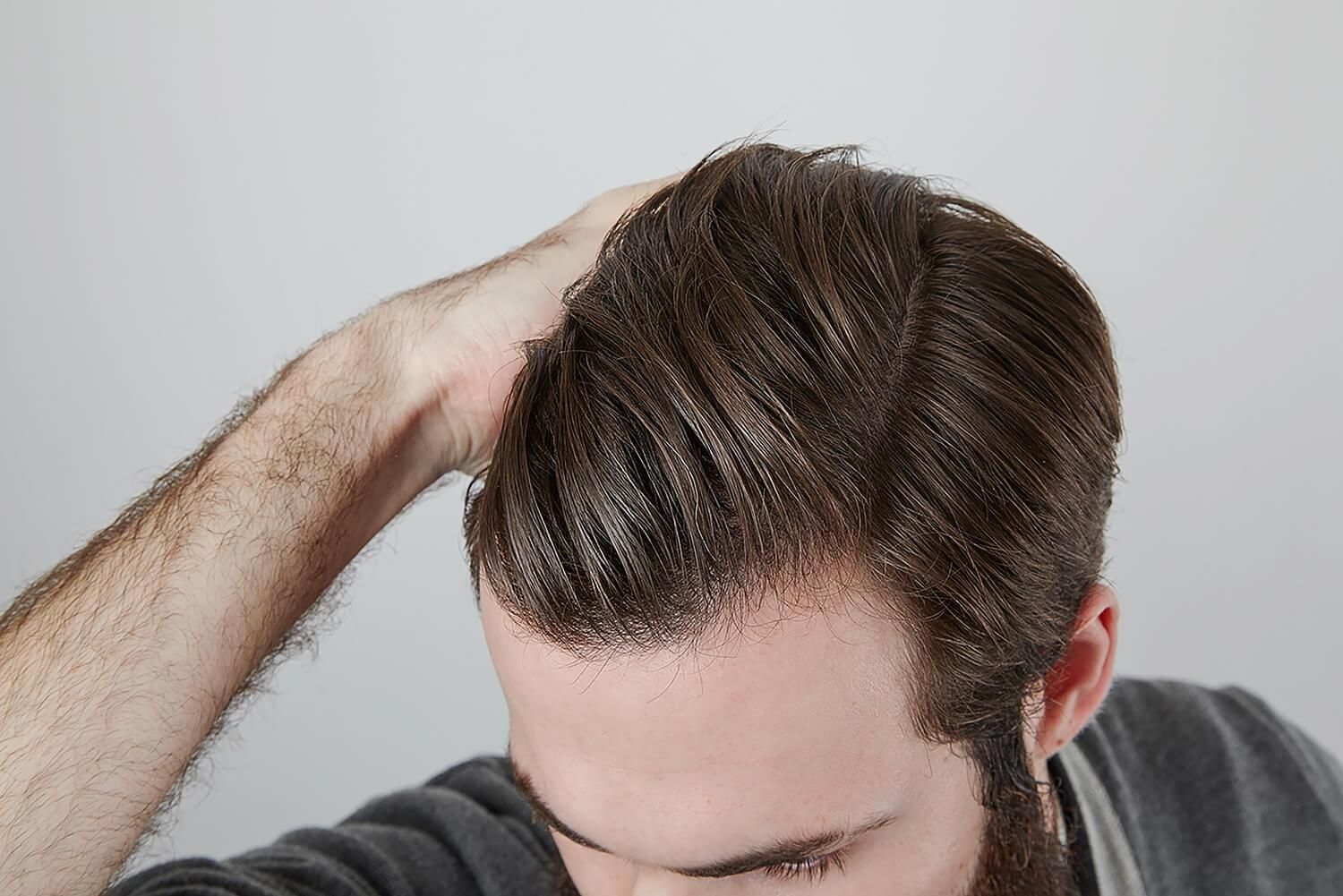

Someone gets a fuller hairstyle, and the guesses begin. Was it a transplant? Is it a wig? Can he wash it? Does everyone have to pretend they cannot tell? Men’s hair enhancement attracts plenty of opinions, often from people who have never worn a replacement piece or watched one being fitted.
The term man weave nyc can add to the confusion. People use different names for men’s hair replacement services, sometimes without explaining what is being supplied, how it will be attached, or what upkeep involves. A catchy label tells you much less than a clear description of the actual service.
If you are considering a change, the useful questions concern appearance, comfort, care, and cost. Separating those practical details from common assumptions makes it easier to judge whether a particular option suits you.
Myth: There Is One Standard Look
The phrase “hair replacement” may bring a single image to mind: a dense top, a low hairline, and a dramatic change in appearance. That picture does not represent every possible result. Length, texture, coverage, and the surrounding haircut all influence the finished style.
Two people can want very different outcomes. One may prefer a modest increase in fullness that keeps his familiar silhouette. Another may want to try a longer style after years of wearing his hair close to the scalp. Neither goal requires copying a standard template.
When comparing hair system nyc options, ask how the proposed fitting would support your preferred appearance. Discuss the amount of coverage, the hairline position, and the way the new hair would meet your existing growth. Those choices reveal more than a service name.
A Good Reference Explains a Preference
Bring photographs, but identify what you like about them. It could be the soft front, the curl pattern, or the clean shape around the sides.
This helps the barber adapt an idea to you. Without that explanation, you may be discussing an entire haircut when you only wanted one feature.
Myth: More Hair Always Produces a Better Result
It is easy to equate fullness with value. If you are paying for added hair, choosing the greatest possible density may seem sensible. Yet the amount of hair needs to work with the complete haircut.
A very full top can create an unwanted contrast with finer sides. Extra volume can also change the silhouette more than you intended. Someone seeking a discreet adjustment may feel less comfortable with a dramatic increase, even if the fitting itself is carefully completed.
Start by describing the appearance you want to live with. Do you want to resemble an earlier version of your haircut? Would you prefer a visibly new style? Are you comfortable spending time arranging more volume each morning?
The answers help establish an appropriate direction. “Fuller” is a starting point for discussion, not a complete design brief.
Balance Deserves More Attention Than Maximum Coverage
Look at the hair from ordinary viewing distances. Check the side profile and the back, where the relationship with your natural hair becomes clearer.
A balanced haircut should feel coherent as you move around. Judging only a close-up of the front can leave other important areas out of the decision.
Myth: A Hair Piece Must Be Obvious
Some people expect every replacement piece to be noticeable because they remember an unconvincing example. That is understandable, but it does not tell you how a different unit, haircut, or fitting will look.
Appearance depends on several choices working together. A suitable shade can still look awkward if the shape is wrong. A carefully positioned front may not solve a sharp texture mismatch at the sides. Each element deserves its own discussion.
At the same time, promises that nobody could ever notice are too absolute to help you make a decision. Ask to see relevant examples and discuss what is realistic for your existing hair and preferred style.
Lighting, movement, and styling also matter when you assess a result. A photograph can show useful detail, but it cannot answer every question about how a haircut looks in daily life.
Your aim should be a finish you are comfortable wearing, supported by clear explanations about how it will be achieved and maintained.
Myth: Installation Ends the Work
A completed fitting can change your appearance in one appointment, but wearing the style involves an ongoing routine. You still need to understand washing, drying, styling, and professional follow-up.
That routine should be explained for the particular piece and attachment method being used. Advice from a friend or online video may relate to a different setup. Ask which instructions apply to you rather than collecting several routines and combining them.
Find out what you can manage at home and what should prompt a call to the installer. A styling difficulty, a lifting edge, and scalp discomfort are different concerns. You should leave knowing how to describe each and where to get guidance.
Maintenance Should Be Practical
Tell the provider about your schedule before agreeing to a care plan. Work travel, exercise, early starts, and long commutes can all affect which appointments and daily steps you can reasonably manage.
Ask for a demonstration of anything unfamiliar. Understanding a routine while watching a professional perform it is different from being able to repeat it yourself.
Myth: Every Option Works With Every Lifestyle
A friend’s positive experience can be encouraging, but his routine may be very different from yours. He might have more styling time, wear a different haircut, or use another type of attachment.
Explain the parts of your week that could affect your choice. Mention regular swimming, frequent workouts, required headwear, and extended travel. Ask how those activities would influence the proposed setup and its care.
Be especially clear about timing after a new attachment. Find out whether any temporary restrictions apply and when your usual activities can resume. Do not assume that advice for an established routine also applies immediately after fitting.
The same principle applies to styling expectations. If you want to spend only a few minutes on your hair, say so. A look that depends on a careful daily finish may be less suitable than a simpler shape you enjoy just as much.
Choosing around real habits gives you a better basis for satisfaction than choosing around an ideal week.
Myth: The Initial Price Tells You the Total Cost
An installation quote answers one part of the budget question. It may not explain every future expense associated with wearing and maintaining the piece.
Ask what the first price includes. Clarify whether the unit, preparation, attachment, haircut, and products are part of the same service. Then discuss maintenance visits and eventual replacement.
Avoid treating an estimated lifespan as a guaranteed deadline. Ask what signs of wear to watch for and how the provider evaluates whether a piece remains useful. That discussion is more practical than planning around a single number.
If you are bringing a unit purchased elsewhere, explain that before booking. Find out whether it needs assessment and whether the quoted service assumes it is suitable for installation.
A clear budget lets you compare options on the work they involve over time. It also reduces the chance of choosing a setup whose ongoing costs are uncomfortable for you.
Myth: Choosing Hair Enhancement Means You Lack Confidence
People change their appearance for many reasons. They wear different clothes, grow beards, straighten teeth, or change hairstyles. Choosing additional hair does not reveal a single truth about someone’s personality.
You may feel confident in most areas of life and still prefer a fuller haircut. You may enjoy experimenting with style. You may simply be tired of arranging your remaining hair around one thin section.
Equally, you do not have to choose replacement hair to prove that you are taking care of yourself. A shaved head, a close crop, or leaving your hair as it is can also be a considered preference.
The decision becomes easier when you remove the imagined audience. Focus on whether you like the appearance, understand the commitment, and feel comfortable with the cost. Those are your choices to make.
Replace Assumptions With Specific Questions
Before committing, ask a provider to explain the proposed result, the fitting process, the care routine, and the ongoing expenses. Pay attention to how clearly those answers relate to your own hair and circumstances.
A consultation with Ace of Fades NYC can start with the questions you have been reluctant to ask. Bring the concern about visibility, the uncertainty about maintenance, or the hairstyle you are unsure you can achieve.
You do not need to arrive convinced. You need enough clear information to decide whether the service fits your preferences. That is a stronger starting point than either a dramatic promise or a myth repeated often enough to sound like fact.