
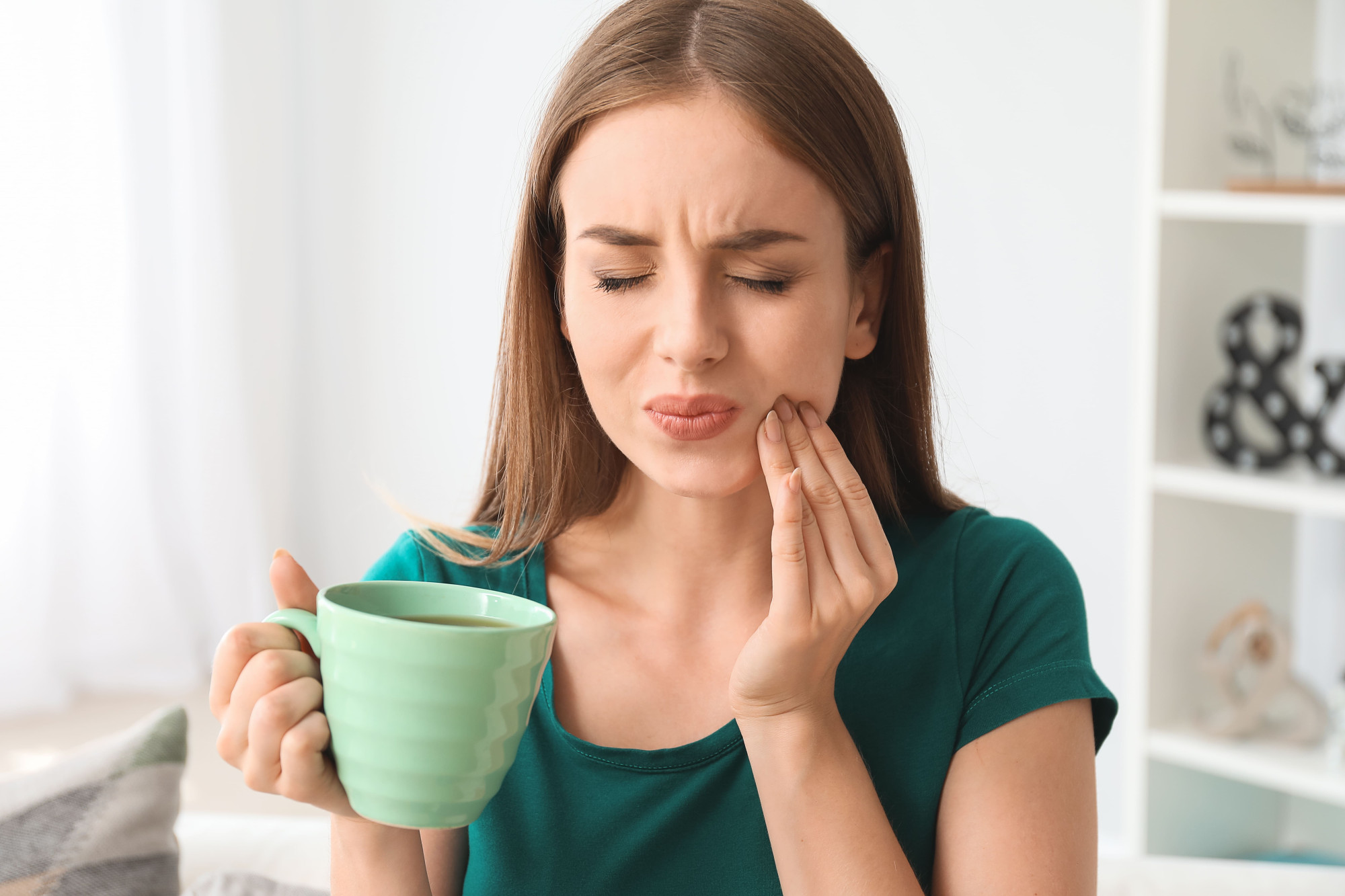

A brief sting from a cold drink can be easy to dismiss, especially if the tooth feels normal a moment later. Then you may begin changing how you eat or avoiding that side of the mouth. For a Plano resident, the useful question is not simply whether the tooth is sensitive, but what the pattern tells the dentist to investigate.
Sensitivity can have different causes, including problems involving enamel, exposed roots, decay, or existing dental work. A similar sensation does not prove the same diagnosis in two people. The appropriate response depends on assessment rather than choosing a product from the symptom alone.
A short record can help you explain the concern. It should capture what happens in ordinary life without turning your day into a series of tests. The aim is to provide a clearer history and obtain advice, not to identify the cause yourself.
Record the event, not a theory about it
Note the area, the trigger you noticed, and whether the sensation ended quickly or continued. Say if you are unsure which tooth is involved. An honest description of uncertainty is more useful than confidently naming the wrong location.
Mention whether the problem is new, increasing, or linked to a recent change. That might include dental treatment, an injury, or use of a new product. These details belong in the history even when you do not know whether they are connected.
When arranging dental care for tooth sensitivity, explain this pattern and ask what assessment is appropriate. Confirm current appointment arrangements directly rather than assuming a particular treatment will be available or necessary before the tooth is examined.
Do not keep applying ice or biting harder to see how much the tooth can tolerate. Repeatedly provoking it does not establish a diagnosis. Use ordinary observations and contact the practice for advice about the timing of assessment.
Separate a trigger from the underlying cause
Cold, heat, sweet foods, or brushing may bring attention to a symptom, but they do not explain why it occurs. Ask the dentist what findings account for the sensitivity and whether more information is needed. Avoid treating one trigger as proof of one disease.
The dentist may assess the tooth, gums, restorations, and other relevant factors. Ask how the recommended care relates to the finding. A product intended to reduce sensation may have a different purpose from treatment for a specific underlying problem.
Tell the team about pain with chewing, swelling, or another change as well. Do not compress several symptoms into the word sensitive. More complete information can affect the appointment advice and the questions the dentist needs to answer.
If symptoms change after booking, update the practice. Ask which features should prompt earlier contact. A note describing a brief sensation last week should not stand in for a new pattern that now affects ordinary eating or sleep.
Bring your routine into the assessment
Describe the products you use and how you clean. If you recently increased pressure, changed a brush, or tried whitening, mention it without assuming it explains everything. The dentist needs the context but should still investigate the concern appropriately.
Ask for a practical demonstration if you are unsure about cleaning pressure or access. A general instruction to be gentle may not show you what to change. Explain any barriers that make the routine difficult, such as crowding or limited hand movement.
If you have been using a sensitivity product, note its name and how you followed the directions. Do not keep adding products because the first one did not provide an immediate answer. Ask whether it suits your findings and what result or review the dentist recommends.
Avoid making several unrelated changes just before the visit unless advised. A long list of new products can make it harder to explain the history. Keep the routine information factual and let the dentist guide relevant adjustments after assessment.
Understand what a proposed treatment is meant to do
Treatment depends on the cause, so ask for that connection explicitly. The plan may involve home-care advice, professional care, a restoration, or another step. These should not be treated as interchangeable options selected only by how quickly they seem to reduce discomfort.
If the recommendation is a product or change in technique, ask how to use it and when the result should be reviewed. If a procedure is proposed, ask which finding supports it and whether alternatives are reasonable. The explanation should remain specific to your tooth.
Ask whether the sensitivity is the whole concern or one sign of a broader issue. This helps you understand why the dentist may recommend care that seems more extensive than the brief symptom you noticed. Do not infer the answer from intensity alone.
If you are uncertain about the explanation, say so before agreeing. You can repeat the proposed plan in your own words and ask whether it is accurate. A clear understanding is more valuable than remembering the name of a procedure without its purpose.
Keep everyday observations proportionate
A symptom note should be short enough to maintain. Record a relevant episode rather than checking the tooth every few minutes. Include a change that affects function, but do not create a complicated score that becomes another source of worry.
Use practical descriptions such as briefly uncomfortable with a cold drink or still aching after a meal. Those descriptions can support the clinical history. They do not replace an examination, and the dentist may ask other questions you had not considered.
If you are contacting 7 Stone Dental about sensitivity, share the actual pattern rather than requesting a predetermined procedure. Ask what information the team needs before the appointment and bring any relevant product or treatment details with you.
Check the plan after the visit
Write down what was recommended and the reason for it. Ask what change would be expected and when to contact the team if the course differs. This avoids treating every later sensation as either automatically harmless or proof that the plan failed.
Confirm travel and contact details for the dental practice in Plano, especially if another review is planned. Keep clinical instructions from the treating team separately from general information found while searching online.
Follow the agreed instructions rather than continuing to test the tooth. If a new symptom appears, describe it directly. A change in the situation can require updated advice even when the original concern seemed limited.
Keep your next-step note brief: what to do, why, and when to review. This makes it easier to maintain a useful routine while avoiding an endless cycle of products and self-testing that never answers the underlying question.
Final Thoughts
Sensitivity is a symptom to describe, not a diagnosis to guess. Record ordinary triggers, duration, location, and changes without repeatedly provoking the tooth. Share your routine and relevant history, then ask how the findings support the proposed care. A clear follow-up plan helps you understand what to expect and when to call again, so symptom management does not replace assessment of the cause.
Frequently Asked Questions
Does cold sensitivity always mean a cavity?
No. Several conditions can cause a similar sensation. Describe the pattern and arrange assessment rather than selecting a diagnosis from the trigger alone. The dentist can investigate the tooth, gums, and relevant existing dental work.
Should I test the tooth before my appointment?
Avoid deliberate temperature or biting tests. Record what happens during ordinary activities and explain any changes to the practice. Repeated testing does not reliably identify the cause and can make the area more uncomfortable.
Can I keep changing sensitivity products until one works?
Ask for advice instead of repeatedly adding products. Tell the dentist what you use and follow its directions. A suitable plan depends on the underlying findings, not just whether one product briefly changes the sensation.