

Applying for a green card comes with a lot of paperwork. One step that many people don’t know much about is the immigration medical exam. You need it to show the U.S. government that you meet certain health rules. The exam is not meant to be scary or hard. It is mostly a normal checkup, plus a few tests and a check of your vaccines.
The most important thing to know is that you can’t go to just any doctor for this exam. It must be done by a special doctor called a civil surgeon. If you live in Illinois, you can get an immigration physical in Chicago at a clinic where a civil surgeon does the exam, the lab tests, and any missing vaccines in one place. This saves you time and helps you avoid mistakes on your forms.
What Is the Immigration Medical Exam?
The immigration medical exam is a health check required by USCIS, the U.S. government office that handles green cards. The results go on a form called Form I-693, which is also known as the Report of Immigration Medical Examination and Vaccination Record.
The exam has a clear purpose. The government wants to make sure that new residents don’t have certain diseases that could spread to others, and that they are protected by the right vaccines. It also checks for a few other health issues that could matter under immigration law. For most healthy people, the exam is simple and goes smoothly.
Who Needs This Exam?
Most people who apply for a green card from inside the United States need this exam. This is called “adjustment of status,” and you apply for it with a form called the I-485. When you file the I-485, you generally need to include your completed I-693.
Other people may also need the exam. This includes some refugees and asylum seekers who are applying for a green card, and people who came to the U.S. on a K-1 fiancé(e) visa and are now applying to stay. If you are applying for an immigrant visa from outside the U.S., you will have a similar exam in your home country with a doctor picked by the U.S. embassy, not a civil surgeon here.
If you’re not sure if you need the exam, check your USCIS instructions or ask your immigration lawyer.
Why You Must See a Civil Surgeon
This is the part where many people make costly mistakes. A civil surgeon is a doctor who has been officially chosen by USCIS to do immigration exams. Your family doctor, even if they are great, can’t fill out your I-693 unless they have this special approval.
If a regular doctor fills out your form, USCIS will not accept it. You will have to do the whole exam again, which costs more time and money. Before you book, always ask the clinic if the doctor is a USCIS-designated civil surgeon. You can also check the official civil surgeon locator on the USCIS website.
What Happens During the Exam?
The exam is done in a few steps. Some can be done on the first visit, and some may need a short second visit after the lab results come back.
Talking About Your Health History
First, the civil surgeon will ask you questions about your health. They will want to know about past illnesses, surgeries, hospital stays, and any medicines you take. They will also ask about mental health and about drug or alcohol use. Answer honestly. These questions are part of the official rules, and the doctor is there to complete the form correctly, not to judge you.
The Physical Exam
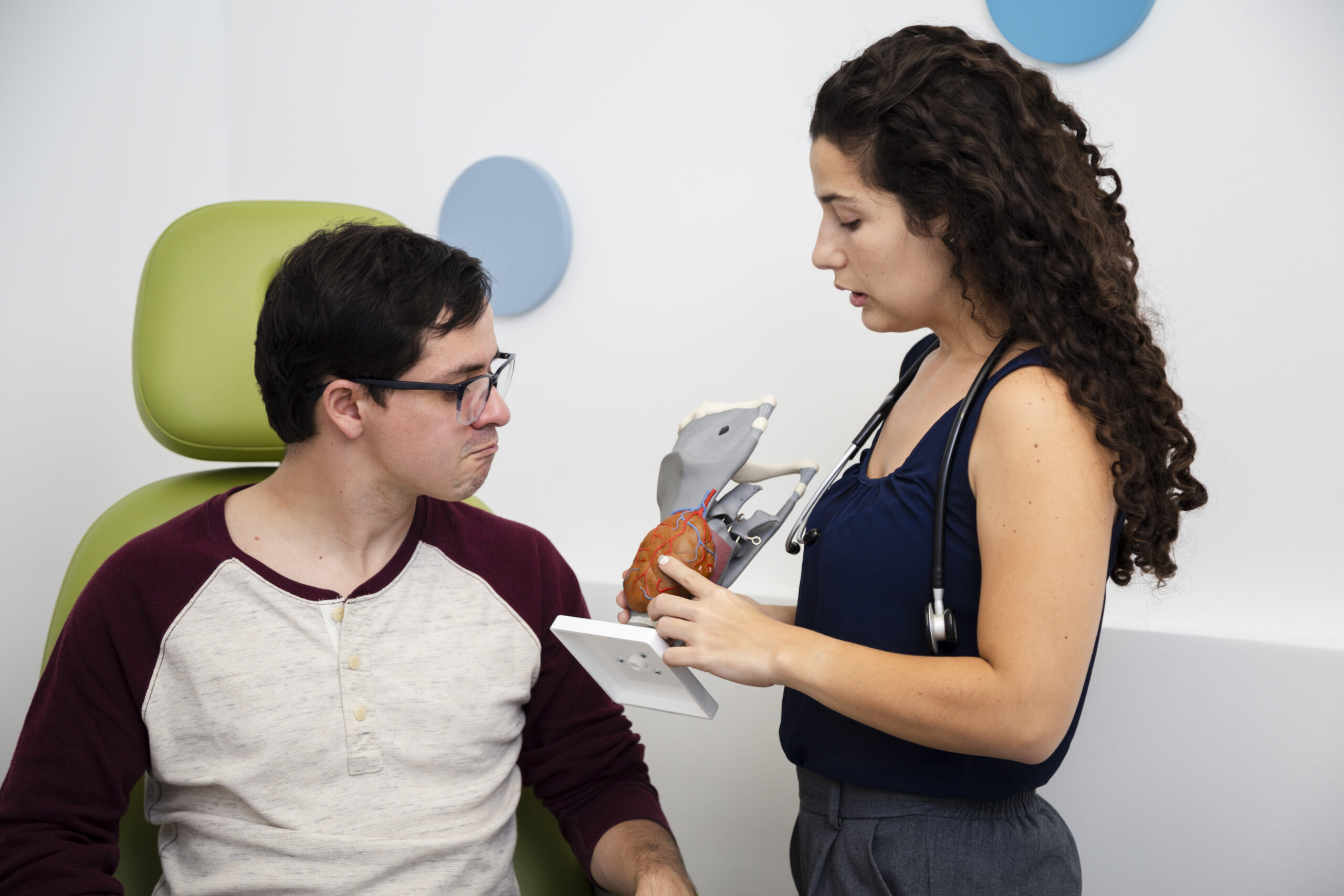
Next comes the physical exam. It feels a lot like a normal checkup. The doctor will listen to your heart and lungs, look at your eyes, ears, nose, and throat, check your skin, and look at your arms and legs. They may also check your reflexes. This part is quick and does not hurt.
Blood Tests
You will give a small blood sample. One test checks for tuberculosis (TB), which is a lung infection that can spread from person to person. Most people over the age of two get a TB blood test instead of the older skin test. If the TB test comes back positive, it does not always mean you are sick. The doctor will usually order a chest X-ray to take a closer look.
Your blood is also tested for syphilis, a sexually transmitted infection. Depending on your age, you may also give a urine sample to test for gonorrhea. If any of these tests are positive, don’t panic. These infections can be treated, and treatment is part of the process. If you want to learn more about these tests before your exam, you can read about STI testing and how it works.
Checking Your Vaccines
The last big part is your vaccine record. USCIS follows a list from the CDC of vaccines that green card applicants need. These include shots like measles, mumps, and rubella (MMR), tetanus, polio, hepatitis B, and chickenpox, along with the flu shot during flu season. The exact list depends on your age and health. The COVID-19 vaccine is no longer on the required list.
If your records show that you already had these shots, the doctor will mark them on your form. If you are missing any, you can usually get them at the same clinic. In some cases, a blood test can show that you are already protected, so you don’t need the shot again.
What to Bring to Your Appointment
Getting your papers ready before the visit can save you from an extra trip. Bring a government photo ID, like a passport or driver’s license. Bring your vaccine records, including any from your home country, even if they are not in English. If you have a health problem like diabetes, high blood pressure, or past TB, bring any medical papers that explain it. A list of your medicines will also help.
If you have had a chest X-ray or a TB treatment in the past, bring those records too. They can help the doctor understand your history and may save you from extra tests.
The Sealed Envelope: Do Not Open It
When everything is done, the civil surgeon will give you your completed I-693 in a sealed envelope. This part is very important. Do not open the envelope. USCIS will not accept a form that has been opened or changed in any way. If the seal is broken, you will need to go back to the civil surgeon for a new one.
Most clinics will also give you a copy of your results for your own records. Keep that copy at home, and send the sealed envelope with your application exactly as you got it.
USCIS has changed its rules about how long the I-693 stays valid and when it must be filed a few times in recent years. Before you book your exam, check the latest rules on the USCIS website or ask your lawyer, so your form is not too old by the time your case is reviewed.
How Long Does It Take?
The first visit usually takes about an hour. Lab results often come back within a few days. If you need extra vaccines, a chest X-ray, or a follow-up visit, it may take a little longer. To stay on the safe side, don’t wait until the last minute. Plan your exam a few weeks before you want to file.
How Much Does It Cost?
USCIS does not charge a fee for the I-693 form, but the civil surgeon does charge for the exam. The price is set by each clinic and depends on what you need. Your total cost will be higher if you need several vaccines or extra tests like a chest X-ray. Health insurance usually does not cover the exam itself, though it may cover some vaccines. Ask the clinic for a full price before your visit so there are no surprises.
Final Thoughts
The immigration medical exam is an important step on your path to a green card, but it does not have to be stressful. Pick a USCIS-designated civil surgeon, bring your ID and vaccine records, answer the health questions honestly, and keep your sealed envelope closed. With a little planning, the exam can be one of the easiest parts of your application.
If you are in the Chicago area and want a place that handles the exam, lab work, and vaccines in one visit, NovaMed Urgent Care offers walk-in immigration physicals with civil surgeons who know the USCIS rules and can guide you through each step.
