
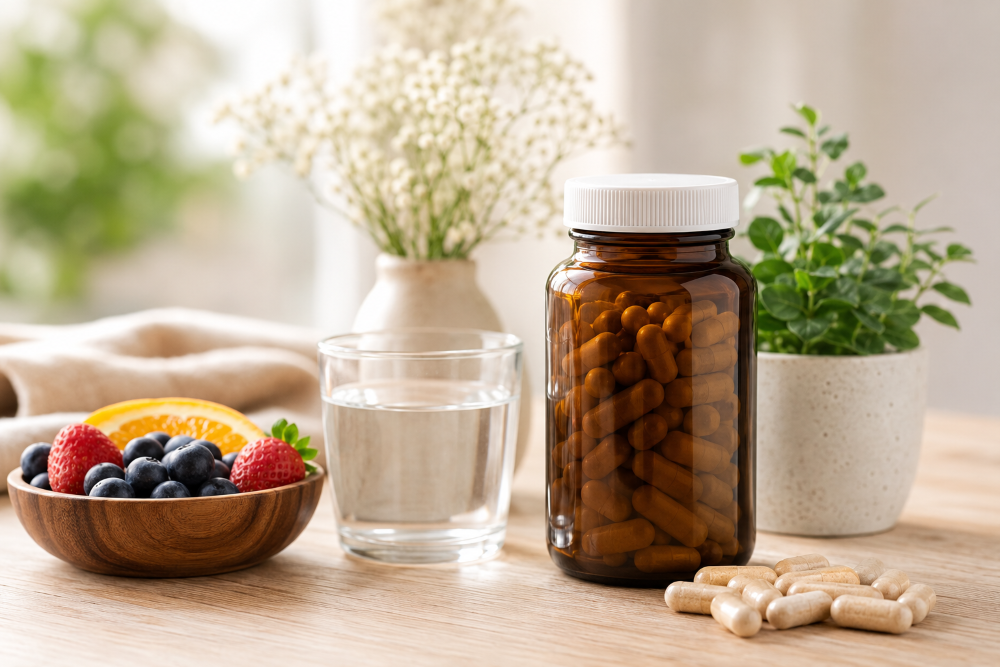

Between work, family commitments, exercise, and everyday responsibilities, it can be difficult to keep every meal balanced. Women may also have different nutritional needs at different stages of life. These needs can depend on age, dietary habits, pregnancy, menstruation, and general health.
For women who follow halal dietary rules, choosing a multivitamin includes another important step: checking the source of its ingredients and confirming its suitability.
The best halal multivitamins for women should match personal nutritional needs, contain appropriate amounts of vitamins and minerals, and meet the buyer’s dietary requirements. A product with a long ingredient list is not automatically the best choice.
This guide covers key nutrients, halal checks, product labels, common mistakes, and practical tips for choosing a supplement that fits your routine.
What Are Halal Multivitamins for Women?
Multivitamins contain a combination of vitamins and minerals. Formulas designed for women may include nutrients such as vitamin D, B vitamins, vitamin C, zinc, and folate. Some contain iron or other ingredients based on the intended product.
Halal suitability depends on the source of ingredients and the manufacturing process. Capsule materials deserve particular attention because some supplements use animal-derived gelatin.
A halal-conscious buyer should check:
- The complete ingredient list.
- The source of gelatin or other animal-derived materials.
- Any product-specific halal certification.
- The manufacturer’s information about processing.
- The recommended serving and nutrient amounts.
- Allergen warnings and storage directions.
Do not assume that every product labelled “women’s multivitamin” is halal-compliant. Check the details of the specific supplement.
Which Nutrients Should Women Look for?
Nutritional needs vary between individuals. These are some nutrients that may deserve attention when reviewing a multivitamin.
Folate
Folate supports normal cell division and helps the body form DNA. It is particularly important before and during early pregnancy because adequate folic acid intake reduces the risk of certain neural tube defects.
Women who are pregnant or planning a pregnancy should discuss appropriate supplementation with a healthcare professional. A general multivitamin may not contain the recommended amount of folic acid for this purpose.
Iron
Iron supports haemoglobin production, which helps red blood cells carry oxygen. Menstruation can increase iron requirements for some women.
Iron needs differ, and not everyone benefits from an iron supplement. Excessive iron intake can be harmful, so women should seek professional advice when a deficiency is suspected.
Vitamin D
Vitamin D helps the body absorb calcium and supports bone health. Food sources include oily fish, egg yolks, and fortified products.
Some women may benefit from extra vitamin D, depending on dietary intake and other personal circumstances.
Vitamin B12
Vitamin B12 supports normal nerve function and red blood cell formation. Women following vegan diets need a reliable source of this nutrient, often through fortified foods or supplements.
Calcium
Calcium supports bones and teeth, muscle function, and normal nerve signalling. Dairy foods, calcium-fortified alternatives, and some green vegetables can contribute calcium.
A multivitamin may contain only a small amount. Check the label and assess the rest of your diet before choosing an additional calcium supplement.
Zinc and Vitamin C
Zinc contributes to normal immune function, while vitamin C supports collagen formation and iron absorption from plant foods. Fruit, vegetables, legumes, nuts, and other whole foods can supply these nutrients.
How Do You Choose the Best Halal Multivitamins for Women?
A suitable product should fit your dietary requirements and nutritional needs. Follow these steps when comparing options.
- Review the ingredients. Check the vitamins and minerals included in each serving.
- Compare nutrient amounts. Look at the percentage of the daily value or other reference information listed on the label.
- Confirm halal suitability. Review certification and ask about unclear ingredient sources.
- Check capsule materials. Find out if the capsule contains gelatin or uses plant-derived materials.
- Review age and life-stage guidance. A general formula may not suit pregnancy or other specific needs.
- Check expiry and storage details. Use products with intact packaging and follow the instructions.
- Avoid excessive doses. More nutrients do not always mean greater benefit.
If you have a diagnosed deficiency or a medical condition, ask a healthcare professional which nutrients and amounts are appropriate.
Are Women’s Multivitamins Different From General Multivitamins?
Some women’s formulas contain nutrient amounts chosen with common nutritional needs in mind. Iron and folate are examples of nutrients that may receive particular attention in certain products.
The actual formula matters more than the name on the bottle.
| Feature | Women’s multivitamin | General multivitamin |
|---|---|---|
| Formula | May reflect common needs at certain life stages | Designed for broader use |
| Iron | May contain iron | May contain iron or omit it |
| Folate | Amount varies by product | Amount varies by product |
| Vitamin D | Depends on the formula | Depends on the formula |
| Halal suitability | Must be checked separately | Must be checked separately |
| Best use | Depends on personal needs | Depends on personal needs |
Neither type is automatically better. Compare the nutrient amounts and choose a product that suits your situation.
How Can Women Check Halal Certification and Ingredients?
Halal verification is an important part of supplement selection for many consumers. The product label may list certification information or direct buyers to the manufacturer for further details.
Pay attention to ingredients that may have different sources, including gelatin, certain fatty-acid derivatives, and other animal-derived materials. Their suitability depends on their origin and the applicable halal standards.
Plant-based capsules can be useful for people who prefer not to use animal-derived gelatin, but a plant-based label alone does not confirm the entire product’s halal status.
If certification matters to you, confirm that it applies to the exact product. When the information is unclear, contact the manufacturer before purchasing.
Should Women Take a Multivitamin Every Day?
Some multivitamins are designed for daily use, but not every woman needs one. Women who eat a varied diet may already obtain sufficient amounts of many nutrients.
Supplement needs may change with dietary restrictions, life stage, and health circumstances. Pregnancy planning, for example, requires special attention to folic acid. Iron supplementation may be suitable for some women but unnecessary for others.
Read the product directions and avoid taking multiple supplements with overlapping ingredients. If you are pregnant, breastfeeding, taking medicines, or managing a health condition, seek professional guidance before choosing a formula.
A multivitamin should not replace medical care or be used to treat unexplained symptoms.
What Mistakes Should You Avoid?
Assuming Every Women’s Formula Contains Iron
Some products include iron, while others do not. Check the label rather than relying on the product name.
Taking Extra Nutrients Without a Clear Need
Excessive amounts of certain vitamins and minerals can cause health problems. Review the full daily intake when using more than one supplement.
Confusing Halal Status With Product Quality
Halal suitability and nutritional quality are separate questions. Review both the ingredient sources and the amounts of nutrients.
Expecting Supplements to Replace Meals
A multivitamin does not supply the full range of protein, fibre, healthy fats, and other components found in a balanced diet.
Overlooking Life-Stage Needs
A general formula may not meet the needs of pregnancy or a diagnosed deficiency. Seek advice when your nutritional requirements change.
How Can Women Support Daily Nutrition Naturally?
Supplements are only one part of a healthy routine. Food variety and consistent habits can make a meaningful difference to daily nutrition.
- Include fruit and vegetables in regular meals.
- Eat protein-rich foods such as eggs, beans, fish, or poultry.
- Choose whole grains when suitable.
- Include sources of calcium, such as dairy products or fortified alternatives.
- Add nuts and seeds where appropriate.
- Drink enough water.
- Maintain regular physical activity and a consistent sleep schedule.
These habits support general wellbeing and can help you identify areas where your diet may need improvement.
Final Thoughts
The best halal multivitamins for women combine suitable nutrient amounts with ingredients that meet personal dietary requirements. Check the formula, capsule materials, manufacturer information, and halal certification before making a choice.
Your age, diet, and stage of life can affect which nutrients you need. Avoid unnecessary high doses, and seek professional guidance if you are pregnant, planning a pregnancy, or concerned about a possible deficiency.
Visit iCare Naturals to review available products and compare their ingredients and directions. Choose a supplement that fits your nutritional needs and dietary preferences while keeping balanced meals at the centre of your routine.

