
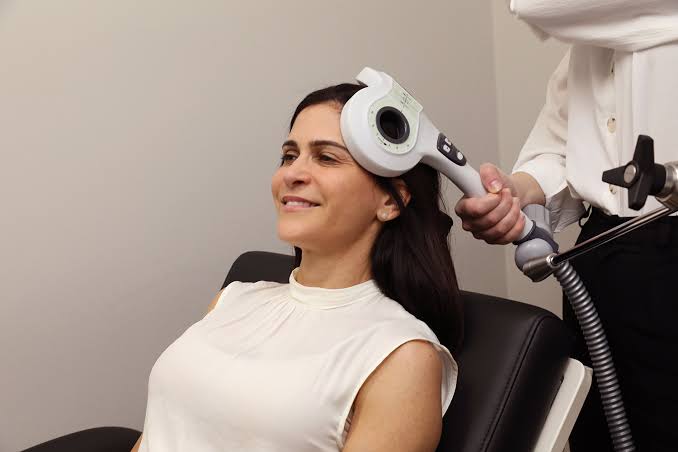

If you are considering Transcranial Magnetic Stimulation (TMS), one of the first questions you may have is: how many TMS sessions will I need? TMS is a non-invasive treatment that uses magnetic pulses to stimulate specific areas of the brain involved in mood regulation. For depression, a typical treatment course involves multiple sessions scheduled over several weeks, although the exact number depends on the treatment protocol, diagnosis, symptoms, and individual response.
For people exploring TMS in New York, understanding the treatment schedule can make it easier to plan appointments, work responsibilities, and other parts of daily life. This guide explains how TMS treatment works, how many sessions are commonly used, what happens during an appointment, and what you may experience throughout the treatment process.
What Is TMS Treatment?
Transcranial Magnetic Stimulation, commonly called TMS, is a non-invasive form of brain stimulation. It uses an electromagnetic coil placed against the scalp to deliver magnetic pulses to targeted areas of the brain.
Unlike treatments that require surgery or anesthesia, TMS is performed while you are awake and generally allows you to return to normal activities after a session. TMS may be considered for certain conditions, including major depressive disorder, particularly when standard treatments have not provided enough improvement. Different TMS devices and protocols may also be used for other FDA-cleared indications. For additional information about rTMS systems, treatment considerations, and safety, refer to the U.S. Food & Drug Administration (FDA).
When considering TMS in New York, a psychiatric evaluation is an important first step. A qualified clinician can review your symptoms, previous treatments, medications, medical history, and other factors to determine whether TMS may be appropriate for you.
How Many TMS Sessions Do You Need?
One of the most common questions patients ask when considering TMS is, how many TMS sessions are typically needed? For depression, a conventional TMS treatment plan often includes sessions five days a week for about four to six weeks. This means a patient may receive approximately 20 to 30 sessions, although the total can vary based on the treatment protocol and individual response.
Some treatment plans may involve around 30 to 36 sessions, while newer TMS protocols can use different schedules. Your psychiatrist will determine the appropriate number of sessions after reviewing your symptoms, treatment history, and response to TMS. This personalized approach helps ensure that the treatment schedule is based on your clinical needs rather than a fixed number of appointments.
There is no single number that works for every patient. Your psychiatrist or TMS provider may adjust the treatment plan according to:
- Your diagnosis and symptoms
- Your previous treatment history
- The type of TMS protocol being used
- How you respond during treatment
- Your treatment goals
- Your overall medical and psychiatric history
Some newer TMS approaches use shorter sessions or different treatment schedules. For example, theta-burst stimulation can provide stimulation in a shorter period than traditional protocols. Accelerated approaches may also use multiple sessions in a day in specialized settings.
For this reason, the number of sessions should be determined by your treating clinician rather than by a standard number found online.
Why Does TMS Require Multiple Sessions?
TMS is generally delivered as a course of repeated treatments rather than as a single appointment. Repeated stimulation is intended to produce changes in brain activity over time.
Improvement may not happen immediately. Some people begin noticing changes after several weeks, while others may require more time to experience meaningful symptom improvement. Mayo Clinic notes that symptom relief may take a few weeks of treatment.
This is one reason consistency matters. Missing appointments can make it harder to follow the planned treatment schedule, so patients should discuss scheduling concerns with their provider before beginning treatment.
When exploring TMS treatment options, consider asking the clinic how many appointments are normally expected, how long each visit takes, and what happens if you need to reschedule.
What Happens Before Your First TMS Session?
Before treatment begins, your provider will complete an assessment to determine whether TMS is a suitable option.
The evaluation may include a review of your mental health symptoms, previous treatments, medications, medical history, and other relevant factors. Your provider may also ask about metal or implanted medical devices because certain devices or objects can be affected by the magnetic field. A history of seizures and other medical considerations should also be discussed.
Your first appointment may also involve a process called mapping. During mapping, the clinician identifies the appropriate treatment location and determines the stimulation level for your individual treatment plan.
This individualized approach is important because TMS is not simply a one-size-fits-all procedure. Treatment parameters are established based on the patient and the protocol being used.
What Happens During a TMS Treatment?
During a TMS appointment, you usually sit comfortably in a treatment chair while an electromagnetic coil is positioned against your scalp.
The device delivers repeated magnetic pulses to the targeted area. You may hear clicking sounds and feel a tapping sensation on your scalp during stimulation. You remain awake and alert throughout the procedure.
The length of a session depends on the TMS technology and treatment protocol. Traditional rTMS sessions may take around 20 to 40 minutes, while some theta-burst protocols can be considerably shorter.
Your provider may monitor your comfort and make adjustments when appropriate. If the stimulation feels uncomfortable, tell the treatment team so they can evaluate the settings and your response.
What Does TMS Feel Like?
People can experience TMS differently, but common sensations include tapping or clicking around the treatment area.
Some patients may experience temporary scalp discomfort or a headache, particularly around the beginning of treatment. Mild facial muscle twitching can also occur. Most side effects are short-lasting, and serious complications such as seizures are considered very rare.
Because TMS does not require anesthesia, patients remain conscious during treatment. Unlike electroconvulsive therapy, rTMS does not involve inducing a seizure or general anesthesia.
Your provider should explain potential risks and benefits before treatment and give you an opportunity to discuss questions or concerns.
What Happens After Each TMS Session?
One practical benefit of TMS is that most people can return to their regular activities after treatment.
Mayo Clinic notes that patients can generally work and drive between treatments, although individual experiences can vary. A mild headache or scalp discomfort may occur after a session and typically improves quickly.
For patients receiving TMS in New York, this outpatient format can make it easier to incorporate treatment into an existing weekly routine. However, because treatment often takes place several days each week, planning ahead can help you maintain consistency.
When Will You Notice Results From TMS?
It is natural to want to know when you will feel better. However, TMS does not produce the same response in every patient.
Some people notice changes during the first few weeks, while others may need a longer treatment course. Your clinical team can monitor your symptoms throughout treatment and use your response to help guide ongoing care.
TMS is not guaranteed to work for everyone. The FDA’s guidance for rTMS emphasizes that patients should have realistic expectations about treatment benefits, possible complications, and the need for ongoing care.
If TMS improves your symptoms, your psychiatrist may also recommend continuing other forms of mental health care, such as medication or psychotherapy, depending on your individual needs.
Is TMS Treatment Right for You?
TMS may be considered when conventional depression treatments have not provided adequate relief. However, deciding whether TMS is appropriate requires an individualized clinical assessment.
Your psychiatrist may consider your diagnosis, symptom severity, previous medication or therapy experiences, medical history, current medications, and potential safety concerns.
If you are searching online for TMS therapy new york or TMS treatment near me, it is useful to look beyond location alone. Consider whether the provider offers a proper psychiatric evaluation, explains the treatment process clearly, monitors your response, and provides appropriate follow-up care.
A reputable treatment plan should be based on your clinical needs rather than simply a predetermined number of sessions.
Final Thoughts
The number of TMS sessions a person needs can vary depending on the treatment protocol, symptoms, and individual response. Understanding the treatment schedule, what happens during each session, and what to expect over the course of treatment can help patients make informed decisions about their care.
If you are researching TMS in New York, resources from psychiatric practices such as Cordial Psychiatry can also help you understand the treatment process and the factors a provider may consider when discussing TMS as part of mental health care.
Frequently Asked Questions
How many TMS sessions are usually needed for depression?
A common TMS treatment course for depression involves sessions five days per week for approximately four to six weeks. This may result in around 20 to 30 or more sessions, depending on the protocol and individual treatment plan. Some protocols use approximately 30 to 36 sessions. Your provider determines the appropriate schedule based on your clinical needs.
How long does each TMS session take?
Session length depends on the TMS protocol being used. Traditional rTMS treatments may take about 20 to 40 minutes, while some theta-burst protocols can take only a few minutes. Your provider can explain the expected duration before treatment begins.
Is TMS treatment painful?
TMS is generally well tolerated, but you may feel tapping or pressure on the scalp during stimulation. Some people experience temporary scalp discomfort or a headache. If the treatment becomes uncomfortable, tell your provider so the treatment settings can be evaluated.
Can I drive after a TMS session?
Because TMS does not normally require anesthesia or sedation, many patients can drive and return to normal activities after treatment. Mayo Clinic notes that patients can generally work and drive between sessions. Your provider can give you individualized guidance based on your circumstances.
How soon does TMS start working?
Results vary between individuals. Some patients may notice changes after several weeks, while others may require a longer course. Your treatment team can monitor your symptoms throughout the treatment process rather than relying on a fixed timeline.
Do I need TMS every day?
Many conventional TMS protocols are scheduled five days per week for several weeks. However, schedules vary according to the device, treatment protocol, diagnosis, and individual circumstances. Some newer approaches may use shorter or accelerated treatment schedules.
Can TMS be combined with medication or therapy?
TMS may be used alongside other forms of mental health treatment. After a TMS course, ongoing care may include medication, psychotherapy, or other treatments depending on the patient’s needs. Your psychiatrist can help determine how TMS fits into your overall treatment plan.
How do I find TMS treatment near me?
When searching for TMS treatment near me, consider the provider’s clinical qualifications, evaluation process, treatment protocol, appointment schedule, follow-up care, and location. If you are looking for TMS in New York, a consultation with a qualified psychiatric provider can help determine whether TMS is an appropriate option for your symptoms.
Start With a Personalized TMS Evaluation
The number of TMS sessions you need depends on more than a standard treatment schedule. Your diagnosis, symptoms, treatment history, response to stimulation, and the specific TMS protocol can all influence the plan.
If you are considering TMS, a professional evaluation can help you understand whether this treatment is appropriate and what your course of care may look like. For patients exploring TMS in New York, discussing your options with a qualified psychiatric team is a practical first step toward making an informed treatment decision.