
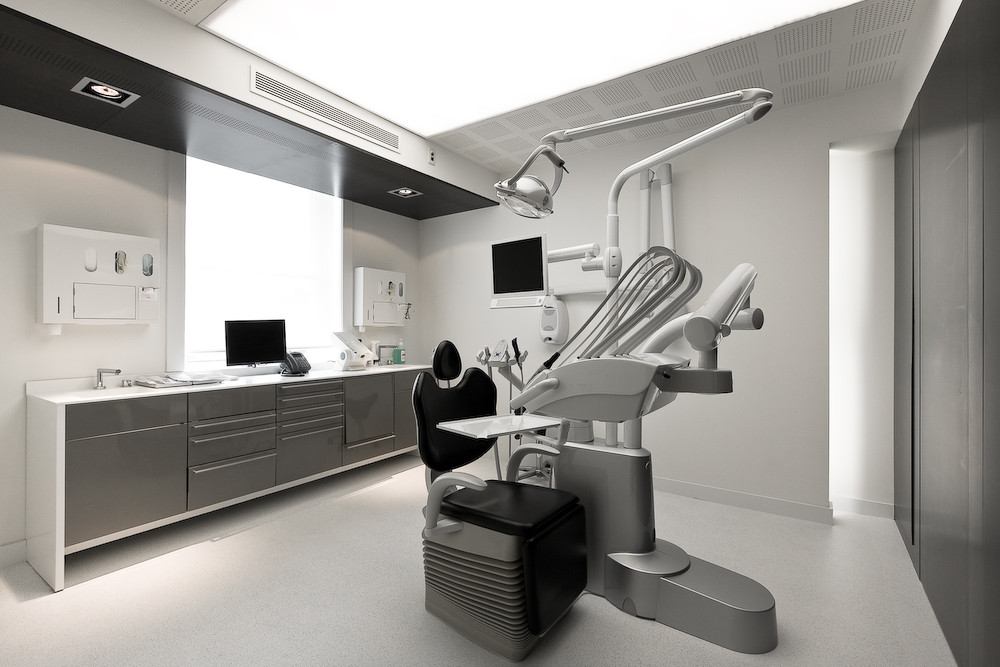

Regular dental visits are an important part of maintaining healthy teeth and gums. Even when there are no obvious symptoms, dental concerns can sometimes develop without causing noticeable discomfort. Dental Exams Cleanings provide an opportunity to monitor oral health, identify potential concerns early, and maintain a consistent preventive care routine.
For individuals and families, combining regular examinations with professional cleanings can support better long-term oral health and help keep everyday dental care on track.
What Are Dental Exams?
A dental exam is a professional evaluation of the teeth, gums, and other areas of the mouth. During an examination, a dental professional looks for signs of common concerns such as tooth decay, gum problems, damaged teeth, and changes in oral health.
Depending on the patient’s needs, dental imaging may also be recommended to provide information about areas that cannot be fully assessed through a visual examination.
Regular exams allow dental professionals to compare changes over time and determine whether any treatment or additional monitoring is necessary.
What Happens During a Dental Cleaning?
A professional dental cleaning focuses on removing plaque and tartar that can build up on the teeth. Even with consistent brushing and flossing at home, some buildup can be difficult to remove completely.
During a cleaning, dental professionals may use specialized instruments to clean the surfaces of the teeth and areas around the gumline. The teeth may then be polished to help remove certain surface stains and leave them feeling cleaner.
The exact cleaning process can vary depending on the patient’s oral health and individual needs.
Why Combine Exams and Cleanings?
Examinations and cleanings serve different purposes but work well together as part of preventive dental care.
An exam allows the dental team to assess oral health and identify potential concerns, while a professional cleaning helps manage plaque and tartar buildup.
Regular Dental Exams Cleanings may help:
- Monitor overall oral health
- Identify cavities at an early stage
- Check the condition of the gums
- Remove plaque and tartar
- Support better oral hygiene
- Monitor existing dental restorations
- Provide personalized home-care guidance
The recommended frequency of visits depends on individual oral health needs.
The Importance of Preventive Dental Care
Preventive care focuses on reducing the risk of dental problems rather than waiting until symptoms appear. Regular examinations can help identify concerns before they become more complicated, while professional cleanings can support healthy teeth and gums.
Preventive dental care also gives patients an opportunity to discuss changes they have noticed, such as sensitivity, bleeding gums, tooth discomfort, or changes in the appearance of their teeth.
Early communication can help the dental team determine whether additional evaluation is needed.
Dental Care for the Whole Family
People of different ages can have different dental needs. Children may need monitoring as their primary and permanent teeth develop, while adults may require attention to cavities, gum health, restorations, or tooth wear.
Older adults may also need ongoing monitoring of existing dental work, gum health, missing teeth, or other age-related oral changes.
A consistent dental care routine can make it easier to monitor these changes and provide appropriate care at different stages of life.
What Can Patients Do Between Appointments?
Professional dental visits are only one part of maintaining good oral health. Daily habits at home remain essential.
Patients should generally focus on:
- Brushing twice a day
- Cleaning between the teeth regularly
- Using fluoride toothpaste
- Limiting frequent sugary foods and drinks
- Drinking water regularly
- Replacing toothbrushes when needed
- Following personalized dental recommendations
Good home care can complement professional examinations and cleanings.
When Should You Schedule a Dental Exam?
Routine appointments should be maintained even when there is no pain or obvious dental problem. However, patients should not wait for a scheduled appointment if they experience persistent discomfort or notice a significant change in their oral health.
Symptoms such as tooth pain, swelling, bleeding gums, sensitivity, broken teeth, or other unusual changes may require a dental assessment sooner.
Choosing a Dental Practice
When looking for Dental Exams Cleanings, patients may want to consider whether a dental practice takes a preventive and personalized approach to care.
Factors worth considering include:
- Comprehensive dental examinations
- Professional cleaning services
- Preventive dental guidance
- Diagnostic imaging when appropriate
- Family dental care
- Clear communication about treatment
- Convenient ongoing appointments
My Smile Family Dental provides patients and families with an opportunity to maintain regular dental care while discussing individual oral health concerns with a dental team.
Final Thoughts
Regular dental examinations and professional cleanings can play an important role in maintaining healthy teeth and gums. Exams help monitor oral health and identify potential concerns, while cleanings help manage plaque and tartar buildup.
For patients considering Dental Exams Cleanings, maintaining a consistent appointment schedule and practicing good oral hygiene at home can provide a strong foundation for long-term dental health. Regular professional care also gives patients an opportunity to address concerns before they become more difficult to manage.
