
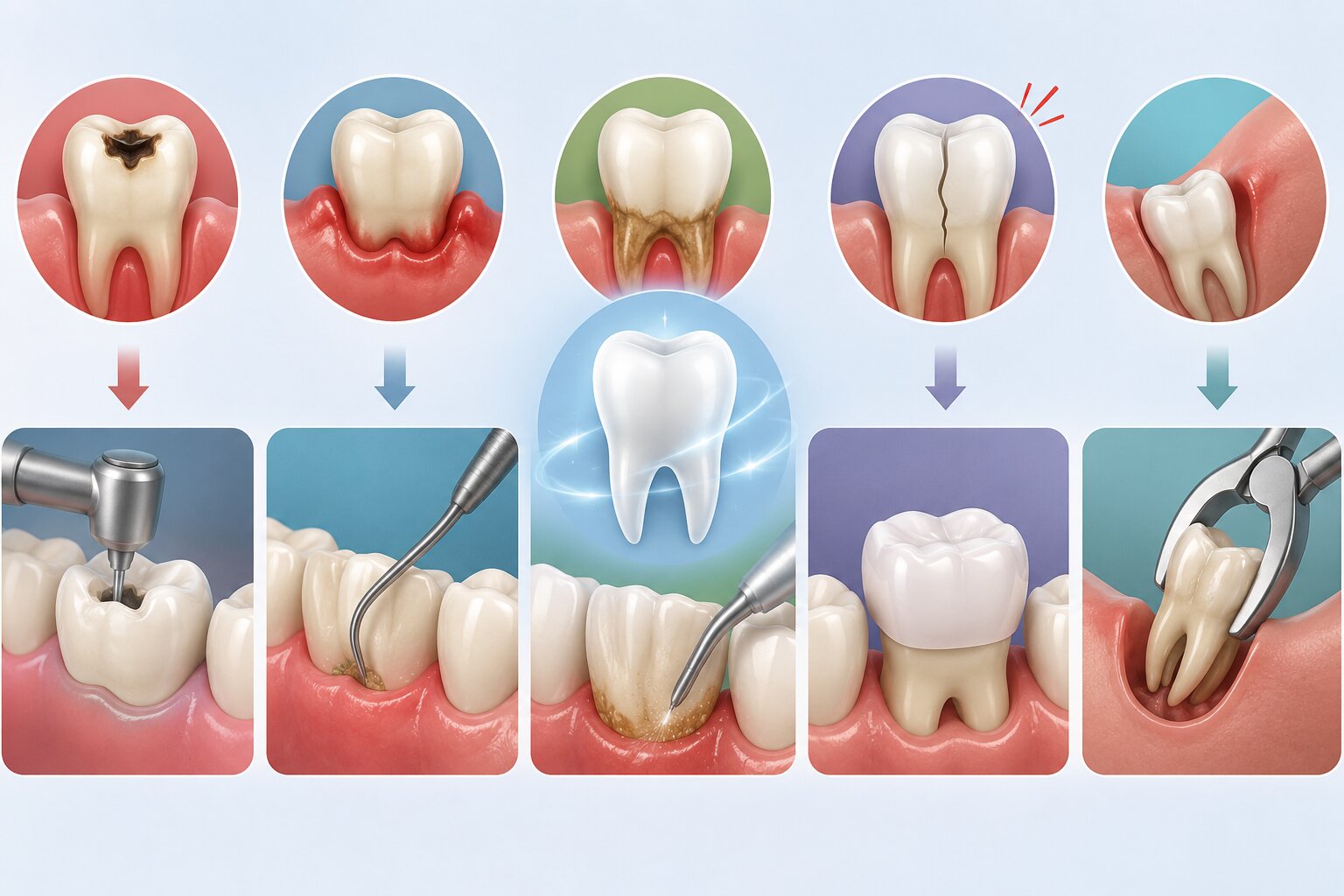

A healthy smile depends on more than just having clean-looking teeth. Many dental problems develop slowly and may not cause noticeable symptoms until they become more serious. This is why understanding common oral health concerns and learning how to prevent them can make a significant difference in maintaining strong teeth and healthy gums.
From cavities and gum problems to tooth sensitivity and dental injuries, different issues can affect people of all ages. While some conditions are related to daily habits, others may develop because of genetics, lifestyle factors, previous dental history, or changes inside the mouth.
The good news is that many dental problems can be reduced with consistent care, regular checkups, and early attention when concerns appear. A trusted Dental Care Clinic helps patients identify risks, maintain good oral hygiene, and receive appropriate care before minor issues become more complicated.
For individuals looking for reliable Dental Care in Toms River, understanding common dental concerns is the first step toward making better decisions about protecting their smile.
Why Understanding Common Dental Problems Matters
Dental problems are not always limited to pain or visible damage. Some conditions begin quietly and progress over time without obvious warning signs.
For example, early tooth decay may not cause discomfort, but it can continue damaging the tooth structure. Similarly, gum problems may begin with mild bleeding that many people ignore until more advanced symptoms develop.
Knowing what to watch for allows patients to take action earlier.
Common warning signs may include:
- Tooth sensitivity
- Gum bleeding
- Persistent bad breath
- Tooth pain
- Changes in tooth appearance
- Difficulty chewing
- Swelling around the gums
Regular dental visits help identify these concerns and allow dentists to recommend suitable Dental treatment based on individual needs.
Tooth Decay and Cavities
Why Cavities Develop
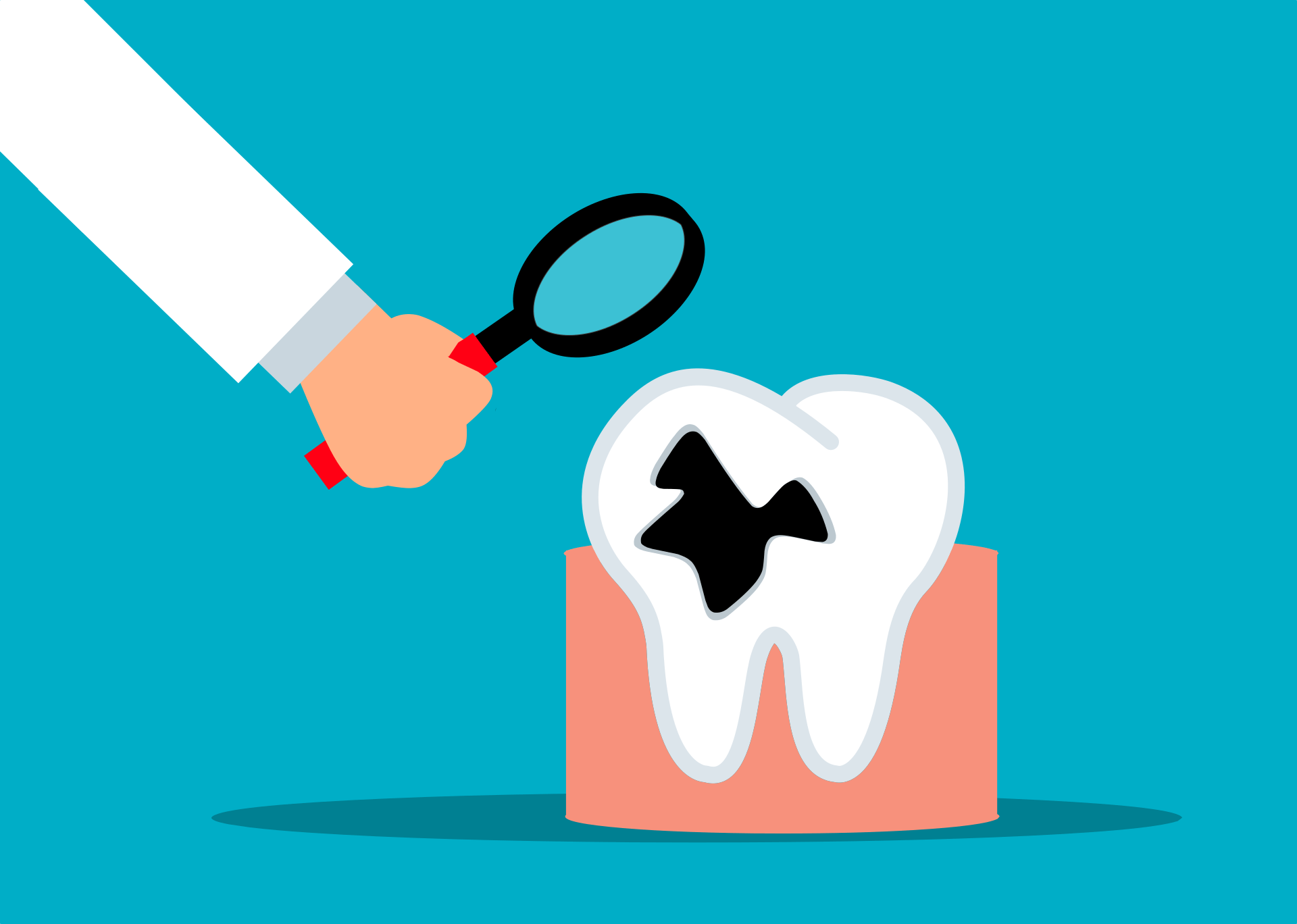
Tooth decay is one of the most common dental problems. It occurs when bacteria in the mouth combine with sugars from food and drinks, creating acids that gradually weaken tooth enamel.
Over time, this process can create small holes or damage within the tooth.
Factors that may increase cavity risk include:
- Poor brushing habits
- Frequent sugary snacks
- Inadequate flossing
- Dry mouth
- Irregular dental visits
- Existing enamel weakness
Cavities can affect anyone, including children and adults, which is why prevention is an important part of maintaining oral health.
How To Prevent Cavities
Preventing cavities starts with consistent daily habits.
Helpful steps include:
Brush Regularly
Brushing twice a day helps remove plaque and bacteria that contribute to decay.
Clean Between Teeth
Flossing or using recommended cleaning tools helps remove buildup from areas a toothbrush cannot reach.
Limit Frequent Sugar Exposure
Reducing frequent sugary foods and drinks can help lower the amount of acid exposure on teeth.
Schedule Routine Dental Visits
Professional examinations allow dentists to identify early signs of decay and recommend treatment when necessary.
When cavities are discovered early, treatment is often simpler and helps protect more of the natural tooth structure.
Gum Disease and Gum Inflammation
Understanding Gum Problems
Healthy gums are essential because they support and protect your teeth. Gum disease usually begins with plaque buildup around the gumline, which can irritate the tissues.
Early gum inflammation may cause:
- Red or swollen gums
- Bleeding during brushing
- Tenderness
- Bad breath
Without proper care, gum problems may become more advanced and affect the structures supporting the teeth.
Preventing Gum Disease
Good gum health requires both home care and professional monitoring.
Preventive steps include:
- Brushing along the gumline
- Flossing regularly
- Getting professional cleanings
- Avoiding tobacco products
- Addressing gum symptoms early
A dental professional can evaluate gum health during routine appointments and recommend appropriate care.
When Gum Problems Need Professional Attention
If gum bleeding or swelling continues, it is important to schedule an evaluation. Persistent symptoms may indicate that additional treatment is needed.
Professional Dental treatment for gum concerns may include deep cleaning procedures, improved hygiene guidance, or other therapies depending on the severity of the condition.
Tooth Sensitivity
Common Causes of Sensitive Teeth
Tooth sensitivity occurs when the inner layers of the tooth become more exposed or irritated. Many people notice discomfort when consuming hot, cold, sweet, or acidic foods.
Possible causes include:
- Enamel erosion
- Gum recession
- Tooth grinding
- Cracked teeth
- Aggressive brushing
- Certain dental procedures
Sensitivity can range from mild discomfort to sharp, sudden pain.
Ways To Reduce Tooth Sensitivity
Patients can often reduce sensitivity by improving their daily oral care routine.
Helpful tips include:
- Using a soft-bristle toothbrush
- Avoiding excessive brushing pressure
- Using toothpaste designed for sensitive teeth
- Maintaining regular dental visits
- Addressing underlying dental concerns
If sensitivity continues, a dentist can determine whether there is an underlying issue requiring attention.
Tooth Grinding and Jaw Problems
Why Teeth Grinding Happens
Many people grind or clench their teeth without realizing it, especially during sleep. This habit can place extra pressure on teeth and jaw muscles.
Over time, grinding may contribute to:
- Worn tooth surfaces
- Jaw discomfort
- Tooth sensitivity
- Headaches
- Cracked teeth
Stress, sleep patterns, and bite-related factors may contribute to grinding.
Preventing Damage From Grinding
A dentist can evaluate signs of grinding and recommend appropriate solutions.
Possible approaches may include:
- Custom mouthguards
- Stress management techniques
- Monitoring tooth wear
- Adjustments based on dental evaluation
Protecting teeth from excessive pressure helps maintain their strength and function.
Missing or Damaged Teeth
Why Teeth Become Damaged or Lost
Teeth can become damaged because of decay, injuries, gum disease, or normal wear over time.
Missing teeth can affect more than appearance. They may influence:
- Chewing ability
- Speech
- Bite balance
- Confidence
Replacing missing teeth can help restore function and improve smile appearance.
Treatment Options for Missing Teeth
Depending on the situation, dental professionals may discuss options such as:
- Dental implants
- Bridges
- Dentures
The right choice depends on factors including oral health, bone support, personal goals, and overall dental condition.
A dentist can explain available solutions and create a treatment plan based on individual needs.

Dental Infections and Abscesses
Recognizing Signs of Infection
A dental infection can occur when bacteria reach deeper areas of the tooth or surrounding tissues.
Possible symptoms include:
- Severe tooth pain
- Swelling
- Fever
- Bad taste in the mouth
- Sensitivity
- Facial discomfort
Dental infections should not be ignored because they may require prompt professional care.
What To Do During a Dental Infection
If you notice signs of infection, contacting a dental provider is recommended.
An Emergency Dentist in Toms River may help evaluate urgent symptoms and determine the appropriate next steps.
Emergency care may focus on reducing discomfort, controlling infection, and protecting the affected tooth.
Patients experiencing swelling, severe pain, or signs of spreading infection should seek professional advice as soon as possible.
Oral Injuries and Dental Emergencies
Common Dental Injuries
Accidents can happen unexpectedly and may result in dental emergencies.
Examples include:
- Knocked-out teeth
- Cracked teeth
- Broken restorations
- Soft tissue injuries
Quick action after an injury can sometimes improve available treatment options.
How To Prevent Dental Emergencies
While not every accident can be avoided, some precautions can reduce risks.
Helpful habits include:
- Wearing protective equipment during sports
- Avoiding chewing extremely hard objects
- Addressing weak teeth early
- Maintaining regular dental care
Knowing where to seek help before an emergency happens can also make stressful situations easier to manage.
The Importance of Regular Dental Care
Preventive dental care is one of the most effective ways to maintain a healthy smile. Routine examinations allow dentists to monitor changes and provide recommendations based on your oral condition.
Regular visits may include:
- Dental examinations
- Professional cleanings
- Oral health education
- Personalized prevention plans
A consistent relationship with a dental provider helps patients stay ahead of potential problems.
At Sun Dental, patients can receive guidance focused on maintaining healthy teeth and understanding their available dental care options.
Building Better Habits for Lifelong Oral Health
Protecting your smile requires a combination of professional care and daily habits.
Important practices include:
Maintain Daily Hygiene
Brush twice daily and clean between teeth to reduce plaque buildup.
Keep Regular Appointments
Routine visits help detect problems early and support preventive care.
Pay Attention to Changes
New discomfort, sensitivity, swelling, or changes in your teeth should not be ignored.
Follow Professional Recommendations
Your dentist can provide advice based on your unique oral health needs.
These simple steps can help reduce dental risks and support healthier teeth over time.
Choosing The Right Dental Care Provider
Finding the right dental provider is an important part of maintaining long-term oral health. Patients should choose a practice that focuses on prevention, communication, and personalized care.
A quality dental provider should:
- Explain treatment options clearly
- Provide comprehensive services
- Focus on patient comfort
- Encourage preventive habits
For patients in Toms River, NJ, having access to reliable dental care allows them to address concerns early and maintain their smile with professional support.
Final Thoughts
Dental problems are common, but many can be prevented with proper care, regular dental visits, and early attention to symptoms. Cavities, gum disease, sensitivity, infections, and dental injuries all require different approaches, which is why professional evaluation is important.
A trusted dental provider helps patients understand their oral health and receive the right care at the right time.
By practicing good daily habits and maintaining regular appointments with a Dental Care Clinic, you can protect your teeth, support healthy gums, and enjoy a stronger smile for years to come.
Frequently Asked Questions
What are the most common dental problems patients experience?
Common dental problems include cavities, gum disease, tooth sensitivity, infections, tooth damage, and missing teeth. Regular dental visits help identify these issues early and provide appropriate preventive or restorative care.
How can I prevent common dental problems?
You can reduce dental risks by brushing daily, flossing, limiting sugar, maintaining regular dental appointments, and addressing oral symptoms early before they become more serious.
When should I visit an emergency dentist?
You should contact an emergency dentist for severe tooth pain, facial swelling, dental injuries, uncontrolled bleeding, or signs of infection that require immediate professional evaluation and care.