
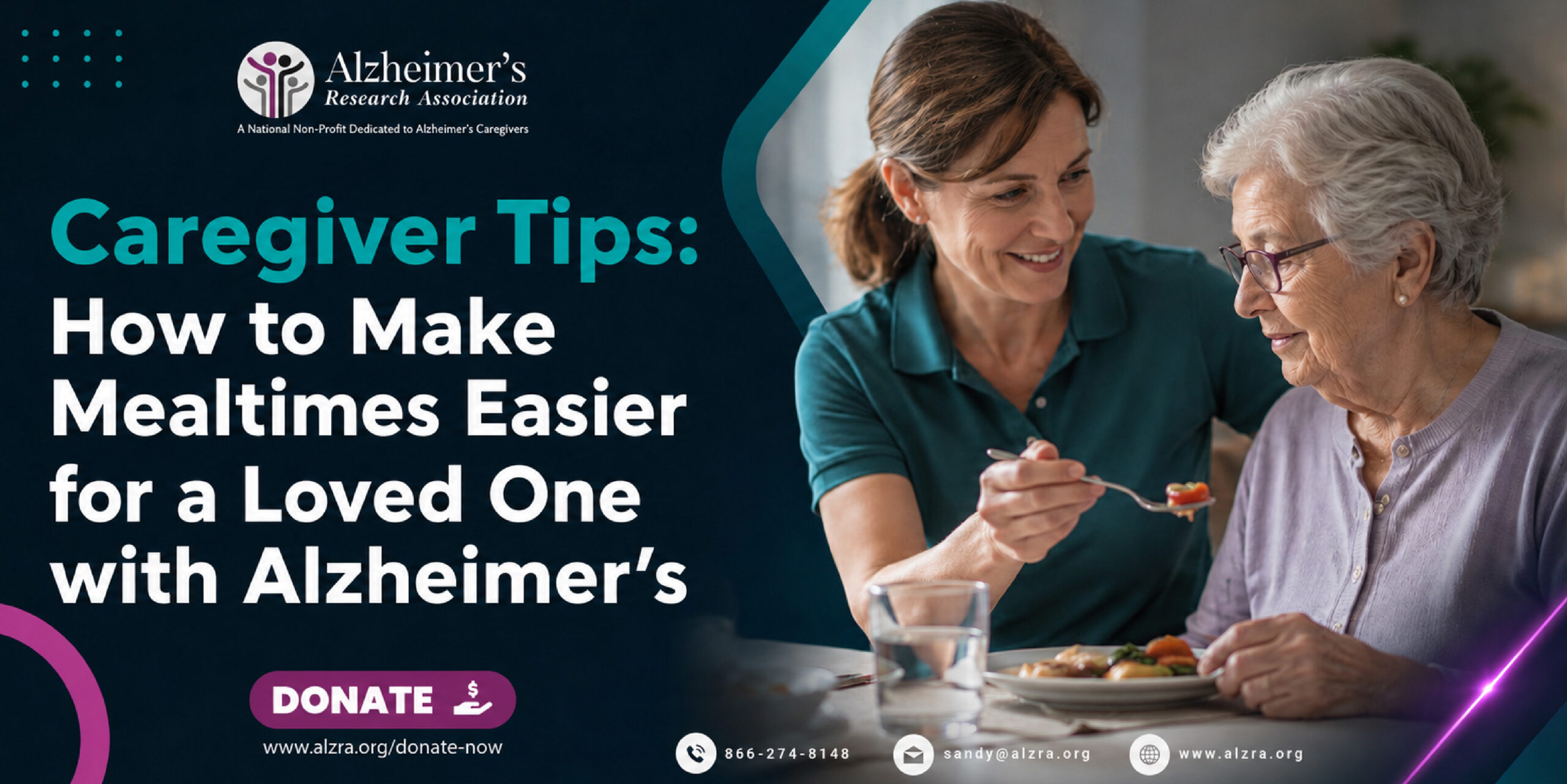

Caring for a loved one with Alzheimer’s brings many emotional and practical challenges, and mealtimes often become unexpectedly stressful. What was once a simple, familiar routine can gradually turn into a moment filled with confusion, hesitation, or even resistance.
Your loved one may forget how to use utensils, lose interest in food they once enjoyed, or feel overwhelmed by too much noise or too many choices. At the same time, you may find yourself worrying about whether they are eating enough, staying hydrated, or maintaining their overall health.
These changes can be difficult, especially when mealtimes have always been tied to comfort and connection. However, with a few thoughtful adjustments, you can make this part of the day calmer and more manageable.
This article offers practical tips on how to make mealtimes easier for your loved one with dementia.
Why Mealtimes Become Challenging
Alzheimer’s disease gradually affects the brain in ways that interfere with everyday activities, including eating. Your loved one may forget when they last ate or may not recognize hunger cues at all. Familiar foods can suddenly seem unfamiliar, and utensils may no longer feel intuitive to use.
In addition, changes in motor skills can make chewing and swallowing more difficult, while environmental distractions can easily overwhelm their ability to focus.
It is important to recognize that these challenges are not intentional behaviors but symptoms of the disease. Understanding this can help you approach mealtimes with empathy and patience rather than frustration.
Caregiver Tips to Make Mealtimes Easier For Someone with Alzheimer’s
With the right strategies, you can gently transform mealtimes into a calmer, more supportive part of the day, one that promotes both nourishment and connection.
Here are a few tips to help you make mealtimes easier for your loved one with Alzheimer’s.
Keep a Consistent Routine
Consistency provides a sense of security for someone living with Alzheimer’s. When meals are served at the same time and in the same place each day, it creates a predictable rhythm that reduces confusion and anxiety. Over time, your loved one may begin to anticipate meals even if they cannot consciously track time.
Rather than asking open-ended questions like “Are you hungry?”, which may feel overwhelming, gently guide them with simple statements such as “It’s time for lunch now.” It removes pressure and makes the transition into mealtime smoother and more reassuring.
Simplify the Eating Environment
A calm, distraction-free environment can make a significant difference in how comfortably your loved one eats. Background noise from televisions, radios, or conversations can compete for their attention, making it harder to focus on eating.
Try to create a peaceful setting by turning off unnecessary noise and keeping the dining area uncluttered. A simple table setting with only essential items helps reduce confusion. When the environment feels calm and predictable, your loved one is more likely to remain engaged with their meal.
Offer Simple Food Choices
Decision-making becomes increasingly difficult with Alzheimer’s, and too many options can lead to frustration or withdrawal. Instead of presenting a wide range of choices, limit options to one or two simple alternatives.
For example, you might say, “Would you like tea or milk?” instead of asking an open-ended question. This approach reduces cognitive strain and allows your loved one to focus on eating rather than choosing.
Make Food Easy to Eat
As coordination and motor skills decline, complicated meals can feel overwhelming. Foods that require cutting, scooping, or precise handling may lead to frustration or even avoidance.
To make eating easier, prepare meals that are soft, bite-sized, and manageable. Finger foods such as small sandwiches, fruit slices, or cooked vegetables can encourage independence and confidence. When your loved one can eat with less effort, they are more likely to enjoy the experience and maintain adequate nutrition.
Use Visual Contrast
Visual perception changes are common in Alzheimer’s, making it difficult to distinguish between food, plates, and the table surface. This can result in uneaten food simply because it is not clearly visible.
Using plates and bowls that contrast with the color of the food can help your loved one better recognize what is in front of them. For example, serving light-colored food on a darker plate improves visibility. Avoid busy patterns or designs, as these can be visually confusing and distracting.
Encourage Hydration
Dehydration is a frequent concern for people with Alzheimer’s, as they may not recognize thirst or remember to drink fluids. This issue can lead to additional health issues, including fatigue, confusion, and urinary tract infections.
Offer fluids regularly throughout the day rather than waiting for your loved one to ask. Water, milk, soups, and smoothies are all good options. Using lightweight, easy-to-hold cups can also make drinking more manageable. Gentle reminders such as “Let’s have a sip of water” can help maintain hydration without creating pressure.
Be Patient and Supportive
Mealtimes may take longer than they used to, and your loved one may need extra time to chew, swallow, or stay focused. Rushing them can increase anxiety and make eating more difficult.
Allow meals to unfold at a comfortable pace. Offer assistance when needed calmly and respectfully. Demonstrating how to use utensils or gently guiding their hand can be helpful. Your tone and body language matter; staying relaxed and encouraging can make the entire experience feel safer and more positive.
Watch for Changes in Appetite
It is common for appetite to fluctuate in individuals with Alzheimer’s. Some days they may eat well, while on others they may show little interest in food. These changes can be influenced by mood, physical discomfort, or disease progression.
Instead of focusing on large meals, consider offering smaller portions more frequently throughout the day. Pay attention to any signs of difficulty chewing or swallowing, and adjust food textures accordingly. Monitoring these patterns can help you respond proactively and ensure your loved one continues to receive proper nutrition.
Turn Meals Into Moments of Connection
Mealtimes are about more than just food; they are opportunities for emotional connection. Sitting down together, making eye contact, and sharing a quiet moment can bring comfort and reassurance to your loved one.
Keep conversation simple and positive, even if responses are limited. A warm smile or gentle presence can communicate more than words. These shared moments can help reduce feelings of isolation and make mealtimes something to look forward to.
Adapt as Needs Change
Alzheimer’s is a progressive condition, meaning your loved one’s needs will change over time. Strategies that work today may need adjustment in the future.
Stay attentive to changes in behavior, preferences, and abilities. You may need to modify food textures, adjust meal timing, or introduce new approaches to support their comfort. Flexibility is key; what matters most is creating an environment where your loved one feels safe, supported, and respected.
Key Takeaway
Making mealtimes easier for someone with Alzheimer’s disease is not about perfection but about thoughtful adaptation. By creating a calm environment, simplifying choices, and responding with patience, you can reduce stress and improve the overall experience.
These small, consistent efforts can have a lasting impact, helping your loved one maintain dignity, nourishment, and a sense of connection.
Alzheimer’s Research Association is a non-profit organization dedicated to helping caregivers of Alzheimer’s disease and dementia. We provide the latest information and news about the illness and helpful tips to help caregivers cope with their daily caregiving challenges. We realize the most important thing that a caregiver needs is financial assistance. Therefore, we provide grants to caregivers to ease their financial burden. Caregivers can apply for grants here: Alzheimer’s Grant Application.
You can also help caregivers in their endeavor by donating as much as possible: Donation To Alzheimer’s Research Associations.
References
- Food and Eating. Alzheimer’s Association. https://www.alz.org/help-support/caregiving/daily-care/food-eating. Accessed: 5th June, 2026.
- Supporting someone with dementia to eat and drink. Alzheimer’s Society. https://www.alzheimers.org.uk/get-support/living-with-dementia/improving-eating-experience-dementia. Accessed: 5th June, 2026.
- Eating. Alzheimer’s Research Association. https://www.alzra.org/alzheimers-caregiver-tips/eating/. Accessed: 5th June, 2026.
- Tips for Caregivers: Helping People With Alzheimer’s Disease Eat Well. NIH. https://www.nia.nih.gov/health/alzheimers-caregiving/tips-caregivers-helping-people-alzheimers-disease-eat-well. Reviewed: 28th June, 2024. Accessed: 5th June, 2026.