
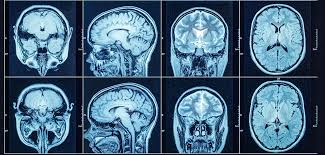

When you’re searching for a nearby ct scan centre, it usually means you need fast, reliable, and accurate diagnostic imaging. Whether it’s for detecting internal injuries, diagnosing chronic conditions, or monitoring treatment progress, CT scans play a crucial role in modern healthcare. But not all imaging centres are the same, and choosing the right one can make a significant difference in your overall experience and results.
In this comprehensive guide, we’ll explore everything you need to know—from understanding how CT scans work to selecting the best facility for your needs.
What Is a CT Scan and Why Is It Important?
A CT (Computed Tomography) scan is an advanced imaging technique that uses X-rays and computer processing to create detailed cross-sectional images of the body. Unlike traditional X-rays, CT scans provide a more comprehensive view of organs, bones, blood vessels, and soft tissues.
Key Benefits of CT Scans
- Quick and painless procedure
- Highly detailed images
- Helps detect diseases early
- Guides doctors in treatment planning
Factors to Consider When Choosing a CT Scan Facility
Not all diagnostic centres offer the same level of service. Here are the most important factors to evaluate:
1. Technology and Equipment
Modern CT scanners provide higher resolution images with lower radiation exposure. Always check if the nearby ct scan centre uses updated equipment.
2. Qualified Radiologists
Experienced professionals ensure accurate interpretation of scan results. A skilled radiologist can detect even minor abnormalities.
3. Hygiene and Safety Standards
Cleanliness and adherence to safety protocols are critical, especially in medical environments.
4. Turnaround Time
Fast reporting can be crucial in emergencies. Choose a centre known for timely results.
Understanding the CT Scan Process
Before the Scan
You may be asked to avoid food or drinks for a few hours, depending on the type of scan. Sometimes, a contrast dye is used to enhance image clarity.
During the Scan
You’ll lie on a table that slides into the scanner. The machine rotates around you, capturing images. The process is painless and usually takes 10–30 minutes.
After the Scan
You can typically resume normal activities immediately. If contrast dye was used, you may be advised to drink plenty of fluids.
Choosing a reliable nearby ct scan centre ensures that each step is handled smoothly and professionally.
Cost and Accessibility
CT scan costs can vary depending on location, type of scan, and technology used. While affordability matters, it’s equally important not to compromise on quality.
Tips to Manage Costs
- Compare pricing across centres
- Check for insurance coverage
- Look for health packages or discounts
Importance of Location and Convenience
When dealing with medical needs, convenience plays a big role. A centrally located imaging facility reduces travel stress, especially for elderly patients or emergencies.
What to Look For
- Easy accessibility via public transport
- Parking availability
- Flexible appointment scheduling
Selecting a conveniently located nearby ct scan centre can save valuable time and effort.
Common Types of CT Scans
Different medical conditions require different types of scans. Here are some commonly performed ones:
1. Brain CT Scan
Used to detect strokes, tumors, and head injuries.
2. Chest CT Scan
Helps diagnose lung diseases, infections, and heart conditions.
3. Abdominal CT Scan
Used for detecting issues in organs like the liver, kidneys, and pancreas.
4. Spine CT Scan
Useful for identifying fractures, disc problems, and spinal abnormalities.
How to Prepare for a Better Experience
Preparation can make your scan smoother and more efficient.
Practical Tips
- Wear comfortable, loose clothing
- Remove metal objects like jewelry
- Inform the technician about allergies or medical conditions
- Follow all pre-scan instructions carefully
By preparing well, your visit to a nearby ct scan centre becomes stress-free and efficient.
The Role of CT Scans in Early Diagnosis
Early detection is often the key to successful treatment. CT scans can identify diseases at an early stage, sometimes even before symptoms appear.
Conditions Commonly Detected
- Cancer
- Internal injuries
- Infections
- Blood clots
Having access to a dependable nearby ct scan centre ensures timely diagnosis and better health outcomes.
Final Thoughts
Choosing the right imaging facility is more than just a matter of convenience—it’s about accuracy, safety, and peace of mind. From advanced technology to experienced professionals, every factor contributes to the quality of your diagnosis. When you carefully evaluate your options and select a trusted nearby ct scan centre, you take an important step toward better healthcare and informed medical decisions.
FAQs
1. What is the difference between a CT scan and an MRI?
A CT scan uses X-rays to create images, while an MRI uses magnetic fields and radio waves. CT scans are faster and commonly used in emergencies.
2. Is a CT scan painful?
No, the procedure is completely painless. You may feel slight discomfort if contrast dye is used, but it’s generally minimal.
3. How long does it take to get CT scan results?
Results are usually available within a few hours to a couple of days, depending on the facility.
4. Are CT scans safe?
Yes, they are generally safe. However, they do involve low levels of radiation, so they are used only when necessary.
5. Can I eat before a CT scan?
It depends on the type of scan. Some require fasting, while others do not. Always follow your doctor’s instructions.
