
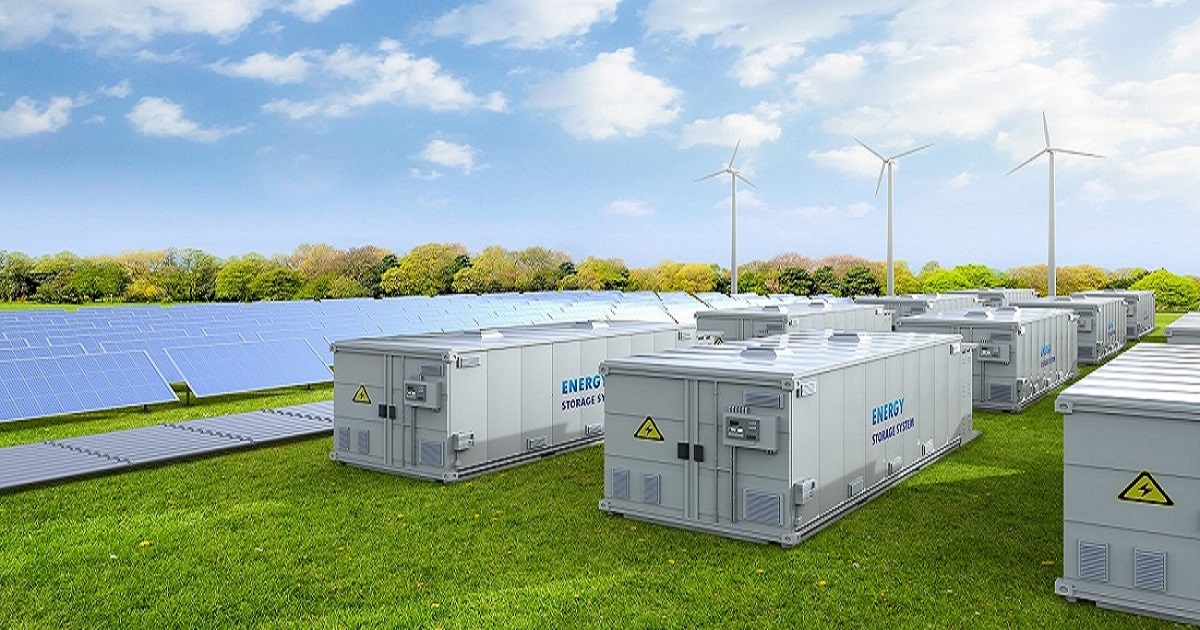

If you own a solar system in Pakistan, you already know the frustration. Panels produce plenty of power at noon, yet the lights go out at night, or the grid bill still arrives. Rising tariffs, unpredictable outages, and less generous buyback rates have changed the game. This is why Battery Energy Storage in Pakistan has moved from a luxury to a practical necessity for homes, shops, factories, and farms.
We explain which Battery Energy Storage in Pakistan works best, how to size your bank, what it costs, and the mistakes to avoid. Whether you are in Lahore, Karachi, Multan, or a smaller town, you will find advice you can use immediately.
Why Solar Owners in Pakistan Need Backup Power
Solar panels only generate electricity during daylight. Your heaviest usage, however, often begins after sunset, when fans, ACs, lights, and TVs run together. Without a storage unit, that evening demand falls back on the grid.
Several local realities make storage even more valuable:
- Frequent load shedding and voltage fluctuations, especially in rural areas and during summer peaks.
- Higher electricity tariffs that make every grid unit expensive.
- Changing net metering policies, where the rate you earn for exported units may be lower than the rate you pay for imported ones. Policies keep evolving, so check the latest NEPRA and DISCO rules before you decide.
- Sensitive equipment, such as medical devices, servers, and machinery, that cannot tolerate sudden shutdowns.
A good battery lets you store surplus daytime energy and use it at night. That means more self-consumption and less dependence on the grid.
Types of Batteries Available in the Pakistani Market
Choosing the right chemistry is the most important decision you will make. Here are the main options.
Lithium Iron Phosphate (LiFePO4) Batteries
These are the current favorite for solar users. They offer a long cycle life (often 4,000 to 6,000 cycles), deep discharge capability, light weight, and almost zero maintenance. Their higher upfront price is offset by years of reliable service. They also tolerate Pakistan’s heat better than most alternatives, though proper ventilation still matters.
Tubular Lead-Acid Batteries
These remain popular because of their low initial price and easy availability. The catch is a shorter lifespan, regular water top-ups for flooded types, and a recommended depth of discharge of only around 50%. For a small home on a tight budget, they can still make sense.
Gel and AGM Batteries
Gel and AGM batteries are sealed, maintenance-free lead-acid variants. They suit people who want lower upkeep but cannot yet afford lithium. They cost more than basic tubular models but typically last longer.
Quick comparison: If you want the lowest lifetime cost per usable unit, lithium usually wins. If you want the cheapest starting point, tubular lead-acid wins.
Best Battery Energy Storage Pakistan: What to Look For
When comparing models, do not be swayed by the sticker price alone. Evaluate these factors:
Usable Capacity and Depth of Discharge
A 10 kWh battery rated at 90% depth of discharge gives you about 9 kWh of usable energy. A lead-acid bank of the same nominal size might give you only half of that. Always ask for usable capacity.
Cycle Life and Warranty
Look for at least 5 to 10 years of warranty and a clearly stated cycle count. Be cautious about vague promises with no written terms.
Inverter Compatibility
Your battery must communicate properly with your hybrid inverter. Brands such as Growatt, Solis, Huawei, Sungrow, and Victron have approved battery lists. Mismatched systems lead to errors, reduced performance, or voided warranties.
Built-In Battery Management System (BMS)
A quality BMS protects against overcharging, overheating, and short circuits. This is non-negotiable for lithium units.
Local Support and Spare Parts
A cheap import with no after-sales service becomes expensive quickly. Choose a supplier with local technicians and a track record you can verify.
How to Size Your Solar Battery Bank
Oversizing wastes money, and undersizing leaves you in the dark. Follow this simple process.
Step 1: List your critical loads. Note the wattage and daily running hours of each appliance you want to power during an outage.
Step 2: Calculate daily energy use. Multiply watts by hours and add everything up. For example:
- 4 ceiling fans (75 W each) for 8 hours = 2.4 kWh
- 10 LED lights (10 W each) for 5 hours = 0.5 kWh
- 1 refrigerator (150 W average) for 24 hours = 3.6 kWh
- 1 inverter AC (1,200 W) for 4 hours = 4.8 kWh
Total: roughly 11.3 kWh per day.
Step 3: Decide your backup goal. Many families want only 4 to 6 hours of night backup, while others want a full day.
Step 4: Add a safety margin. Add 15 to 20% for inverter losses and battery aging.
In this example, a 10 to 15 kWh lithium bank would cover most of the evening and overnight needs, while the AC could be limited to a few hours.
Estimated Costs and Return on Investment
Prices change with the dollar rate, import duties, and brand, so treat the following as general guidance rather than fixed quotes.
- Lead-acid systems generally cost less upfront but may need replacing every 3 to 5 years.
- Lithium systems cost more initially but can operate for 10 years or longer.
To judge your return, compare the cost per cycle rather than the purchase price. A battery that costs twice as much but lasts three times longer is the better investment. Also factor in your avoided grid purchases, reduced generator fuel use, and protection from outage-related losses. For shops and small factories, avoiding even a few hours of downtime each week can pay back a system faster than expected.
Residential vs. Commercial Storage Needs
For Homes
Homeowners usually need 5 to 15 kWh of storage to cover lights, fans, refrigerators, Wi-Fi, and occasional AC use. Wall-mounted lithium units save space and look tidy.
For Businesses and Industry
Factories, cold storage units, hospitals, and offices need larger, scalable systems, often in the range of tens or hundreds of kWh. They benefit from peak shaving, where stored power is used during costly peak-tariff hours. Professional system design, three-phase compatibility, and remote monitoring become essential here.
For Agriculture
Tube-well owners and farms can use storage to smooth out irregular supply and run motors with soft starters during off-peak solar hours.
Choosing a Reliable Installer
Even the best battery performs poorly when installed badly. Wiring quality, breaker selection, earthing, ventilation, and correct inverter settings all determine system life.
Working with an experienced provider like Alpine Industrial Con helps you avoid common pitfalls. A good installer will survey your site, analyze your electricity bills, recommend the right capacity, and provide clear documentation and after-sales support. Always ask any provider for references, warranty terms in writing, and a detailed quotation that lists every component.
Common Mistakes to Avoid
- Buying the cheapest unbranded lithium pack with no BMS information.
- Ignoring the inverter’s approved battery list.
- Running the battery down to zero regularly.
- Skipping surge protection in lightning-prone areas.
- Trusting verbal promises instead of written warranties.
Energy independence is no longer a distant dream for Pakistani households and businesses. With the right planning, Battery Energy Storage in Pakistan can cut your electricity costs, protect your appliances, and keep your life running smoothly through outages. Focus on usable capacity, quality chemistry, inverter compatibility, and professional installation. For most users in 2026, LiFePO4 offers the best long-term value, while budget-conscious buyers can still start with quality tubular or gel batteries and upgrade later.
FAQs
1. Which battery is best for a solar system in Pakistan?
For most users, a LiFePO4 lithium battery is the best choice because of its long life, deep discharge capability, and low maintenance. Tubular lead-acid is a suitable budget alternative.
2. How long does a solar battery last in Pakistan’s climate?
Lithium batteries commonly last 8 to 12 years with proper care, while lead-acid models usually last 3 to 5 years. High temperatures can shorten both, so good ventilation is important.
3. How many kWh of storage does an average home need?
A typical urban home usually needs 5 to 15 kWh, depending on whether you want to run an AC at night. A proper load calculation gives the most accurate answer.
4. Can I add a battery to my existing on-grid solar system?
Often yes, but it depends on your inverter. You may need a hybrid inverter or an AC-coupled battery solution. A technical survey will confirm the best method.
5. Is battery storage worth it if I have net metering?
It depends on your current buyback rate, your outage frequency, and your evening consumption. If your export rate is much lower than your import tariff, or if outages are common, storage can be a smart investment.