

Vasectomy and Silent Inflammation Markers
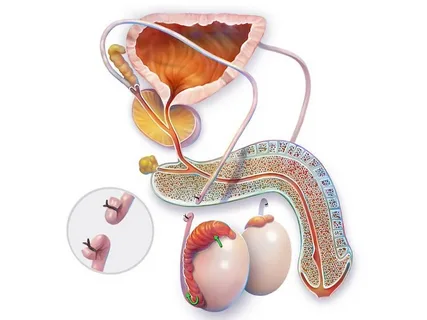
A vasectomy is one of the most reliable and widely performed forms of permanent male contraception. The procedure involves cutting or sealing the vas deferens to prevent sperm from entering semen. While vasectomy is considered safe and minimally invasive, researchers continue to study the body’s biological response after the procedure. One area gaining attention is the role of silent inflammation markers following vasectomy.
Silent inflammation refers to low-grade inflammatory activity that occurs without obvious symptoms such as pain, swelling, or fever. In many patients, these biological changes are temporary and clinically insignificant. However, studying silent inflammation markers helps researchers better understand healing patterns, immune responses, and long-term tissue adaptation after vasectomy.
Understanding Inflammation After Vasectomy
Inflammation is a natural response triggered when the body experiences tissue injury or surgical intervention. During a vasectomy, small surgical changes occur in the scrotal tissues and vas deferens. The immune system reacts by sending inflammatory cells to begin tissue repair.
Most men recover quickly with little discomfort. However, even when symptoms disappear, certain microscopic inflammatory processes may continue for a short period. These processes are known as silent or subclinical inflammation because they are detectable mainly through laboratory markers rather than physical symptoms.
Medical researchers study these markers to evaluate how the body heals after vasectomy and whether any long-term immune activity develops.
Common Silent Inflammation Markers
Several biomarkers are associated with silent inflammation after surgical procedures, including vasectomy. These markers are usually identified through blood tests or tissue studies.
C-Reactive Protein (CRP)
C-reactive protein is one of the most common inflammation markers in medicine. After minor surgical procedures, CRP levels may rise slightly as part of the normal healing response. In vasectomy patients, temporary increases in CRP are generally mild and short-lived.
Higher CRP levels may indicate that the immune system is actively repairing tissue damage. In uncomplicated vasectomy cases, CRP usually returns to baseline within days or weeks.
Interleukin-6 (IL-6)
Interleukin-6 is a cytokine involved in immune regulation and inflammation. Studies have shown that IL-6 may increase briefly after surgical procedures, including vasectomy. Elevated IL-6 levels often reflect tissue healing and immune activation rather than infection.
Researchers are particularly interested in IL-6 because persistent elevation may be linked to chronic inflammatory conditions. However, long-term IL-6 elevation after vasectomy is uncommon.
Tumor Necrosis Factor-Alpha (TNF-α)
TNF-α is another inflammatory cytokine associated with immune system activity. Some studies suggest that vasectomy can trigger temporary immune responses involving TNF-α due to sperm exposure outside the reproductive tract.
Because sperm cells are normally isolated from the immune system, their leakage after vasectomy may stimulate mild immune recognition. This process is usually harmless but scientifically important in understanding post-vasectomy inflammation.
Anti-Sperm Antibodies and Immune Activation
One of the most studied biological effects of vasectomy is the formation of anti-sperm antibodies. After vasectomy, sperm may accumulate and break down inside the reproductive system. When sperm proteins become exposed to immune cells, the body may identify them as foreign substances.
This immune response can lead to antibody production. In many men, anti-sperm antibodies do not cause symptoms or health problems. However, their presence demonstrates how vasectomy can create measurable immune system activity even without noticeable inflammation.
Researchers sometimes consider anti-sperm antibodies indirect markers of silent inflammatory processes.
Why Silent Inflammation Matters
Most vasectomy patients experience no major complications. Nevertheless, studying silent inflammation markers provides important clinical benefits.
Improving Recovery Monitoring
Tracking inflammatory markers may help physicians better understand individual healing patterns. Some patients recover more rapidly than others, and biomarkers may explain these differences.
Identifying Rare Complications
Persistent inflammation markers may occasionally indicate complications such as infection, granuloma formation, or chronic pain syndromes. Early detection allows physicians to intervene before symptoms worsen.
Advancing Surgical Techniques
Research into inflammation helps improve vasectomy methods. Less invasive approaches, including no-scalpel vasectomy techniques, are associated with reduced tissue trauma and potentially lower inflammatory responses.
Supporting Long-Term Safety Research
Large-scale studies continue to confirm that vasectomy is generally safe and effective. Monitoring silent inflammation markers contributes to ongoing safety evaluations and strengthens evidence-based medical guidelines.
Sperm Granulomas and Local Inflammation
A sperm granuloma is a small lump that may form when sperm leak from the cut vas deferens. This condition is usually benign and painless, but it reflects localized inflammatory activity.
Granulomas develop because the immune system reacts to escaped sperm cells. In some cases, inflammatory markers may remain mildly elevated while the body contains and stabilizes the area.
Interestingly, some experts believe small granulomas may reduce pressure buildup within the reproductive tract and potentially lower discomfort risk.
Chronic Post-Vasectomy Pain and Inflammation
A small percentage of men develop chronic post-vasectomy pain syndrome (CPVPS). Although the exact cause remains unclear, researchers suspect inflammation may contribute in certain cases.
Possible mechanisms include:
- Nerve irritation
- Epididymal pressure buildup
- Persistent immune activation
- Microscopic scarring
- Local inflammatory responses
Scientists continue investigating whether silent inflammatory markers could help predict which patients are more likely to develop chronic discomfort after vasectomy.
No-Scalpel Vasectomy and Reduced Inflammatory Response
Modern no-scalpel vasectomy techniques are designed to minimize tissue damage and speed recovery. Compared with traditional incisional methods, no-scalpel procedures generally produce:
- Less bleeding
- Smaller wounds
- Reduced swelling
- Lower infection risk
- Faster healing
These advantages may also reduce silent inflammatory activity. Studies suggest minimally invasive techniques are associated with lower postoperative cytokine elevations and fewer inflammatory complications.
Lifestyle Factors That Influence Inflammation
Certain lifestyle factors can affect inflammatory responses after vasectomy. Patients who maintain healthy habits often experience smoother recovery.
Smoking
Smoking increases systemic inflammation and delays wound healing. Smokers may experience prolonged inflammatory marker elevation after surgery.
Obesity
Excess body fat is associated with chronic low-grade inflammation. Obese individuals may have higher baseline inflammatory markers before vasectomy.
Diet and Hydration
Balanced nutrition and adequate hydration support tissue repair and immune regulation after surgery.
Physical Activity
Avoiding strenuous activity during early recovery reduces unnecessary tissue stress and inflammatory irritation.
Current Research Directions
Medical research on vasectomy and silent inflammation markers continues to evolve. Scientists are currently exploring:
- Genetic factors influencing inflammatory responses
- Biomarkers linked to chronic pain risk
- Long-term immune system adaptation
- Comparative outcomes between vasectomy techniques
- The role of cytokines in tissue healing
Most findings continue to support the overall safety of vasectomy while improving understanding of biological healing processes.
Conclusion
Vasectomy remains one of the safest and most effective permanent contraceptive procedures available. Although the surgery triggers temporary immune and inflammatory responses, most changes are mild, silent, and part of normal healing.
Silent inflammation markers such as CRP, IL-6, TNF-α, and anti-sperm antibodies provide researchers with valuable insights into post-vasectomy recovery and tissue adaptation. These biomarkers help physicians study healing patterns, improve surgical methods, and monitor rare complications.
As research advances, understanding silent inflammation may further enhance patient care, recovery strategies, and long-term outcomes following vasectomy.
FAQs
1. What are silent inflammation markers after vasectomy?
Silent inflammation markers are biological substances in the body, such as CRP or IL-6, that indicate low-grade immune activity without obvious symptoms like pain or swelling.
2. Is inflammation after vasectomy dangerous?
In most cases, mild inflammation after vasectomy is normal and temporary. Serious inflammatory complications are rare, especially when proper surgical techniques and recovery guidelines are followed.
3. Can vasectomy permanently affect the immune system?
Vasectomy can lead to immune responses such as anti-sperm antibody formation, but current research shows no major harmful long-term immune system effects in most men.

