
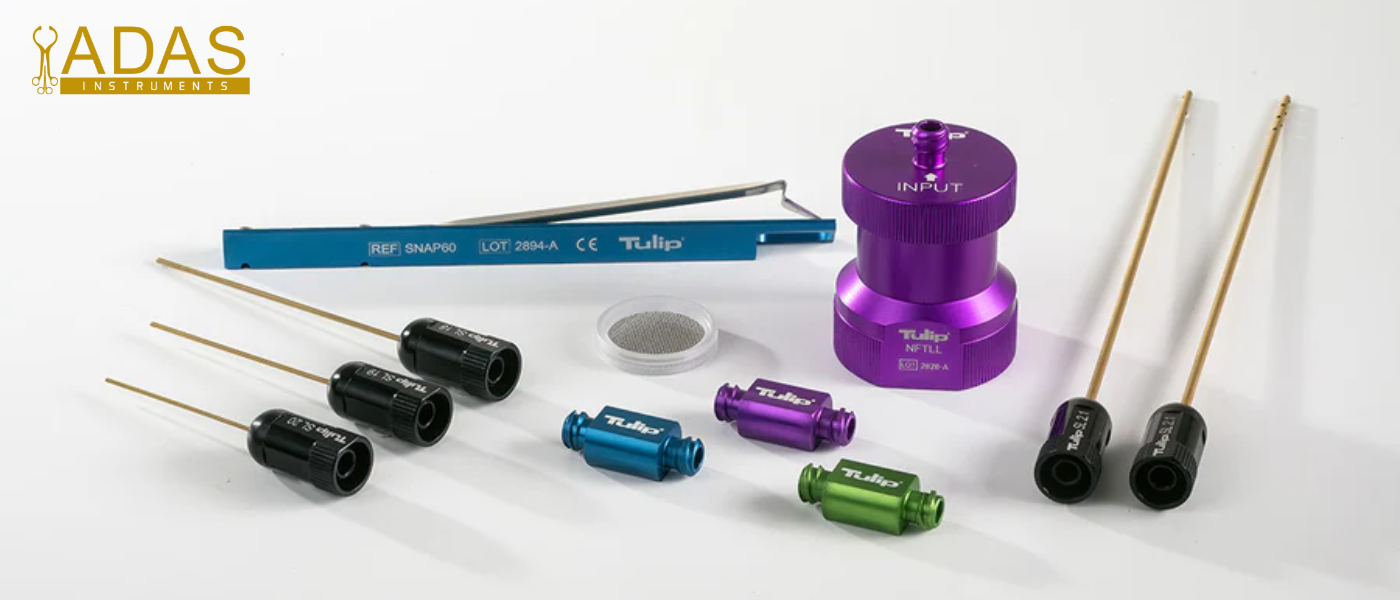

Fat grafting, also known as fat transfer or lipofilling, has become one of the most advanced and natural methods in aesthetic and reconstructive surgery. It involves harvesting fat from one part of the body and injecting it into another area to restore volume, enhance contours, or improve tissue quality. At the center of this delicate procedure lies a critical instrument: the fat injection cannula.
A fat injection cannula is a specially designed tube-like surgical tool used to inject purified fat cells into targeted areas with precision and minimal trauma. Its role is essential in ensuring even fat distribution, high survival rates of fat cells, and smooth aesthetic results.
In this article, we will explore the importance, types, applications, features, and benefits of fat injection cannulas in modern cosmetic and reconstructive surgery.
Importance of Fat Injection Cannulas
Fat transfer procedures require extreme precision because the survival of fat cells depends on how gently and accurately they are handled during injection. Unlike traditional fillers, fat is a living tissue that must be carefully placed to maintain its viability.
Fat injection cannulas are important because they:
- Ensure smooth and controlled fat placement
- Minimize trauma to surrounding tissues
- Improve fat cell survival rates
- Reduce bruising and swelling
- Enhance symmetry and natural results
Without proper cannulas, fat grafting procedures would result in uneven distribution, low fat retention, and poor aesthetic outcomes.
Structure and Design of Fat Injection Cannulas
Fat injection cannulas are designed with precision engineering to support safe and effective fat transfer. Although they appear simple, their design is highly specialized.
1. Hollow Tube Design
The cannula is a thin, hollow tube that allows fat to flow smoothly from syringe to tissue.
2. Rounded or Blunt Tip
Unlike sharp needles, fat injection cannulas have a blunt tip to reduce the risk of damaging blood vessels, nerves, and surrounding tissues.
3. Multiple Side Holes
Many cannulas have small side openings that allow fat to be distributed evenly as it is injected.
4. Flexible Shaft
The shaft is designed to be flexible yet strong enough to navigate through soft tissue layers.
5. Ergonomic Hub
The hub connects to syringes and allows surgeons to control fat flow with precision.
Types of Fat Injection Cannulas
Different types of fat injection cannulas are used depending on the procedure and target area.
1. Straight Cannulas
These are used for general fat injection procedures and provide direct control over fat placement.
2. Curved Cannulas
Curved designs help surgeons reach difficult or angled areas such as the face or buttocks.
3. Micro Cannulas
Micro cannulas are extremely fine and used for delicate areas like under the eyes, lips, and facial contouring.
4. Multi-Hole Cannulas
These cannulas have multiple openings to ensure even fat distribution and smoother results.
5. Blunt Tip Cannulas
Blunt tip cannulas are widely used in modern fat grafting due to their safety and reduced risk of tissue injury.
Applications of Fat Injection Cannulas
Fat injection cannulas are used in a wide variety of cosmetic and reconstructive procedures.
1. Facial Rejuvenation
Fat grafting is commonly used to restore volume in cheeks, under-eye hollows, lips, and temples.
2. Breast Augmentation
Fat transfer is a natural alternative to implants, and cannulas are used to enhance breast volume and shape.
3. Buttock Augmentation
Known as Brazilian Butt Lift (BBL), this procedure uses fat injection cannulas to sculpt and enhance body curves.
4. Hand Rejuvenation
Fat grafting helps restore youthful appearance to aging hands by adding volume and reducing visible veins.
5. Scar Treatment
Fat injection improves skin texture and reduces the appearance of scars and depressions.
6. Reconstructive Surgery
Used in patients recovering from trauma, burns, or surgical defects to restore natural contours.
How Fat Injection Cannulas Work
The process of fat injection involves several steps, and the cannula plays a key role in each stage:
- Fat is first harvested from donor areas using liposuction
- The fat is purified and processed
- The cannula is attached to a syringe containing the prepared fat
- The surgeon inserts the cannula into the target area
- Fat is slowly and evenly injected in multiple layers
This layering technique ensures better fat survival and natural-looking results.
Features of High-Quality Fat Injection Cannulas
A professional-grade fat injection cannula must meet strict medical standards to ensure safety and performance.
Precision Engineering
The cannula must allow controlled and accurate fat delivery.
Surgical-Grade Stainless Steel
High-quality stainless steel ensures durability, corrosion resistance, and sterilization safety.
Smooth Surface Finish
A polished surface reduces friction and tissue trauma during insertion.
Optimal Flexibility
The cannula should be flexible enough to navigate tissue planes without bending or breaking.
Compatibility with Syringes
It must easily connect with standard surgical syringes for smooth fat transfer.
Advantages of Using Fat Injection Cannulas
Fat injection cannulas offer several important benefits in aesthetic and reconstructive surgery.
1. Improved Fat Survival
Gentle injection techniques increase the chances of fat cell survival.
2. Reduced Tissue Trauma
Blunt tips minimize damage to blood vessels and surrounding tissues.
3. Natural Results
Even distribution of fat creates smooth and natural contours.
4. Lower Risk of Complications
Reduced trauma lowers the risk of bleeding, swelling, and infection.
5. Greater Surgical Control
Surgeons can precisely control volume and placement of fat.
Role in Modern Aesthetic Surgery
Fat grafting has become a preferred method in cosmetic surgery due to its natural results and long-lasting effects. Fat injection cannulas play a crucial role in this evolution.
Modern advancements have made cannulas:
- More precise
- Safer for delicate tissues
- Better suited for minimally invasive procedures
- More efficient in fat delivery
These improvements have significantly enhanced patient satisfaction and surgical outcomes.
Maintenance and Care of Fat Injection Cannulas
Proper care ensures long-lasting performance and patient safety.
Cleaning
Cannulas must be thoroughly cleaned after every procedure.
Sterilization
They should be sterilized using approved medical methods such as autoclaving.
Inspection
Regular checks are necessary to detect bending, blockage, or damage.
Storage
Cannulas should be stored in protective trays to maintain their shape and hygiene.
Conclusion
The fat injection cannula is an essential instrument in modern fat grafting procedures, enabling surgeons to achieve precise, safe, and natural-looking results. Its specialized design allows for controlled fat delivery, improved cell survival, and minimal tissue trauma.
As aesthetic and reconstructive surgery continues to advance, the demand for high-quality cannulas will continue to grow. These instruments are not just tools—they are key components in delivering artistry, precision, and patient satisfaction in fat transfer procedures.
In the world of modern cosmetic surgery, success depends on precision—and fat injection cannulas make that precision possible.
