
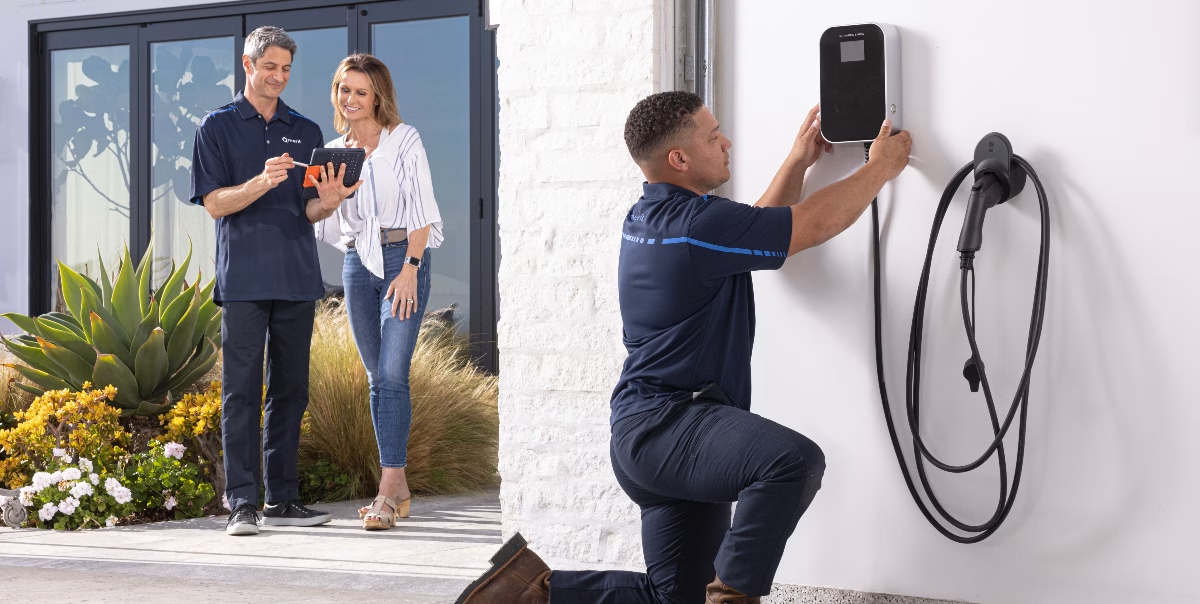

As electric vehicles become more common in my daily environment, I’ve realized that charging infrastructure is no longer a luxury feature. It is a core part of home electrical planning. At first glance, installing an EV charger might seem like a simple plug and play task, but the reality is far more complex. After looking into the technical and safety requirements, I’ve come to understand why professional EV charger installation is not just recommended, but essential.
A properly installed EV charging station directly impacts safety, efficiency, and long term electrical system performance. Whether it’s a Level 1, Level 2, or even a higher capacity setup, the installation process involves electrical load calculations, panel assessment, permitting, and code compliance. These are not areas where guesswork is acceptable.
Understanding EV Charger Types and Electrical Demand
Before diving into installation, I had to understand the difference between EV charger types. Level 1 chargers typically use standard household outlets, but they are slow and not practical for regular use. Level 2 chargers, which are the most common for residential installations, require a dedicated 240 volt circuit and significantly increase charging speed.
This is where electrical demand becomes critical. A Level 2 charger can draw anywhere between 30 to 80 amps depending on the model. That kind of load cannot be added casually to an existing electrical system. It requires careful evaluation of the home’s electrical panel capacity, wiring condition, and overall load distribution.
Without proper assessment, the risk of overload, tripped breakers, or even electrical hazards increases significantly.
Why Electrical Panel Capacity Matters
One of the first things I learned is that not every home electrical panel is ready for EV charging. Older panels, especially those rated at 100 amps or less, often struggle to support modern electrical demands.
When an EV charger is added without proper upgrades, the system may become unbalanced. This can lead to frequent breaker trips or overheating of circuits. In some cases, panel upgrades are necessary to safely accommodate the additional load.
This is where professional evaluation becomes critical. A licensed electrician can perform a load calculation to determine whether the existing panel can support an EV charger or if an upgrade is required.
Safety Risks of Improper Installation
One of my biggest concerns was safety. EV chargers operate at high continuous loads for extended periods, sometimes several hours at a time. If wiring is not properly rated or connections are not securely installed, the risk of overheating increases.
Electrical fires, arc faults, and insulation damage are all potential consequences of improper installation. These risks are not theoretical. They are real, especially when DIY installations or unqualified work is involved.
Proper installation includes correct wire gauge selection, dedicated circuit installation, grounding, and adherence to National Electrical Code requirements. These standards exist to prevent failures and ensure long term reliability.
The Role of Permits and Code Compliance
Another aspect I initially underestimated was permitting. In most regions, EV charger installation requires electrical permits and inspections. This ensures that the installation meets local safety regulations and building codes.
Skipping this step can lead to complications later, especially during home inspections or insurance claims. Professional installers understand these requirements and handle the permitting process as part of the service.
Load Management and Smart Charging Integration
Modern EV charging systems often include smart load management features. These systems help balance electricity usage across the home to prevent overload. For example, if the HVAC system and EV charger are running simultaneously, smart systems can adjust charging speed to maintain stability.
While researching broader electrical system support, I came across scenarios similar to Commercial Electrical Repair service environments, where load balancing and system reliability are critical. The same principles apply in residential EV charging setups. Proper load management ensures that all systems operate safely without interfering with each other.
Long Term Efficiency and Cost Savings
Professional installation also has a direct impact on long term efficiency. A properly installed EV charger operates at optimal performance, reducing energy loss and ensuring consistent charging speeds.
Poor installations, on the other hand, can lead to inefficiencies such as voltage drops or overheating connections. These issues not only affect performance but can also increase electricity costs over time.
In my experience, investing in correct installation upfront eliminates many future problems that could be far more expensive to fix.
Integration with Home Electrical Systems
An EV charger is not an isolated device. It becomes part of the entire home electrical ecosystem. This means it must work harmoniously with other major systems such as HVAC, water heaters, kitchen appliances, and lighting circuits.
I learned that proper integration requires a full understanding of electrical distribution within the home. In some cases, balancing loads across phases or installing subpanels may be necessary to maintain stability.
Working with experienced professionals like APEX Electrical A/C And Heating LLC gave me a clearer understanding of how EV charging fits into the broader electrical and HVAC infrastructure of a home. Their approach highlighted how interconnected these systems really are, especially in modern energy efficient homes.
Future Proofing the Electrical System
One of the biggest advantages of professional EV charger installation is future readiness. Electric vehicle technology is evolving rapidly, and charging requirements may increase over time.
By installing a properly rated circuit and ensuring adequate panel capacity, I can accommodate future upgrades without needing major rewiring. This kind of forward planning adds long term value to the home and reduces future renovation costs.
Reliability and Peace of Mind
Ultimately, what stands out most to me is reliability. Knowing that the system has been installed correctly, tested, and certified gives me confidence every time I plug in my vehicle.
There is a significant difference between a system that simply works and one that is designed to perform safely and efficiently under continuous load. Professional installation ensures that difference is achieved.
Final Thoughts
Installing an EV charger is not just an electrical upgrade. It is an infrastructure decision that impacts safety, efficiency, and long term home value. The complexity of electrical load management, code compliance, and system integration makes professional installation essential.
From my perspective, the investment in expert installation pays off through improved safety, better performance, and long term reliability. As electric vehicles become a standard part of modern living, ensuring that home charging systems are properly installed is no longer optional. It is a necessary step toward a safer and more efficient energy future.

