
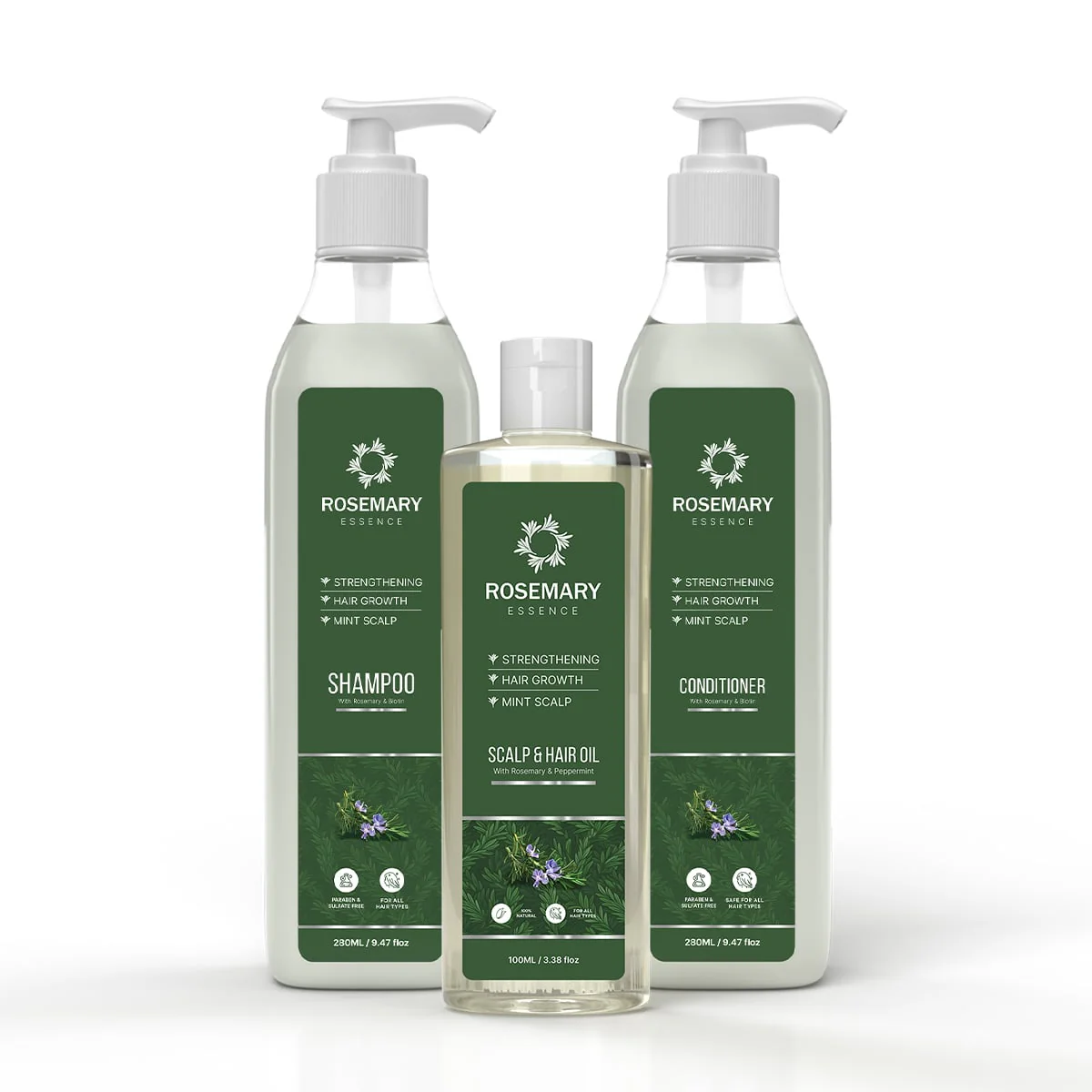

Hair loss and thinning have become common concerns in today’s fast-paced world. From stress and pollution to hormonal imbalances, there are countless reasons why people struggle with hair health. As a result, the debate between natural remedies like rosemary oil and chemical treatments like minoxidil, steroids, or serums has gained massive attention.
But here’s the real question: What actually works? Let’s break rosemary oil for hair growth it down with science, real-world insights, and practical advice.
Understanding Hair Loss: The Root of the Problem
Before comparing solutions, it’s important to understand that hair loss isn’t a one-size-fits-all issue. It can be caused by:
- Genetics (androgenetic alopecia)
- Hormonal imbalances
- Nutritional deficiencies
- Stress and illness
- Harsh hair treatments
This matters because the effectiveness of any treatment—natural or chemical—depends on the cause of hair loss.
What Is Rosemary Oil?
Rosemary oil is a natural essential oil extracted from the rosemary plant. It has been used for centuries in traditional medicine for scalp health and hair growth.
Modern research suggests that rosemary oil may:
- Improve blood circulation to the scalp
- Reduce inflammation
- Strengthen hair follicles
- Provide antioxidant and antimicrobial benefits
These properties make it appealing as a natural alternative to chemical treatments.
Does Rosemary Oil Really Work?
The answer is: partially, but with limitations.
Some studies show promising results. For example, research comparing rosemary oil with minoxidil (a popular hair loss drug) found that both improved hair count after 6 months, with no significant difference between them .
Another review suggests rosemary oil may work by improving scalp circulation and supporting follicle regeneration .
However, there’s a catch:
- Results take time (often 3–6 months)
- Evidence is still limited
- It may not work for all types of hair loss
In short, rosemary oil can help—but it’s not a miracle cure.
What Are Chemical Hair Treatments?
Chemical treatments for hair loss include:
- Minoxidil (Rogaine) – FDA-approved topical treatment
- Finasteride – Oral medication that blocks DHT
- Steroid injections or creams – For autoimmune hair loss
- Laser therapy – Stimulates follicles
These treatments are backed by more extensive clinical research and are often prescribed by dermatologists.
How Effective Are Chemical Treatments?
Chemical treatments generally provide stronger and faster results, especially for genetic hair loss.
For example:
- Minoxidil is proven to stimulate hair regrowth rosemary oil price in pakistan and slow hair loss
- Finasteride targets the hormone responsible for pattern baldness
- Steroids can help in conditions like alopecia areata
However, they come with trade-offs:
- Possible side effects (itching, dryness, hormonal effects)
- Long-term dependency
- Higher cost over time
Experts often recommend these treatments because they are clinically tested and regulated, unlike most natural remedies .
Rosemary Oil vs Chemical Treatments: Key Differences
1. Effectiveness
- Chemical treatments: Strong, clinically proven results
- Rosemary oil: Mild to moderate results, slower progress
While rosemary oil has shown comparable effects in some studies, the evidence is still limited and less reliable.
2. Safety and Side Effects
- Rosemary oil: Generally safer, but can cause irritation if undiluted
- Chemicals: More side effects, including scalp irritation or hormonal issues
Interestingly, studies found less scalp itching with rosemary oil compared to minoxidil .
3. Cost and Accessibility
- Rosemary oil: Affordable and widely available
- Chemical treatments: More expensive, often require prescriptions
4. Time to See Results
- Rosemary oil: 3–6 months (or longer)
- Chemical treatments: Faster visible changes
5. Long-Term Use
- Rosemary oil: Sustainable for long-term use
- Chemical treatments: Often require continuous use to maintain results
What Real Users Are Saying (Community Insights)
Online discussions reveal mixed opinions.
On Reddit, some users say:
“Rosemary caused less irritation and is worth trying.”
Others argue:
“There’s no strong evidence it works… better to start effective treatment early.”
Another discussion highlights that while both rosemary oil and low-dose minoxidil showed similar results, the improvements were modest and took months .
This reflects a common theme:
👉 Natural remedies may help—but expectations should be realistic.
When Should You Choose Rosemary Oil?
Rosemary oil is a good option if:
- You prefer natural, chemical-free solutions
- You have mild hair thinning
- You want to improve scalp health
- You’re sensitive to medications
It works best as a supportive treatment, not a primary cure.
When Are Chemical Treatments Better?
Chemical treatments are more suitable if:
- You have genetic hair loss (pattern baldness)
- Hair loss is severe or progressive
- You need faster, proven results
- A dermatologist recommends them
In these cases, relying only on natural remedies may delay effective treatment.
Can You Combine Both?
Yes—and this is often the smartest approach.
Many experts suggest combining:
- Chemical treatments (for regrowth)
- Natural oils like rosemary (for scalp health)
This balanced method may improve results while minimizing side effects.
The Final Verdict: What Really Works?
Here’s the honest truth:
- Chemical treatments work better overall for hair regrowth, especially in medical conditions
- Rosemary oil can help, but mainly as a supportive or mild treatment
- Neither is a one-size-fits-all solution
Experts emphasize that rosemary oil should not replace proven treatments, especially for serious hair loss conditions .
Conclusion: Choose Smart, Not Trendy
The internet is full of viral trends promising instant hair growth—but real results come from understanding your hair’s needs.
- If you want safe, natural support, rosemary oil is worth trying
- If you need real, noticeable regrowth, chemical treatments are more reliable
- For best results, consider combining both under professional guidance
At the end of the day, the “best” solution isn’t about natural vs chemical—it’s about what works for your specific condition.
