
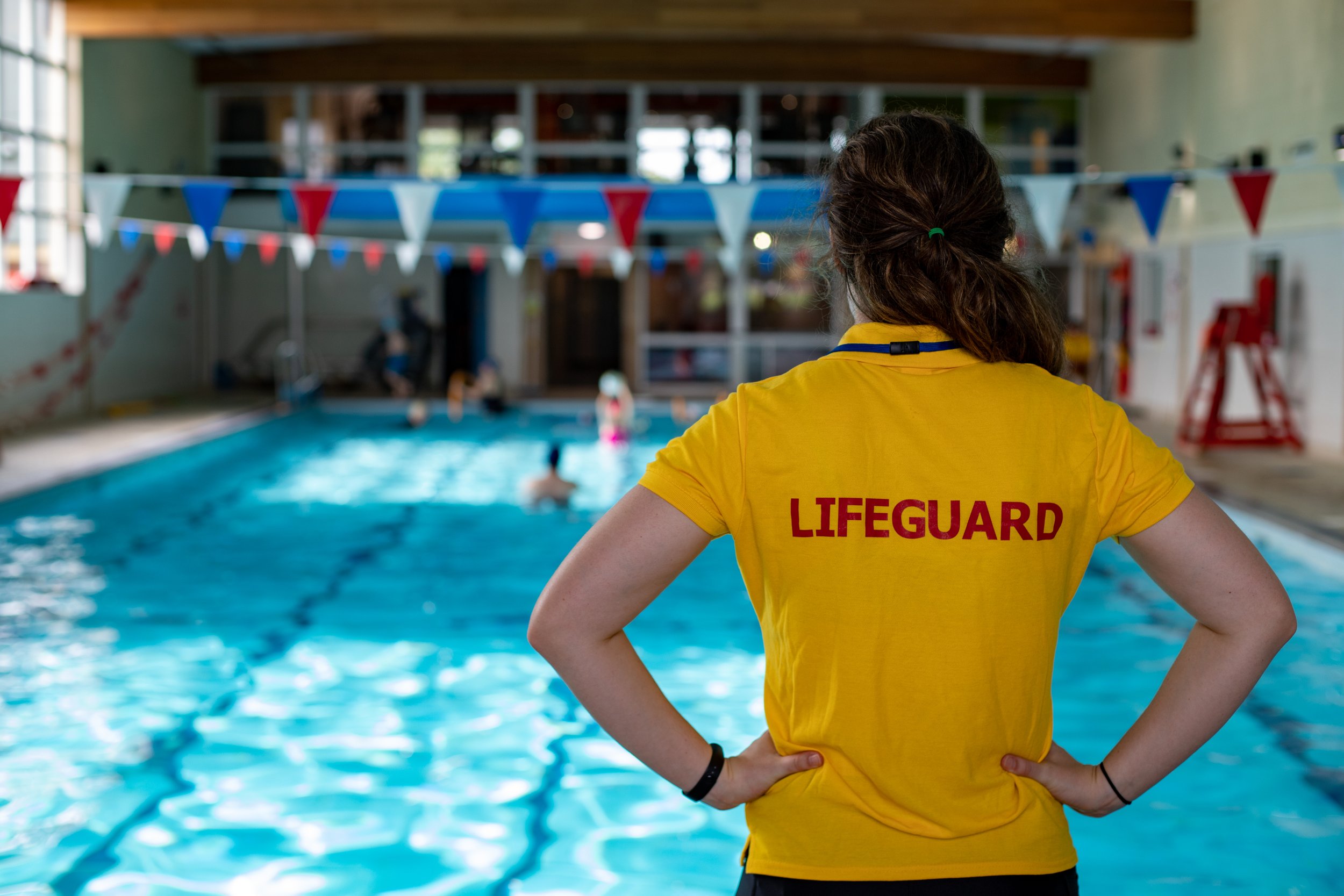

Lifeguard courses are professional training programs designed to teach you essential life-saving skills needed to supervise aquatic environments, perform rescues, and respond to emergencies. Whether you’re seeking a seasonal job, a full-time career, or just want to gain critical safety skills, enrolling in a lifeguard course is your first step toward becoming a certified lifeguard.
What Are Lifeguard Courses?
A lifeguard course is a structured program that combines both classroom learning and hands-on practical training to teach you how to protect others in aquatic environments. These courses cover essential topics such as water rescue techniques, CPR, AED (Automated External Defibrillator) use, first aid, and emergency response.
The goal of a lifeguard course is to prepare you to handle water-related emergencies effectively, ensuring you can quickly assess situations, perform rescues, and provide immediate medical care when necessary.
Why Take Lifeguard Courses?
Lifeguard courses are an excellent opportunity for anyone looking to enter the world of aquatic safety. Here are some of the key benefits of taking a lifeguard course:
1. Learn Life-Saving Skills
You will learn vital skills that can help you save lives, including how to rescue swimmers in distress, perform CPR, and use an AED.
2. Build Confidence
Completing a lifeguard course boosts your confidence in handling high-pressure situations, ensuring you’re prepared for any emergency.
3. Enhance Job Opportunities
Lifeguard courses lead to certification, which is required for most lifeguard positions at pools, beaches, and water parks. With the right certification, you’ll be eligible for a wide range of job opportunities in aquatic environments.
4. Improve Physical Fitness
The training process includes swimming and other fitness exercises, which help improve your overall physical health and stamina.
5. Career Advancement
With experience, lifeguards can progress into higher positions such as head lifeguard, aquatic supervisor, or even instructor.
What You Will Learn in a Lifeguard Course
A comprehensive lifeguard course covers both theory and practical skills. Here’s what you can expect to learn:
1. Water Rescue Techniques
You will learn how to rescue both active and passive victims, including using rescue equipment such as tubes, backboards, and ropes. The course also teaches the proper methods to safely remove a person from the water.
2. CPR, AED, and First Aid
CPR (Cardiopulmonary Resuscitation), AED (Automated External Defibrillator), and first aid are crucial aspects of lifeguard training. You will learn how to perform CPR on adults, children, and infants, how to use an AED in cardiac emergencies, and how to provide first aid for a variety of injuries.
3. Surveillance and Prevention
You will develop scanning techniques to monitor swimmers and identify potential hazards in and around the water. Prevention is a key part of lifeguarding, and you will learn how to recognize risky situations and prevent accidents before they occur.
4. Emergency Action Plans
A lifeguard course will teach you how to follow established emergency procedures. You will learn how to assess emergencies, call for help, and act quickly and calmly in high-pressure situations.
5. Spinal Injury Management
Lifeguards are often the first responders to victims who may have sustained spinal injuries. You’ll be taught specific techniques for managing spinal injuries in the water to minimize harm to the victim.
Requirements for Lifeguard Courses
Before enrolling in a lifeguard course, you typically need to meet certain physical and age-related prerequisites:
- Minimum age: Typically 15 years or older
- Swimming ability: You must be able to swim 200–300 meters continuously and demonstrate basic swimming skills.
- Treading water: You must be able to tread water for 1–2 minutes without assistance.
- Object retrieval: You must be able to retrieve a 10-pound object from deep water.
These requirements ensure that you are physically prepared to handle the tasks involved in lifeguarding, such as performing rescues and managing emergencies.
Duration and Structure of Lifeguard Courses
Lifeguard courses generally take 20 to 30 hours to complete and may be structured as:
- Weekend intensive programs
- Weekly classes
- Hybrid formats (combining online and in-person training)
The course structure includes classroom lessons, water practice, rescue drills, and exams (both written and practical).
Certification After Completing a Lifeguard Course
Once you successfully complete a lifeguard course, you will receive a lifeguard certification, which is typically valid for two years. Certification includes:
- CPR, AED, and First Aid
- Water rescue skills
- Emergency response techniques
To maintain certification, lifeguards must complete a recertification course before their certification expires.
Benefits of Lifeguard Courses
There are several advantages to taking a lifeguard course:
- Develop life-saving skills that can make a real difference in emergencies
- Gain employment opportunities in a wide range of aquatic settings
- Enhance physical fitness and mental readiness
- Progress into leadership roles, such as head lifeguard or aquatic supervisor
- Earn professional certification that is recognized globally
Career Opportunities After Lifeguard Courses
After completing a lifeguard course and earning your certification, you can work in:
- Swimming pools (public, private, or hotel pools)
- Beaches and waterfronts (ocean, lakes, rivers)
- Water parks and resorts
- Recreation centers and fitness clubs
In addition to standard lifeguarding positions, you may also advance into supervisory roles or even aquatic instructor positions with more experience and additional training.
Contact for Lifeguard Courses
If you’re ready to enroll in a lifeguard course or need more information, contact:
Phone: 786-284-8734
Address: 80 SW 8th Street, 20th Floor, Miami, FL 33130
They can help you find course schedules, requirements, and certification options near you.
Final Thoughts
Lifeguard courses are more than just training they are essential skill-building programs that prepare you to respond to emergencies, protect others, and build a meaningful career. Whether you want to work at a local pool, beach, or water park, completing a lifeguard course is the first step to gaining certification and ensuring safety in aquatic environments.
