


Neuropathic pain is a chronic condition caused by damage or dysfunction in the nerves. Unlike typical pain that results from injury or inflammation, neuropathic pain originates in the nervous system itself. People suffering from this condition often describe the sensation as burning, tingling, stabbing, or electric shock–like pain. Proper neuropathic pain management is essential to improve quality of life and restore daily functioning.
With advancements in medical science, several treatment options are available today, including medications such as Pregabalin, lifestyle changes, and supportive therapies. Drugs like Nervigesic 150mg and Nervigesic 300mg are widely prescribed for relieving nerve-related pain and associated symptoms.
In this article, we will explore neuropathic pain, its causes, symptoms, and the most effective management strategies.
What Is Neuropathic Pain?
Neuropathic pain occurs when nerves that transmit signals between the brain, spinal cord, and body become damaged or irritated. Instead of sending normal signals, the nerves send incorrect pain signals to the brain.
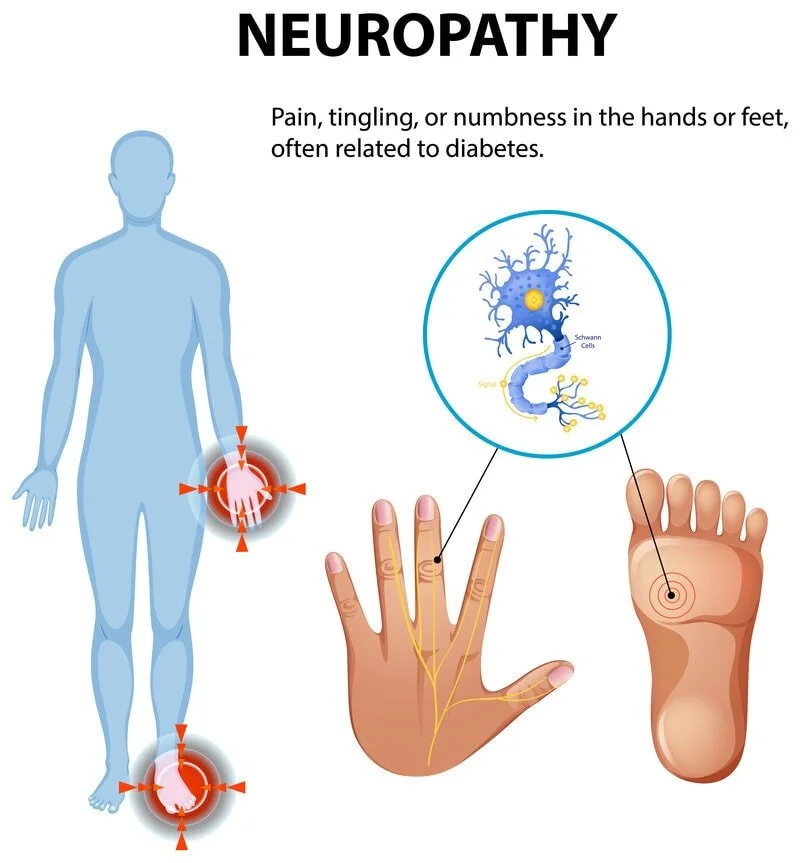
This type of pain can become chronic and may persist even after the original cause of nerve damage has healed.
Common Causes of Neuropathic Pain
Several medical conditions and injuries can lead to neuropathic pain. Some of the most common causes include:
- Diabetic neuropathy
- Shingles (postherpetic neuralgia)
- Spinal cord injury
- Multiple sclerosis
- Cancer or chemotherapy treatments
- Nerve compression or trauma
- Alcohol-related nerve damage
These conditions disrupt the normal functioning of nerves, leading to persistent discomfort and sensitivity.
Symptoms of Neuropathic Pain
Neuropathic pain symptoms vary from person to person but typically include:
- Burning or shooting pain
- Tingling or “pins and needles” sensation
- Electric shock–like feelings
- Numbness or reduced sensitivity
- Extreme sensitivity to touch or temperature
- Muscle weakness
These symptoms may worsen at night and interfere with sleep and daily activities.
Why Neuropathic Pain Requires Special Treatment
Traditional painkillers such as paracetamol or ibuprofen often do not work well for nerve pain. This is because neuropathic pain originates from damaged nerve signals rather than inflammation.
Therefore, doctors prescribe medications that specifically target nerve activity, such as Pregabalin, which helps regulate abnormal nerve signals and reduce pain sensations.
Role of Pregabalin in Neuropathic Pain Management
Pregabalin is an anticonvulsant medication widely used to treat nerve pain. It works by calming overactive nerve signals in the brain and spinal cord.
Benefits of Pregabalin include:
- Reduces nerve pain intensity
- Improves sleep quality
- Decreases anxiety related to chronic pain
- Helps manage fibromyalgia and certain seizure disorders
Pregabalin is available in different strengths to suit individual patient needs.
Nervigesic 150mg for Moderate Nerve Pain
Nervigesic 150mg contains Pregabalin as its active ingredient and is commonly prescribed for moderate neuropathic pain.
Doctors often recommend Nervigesic 150mg for conditions such as:
- Diabetic nerve pain
- Postherpetic neuralgia
- Fibromyalgia
- Peripheral neuropathy
This dosage helps control nerve signals responsible for pain while maintaining manageable side effects. Many patients notice improvements in pain levels, sleep patterns, and overall comfort.
Nervigesic 300mg for Severe Neuropathic Pain
For patients experiencing severe or persistent nerve pain, doctors may prescribe Nervigesic 300mg.
This higher strength provides stronger nerve stabilization and is typically used when lower doses are insufficient. Nervigesic 300mg may help reduce intense nerve pain associated with:
- Advanced diabetic neuropathy
- Severe fibromyalgia
- Spinal cord injuries
- Chronic nerve damage disorders
However, dosage should always be determined by a healthcare professional to ensure safety and effectiveness.
Lifestyle Strategies for Managing Neuropathic Pain
Medication is an important part of treatment, but lifestyle changes also play a major role in neuropathic pain management.
1. Maintain Healthy Blood Sugar Levels
For individuals with diabetes, controlling blood sugar can prevent further nerve damage.
2. Regular Exercise
Low-impact activities such as walking, swimming, or yoga help improve blood circulation and nerve health.
3. Eat a Nutrient-Rich Diet
Foods rich in vitamin B, omega-3 fatty acids, and antioxidants support nerve repair.
4. Improve Sleep Habits
Chronic pain often disrupts sleep. Establishing a consistent sleep schedule can help reduce discomfort.
5. Reduce Stress
Stress can intensify nerve pain. Meditation, breathing exercises, and relaxation techniques can help manage symptoms.
Additional Therapies for Neuropathic Pain
In addition to medications like Pregabalin, Nervigesic 150mg, and Nervigesic 300mg, doctors may recommend complementary therapies such as:
- Physical therapy
- Cognitive behavioral therapy (CBT)
- Acupuncture
- Transcutaneous electrical nerve stimulation (TENS)
- Massage therapy
These treatments can enhance the effectiveness of medication and provide long-term relief.
Safety Tips When Using Pregabalin
While Pregabalin medications like Nervigesic 150mg and Nervigesic 300mg are effective, they should be used responsibly.
Important precautions include:
- Take the medication exactly as prescribed
- Avoid alcohol while taking Pregabalin
- Do not suddenly stop the medication without medical advice
- Inform your doctor about other medications you are using
Common side effects may include dizziness, drowsiness, dry mouth, or mild swelling.
When to See a Doctor
If nerve pain persists for more than a few weeks or interferes with daily life, it is important to seek medical help. Early treatment can prevent further nerve damage and improve treatment outcomes.
A healthcare provider can diagnose the underlying cause and recommend the most effective neuropathic pain management plan.
Conclusion
Neuropathic pain can be challenging, but effective treatment options are available. Proper neuropathic pain management often involves a combination of medications, lifestyle changes, and supportive therapies.
Medications containing Pregabalin, such as Nervigesic 150mg and Nervigesic 300mg, play a crucial role in controlling nerve pain and improving patients’ quality of life. When used under medical supervision, these treatments can significantly reduce discomfort and help individuals regain normal daily activities.
If you are struggling with persistent nerve pain, consult a healthcare professional to determine the most suitable treatment approach and begin your journey toward relief.
